
Activist Mahmoud Khalil faces deportation to Algeria, US official says
 4 Min Read
Columbia University activist Mahmoud Khalil is likely to be deported to Algeria, US officials say, as the Trump administration targets pro-Palestinian figures.
-
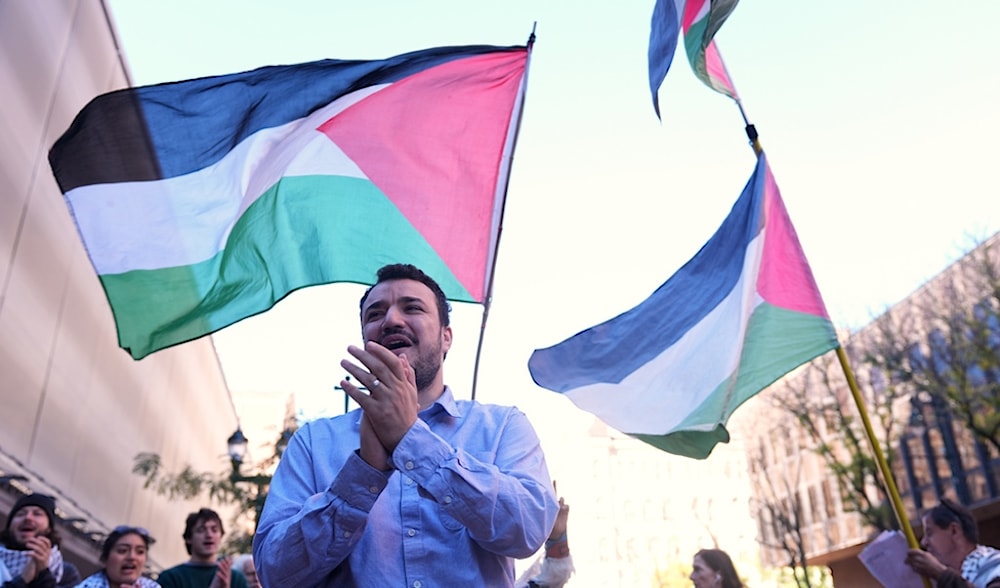
Palestinian activist Mahmoud Khalil meets with supporters outside Federal Court on Tuesday, Oct. 21, 2025, in Philadelphia (AP)
Mahmoud Khalil, the prominent pro-Palestinian student activist and former leader of Columbia University Apartheid Divest (CUAD), is likely to be deported to Algeria, a US official confirmed on Thursday. Khalil, a permanent US resident born in Syria to a Palestinian family, holds Algerian citizenship but is not a US citizen.
The announcement follows a recent appeals court ruling in favor of the Trump administration, which has intensified its crackdown on campus-based activism in support of Palestine.
Tricia McLaughlin, Assistant Secretary for Public Affairs at the Department of Homeland Security (DHS), told NewsNation that deportation proceedings are moving forward.
“It looks like he’ll go to Algeria. That’s what the thought is right now,” McLaughlin said, adding, “It is a privilege, not a right, to be in this country to live or to study. If you are pushing propaganda that relishes the killings of Americans or promotes terrorists, the door’s that way.”
Newly elected New York City Mayor Zohran Mamdani defended Khalil at a Thursday press conference, stressing, “Mahmoud Khalil is a New Yorker. He should remain in New York City. We see this attack on him as part of a larger attack on the freedom of speech, especially when it’s used to stand up for Palestinian human rights.”
Mamdani’s chief counsel, Ramzi Kassem, is also serving as Khalil’s attorney.
Khalil’s arrest
Khalil was first detained on March 8 by immigration agents in the lobby of his residence in Manhattan, just weeks after US President Donald Trump publicly labeled the campus protests "antisemitic" and vowed to deport any foreign nationals involved.
His arrest triggered widespread condemnation, with students staging protests during graduation ceremonies and demanding his release. Although he was later freed in June after Judge Michael Farbiarz ruled that his detention appeared to be a form of political punishment, Thursday's decision now casts uncertainty over his legal status and safety.
Civil rights advocates, including the American Civil Liberties Union, warn that the case sets a dangerous precedent, criminalizing political dissent and enabling immigration laws to silence pro-Palestinian voices.
Legal updates
Last week, a US federal appeals court ruled against Khalil in a case that could pave the way for his re-arrest and deportation, underscoring the Trump administration's ongoing crackdown on pro-Palestine student activists.
In a 2-1 decision, the 3rd US Circuit Court of Appeals determined that the lower district court lacked jurisdiction to order Khalil's release from immigration custody, effectively nullifying an earlier legal victory for the activist.
Judges Thomas Hardiman and Stephanos Bibas, both appointed by Republican presidents, wrote that Khalil's constitutional claims should be raised through an appeal of a final deportation order, not through a separate lawsuit.
However, Judge Arianna Freeman, appointed by former President Joe Biden, issued a strong dissent, arguing that the ruling effectively denies Khalil access to judicial review of his First Amendment rights. Freeman emphasized that Khalil had demonstrated serious harm during his detention, asserting that his claims of political retaliation should not be brushed aside.
In a statement following the ruling, Khalil described the decision as "deeply disappointing" but reaffirmed his commitment to Palestine. "The door may have been opened for potential re-detainment down the line," he said, "but it has not closed our commitment to Palestine and to justice."


