
Andy Burnham becomes UK prime minister, picks cabinet
 4 Min Read
Andy Burnham has been sworn in as UK prime minister, unveiling a new cabinet that rewards allies and purges senior Starmer loyalists.
-
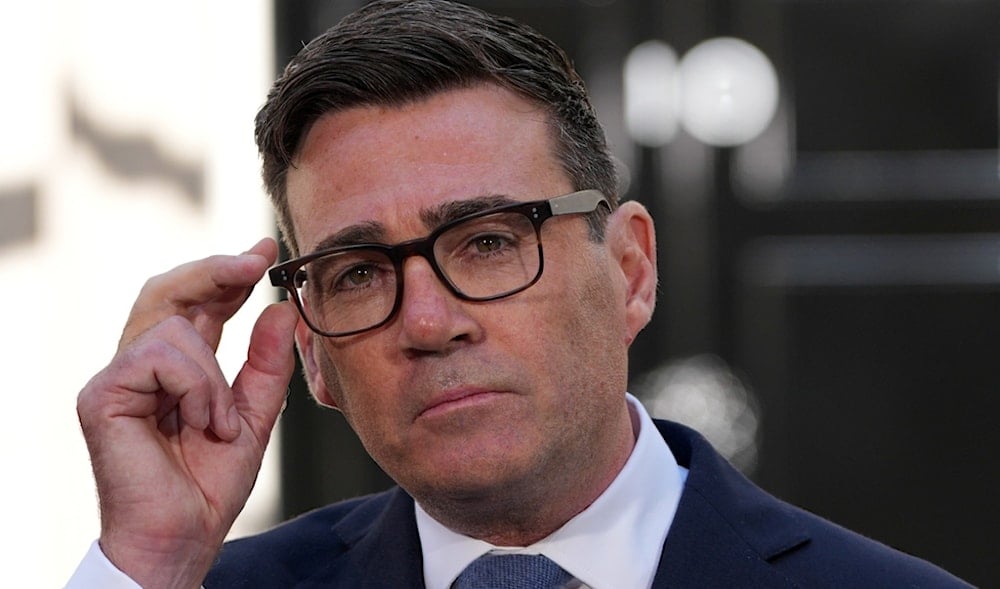
Britain's new Prime Minister Andy Burnham speaks to staff and media at 10 Downing Street in London, Monday, July 20, 2026 (AP)
Labour Party leader Andy Burnham has become the new British prime minister, Buckingham Palace confirmed Monday, taking over from Keir Starmer in the seventh handover in a decade marked by political instability in the United Kingdom, The Guardian reported.
Burnham arrived at Buckingham Palace shortly after Starmer formally resigned. During an audience with King Charles III, Burnham was invited to form a new government, which he accepted.
Delivering his first speech as prime minister outside 10 Downing Street, Burnham said he would unveil a new 10-year plan for the country in the coming months. He described the moment as "a circuit breaker for Britain" and promised sweeping change.
🚨 IN FULL: Andy Burnham's first address to the nation as Prime Minister pic.twitter.com/VgRMEt5hOU
— Politics UK (@PolitlcsUK) July 20, 2026
Burnham said cost of living measures would be announced starting the following day, alongside pledges to expand council housing and uphold existing defense commitments.
He also said Ukrainian President Volodymyr Zelensky and US President Donald Trump would be among his first calls after taking office, adding that he intended to reassure the Ukrainian president that UK support for Ukraine would not waver under his leadership.
Earlier Monday, Starmer delivered his farewell address outside Downing Street, telling the public, "My work is done." He thanked his staff and his wife Victoria for their support and wished Burnham success. A palace statement confirmed Starmer had tendered his resignation as prime minister and first lord of the treasury during his audience with the King, which was "graciously" accepted.
Burnham unveils first cabinet, purges Starmer loyalists
Burnham has since named his first cabinet, rewarding figures who backed his rise to the Labour leadership while carrying out a sweeping removal of ministers aligned with Starmer.
Although Burnham had pledged to draw his top team from across the party's factions to project a more inclusive administration, the reshuffle disproportionately hit those seen as being on Labour's right or close to the outgoing prime minister.
Among the key appointments, John Healey was named chancellor in a surprise move. Healey had resigned as defense secretary over what he regarded as insufficient funding for defense investment, and brings decades of experience to the Treasury after serving as a minister under Tony Blair.
Shabana Mahmood retains her post as home secretary, a role she took on under Starmer overseeing contentious immigration policy. Ed Miliband, previously seen as a contender for chancellor, was instead named foreign secretary, with concerns reportedly raised that his climate policy positions could unsettle financial markets.
Yvette Cooper moves from the Foreign Office to health secretary, a post Burnham has tied to his broader goal of reforming adult social care. Pat McFadden stays on as work and pensions secretary and will lead efforts to reform the social security system. Louise Haigh, who ran Burnham's leadership campaign, becomes chancellor of the duchy of Lancaster and first secretary of state, effectively serving as his deputy.
Several senior Starmer-era figures lost their posts entirely. Rachel Reeves, the UK's first female chancellor, was removed after facing criticism over the winter fuel payment cut and a rise in employer national insurance contributions. David Lammy, who had risen to deputy prime minister and justice secretary, was also let go, as was Darren Jones, former chief secretary to the prime minister, who confirmed his removal in a social media post.
Other departures include former housing secretary Steve Reed, former business secretary Peter Kyle, and former attorney general Richard Hermer, whose tenure had drawn criticism from the right over his role in the Chagos Islands transfer and past legal work. Liz Kendall, Jo Stevens, and Hilary Benn also exited the cabinet.


