
Baghaei: Pressure, diktats will not work with Iran
 2 Min Read
Iran's Foreign Ministry spokesperson says US pressure and diktats have failed, warns Washington must answer for violating the memorandum of understanding.
-
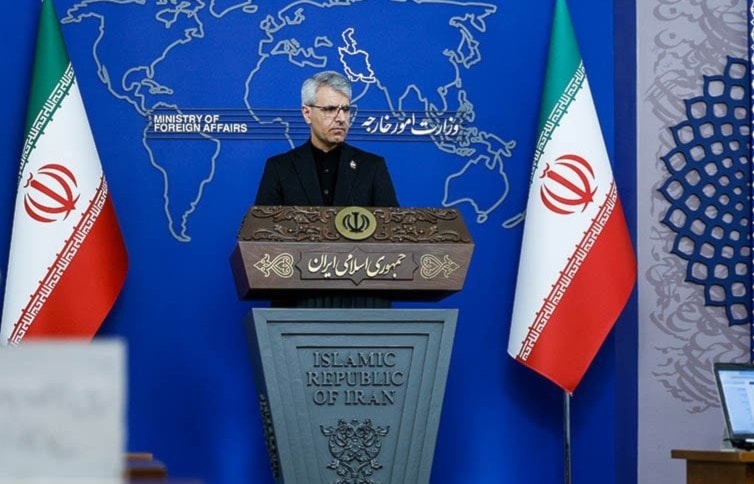
Iranian Foreign Ministry spokesperson Esmail Baghaei during a weekly press conference, in Tehran, Iran, June 1, 2026. (Fars News Agency)
Iran will not let any attack go unanswered, Foreign Ministry Spokesperson Esmaeil Baghaei affirmed Tuesday, adding that pressure and diktats have failed to move Tehran and that recent developments only confirm it.
Speaking at a press conference, Baghaei said Iran has earned the respect of all sides by standing up to US greed and arrogance. Recent visits by foreign delegations to Tehran, he said, are part of a broader push to ease tensions across the region, with Pakistan and other countries continuing mediation efforts even as Washington's conduct betrays its bad faith.
He placed responsibility for the region's descent into war and instability squarely on the United States, pointing to the false narratives pushed by the US administration and the strategic miscalculations that followed.
Iran's response to the US strike on Larak Island was proportionate, Baghaei stressed, and Washington must answer for breaching the memorandum of understanding.
On the nuclear file, Baghaei pushed back on the idea of a fresh standoff with the International Atomic Energy Agency, though he said the agency's leadership has increasingly bent to the politically driven agendas of certain member states.
Washington launched an attack on Iran's Larak Island in Hormozgan province on Sunday evening, killing and wounding several Iranian soldiers and civilians. The IRGC Aerospace Force retaliated with a combined ballistic missile and drone strike on two US-operated airbases in Jordan, King Hussein and al-Azraq, targeting technical, maintenance, and fighter jet infrastructure and causing heavy damage.
The IRGC warned that further "aggression and crime" from Washington would draw an even harsher response.
US forces reportedly deployed two Patriot batteries from Germany to defend positions in Jordan, firing more than 80 interceptors against the incoming barrage, a figure some estimates put at over 10% of the entire US PAC-3 stockpile in that single engagement, according to Military Watch Magazine.


