
Bruno Rodríguez hails support for Cuba from residents abroad
 2 Min Read
The Cuban foreign minister expressed gratitude for the solidarity shown by Cubans living abroad, especially in the United States, despite tensions between the two countries.
-
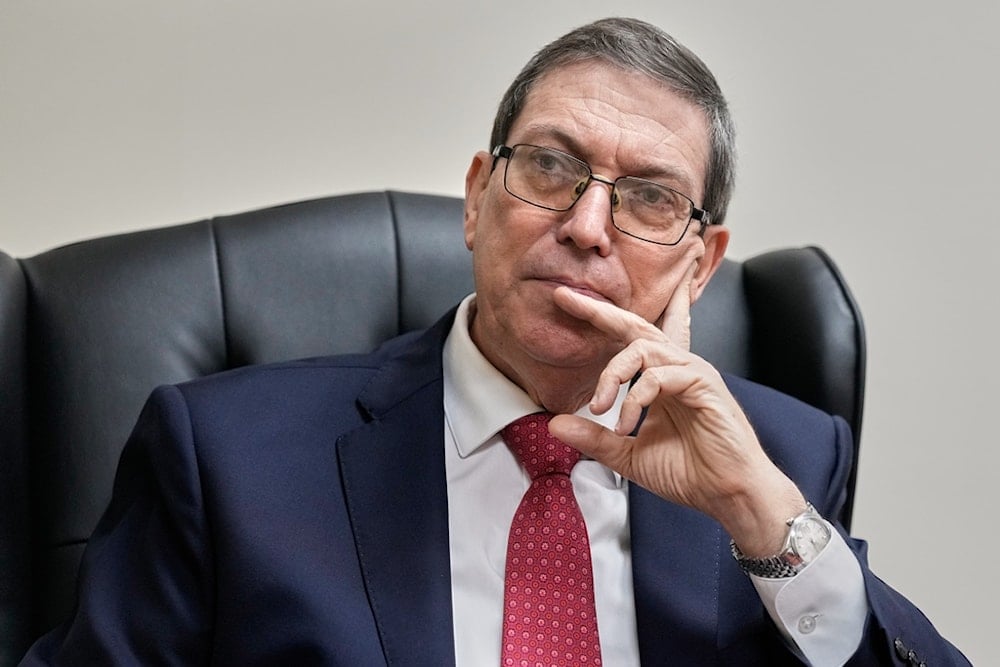
Cuba's Foreign Minister Bruno Rodriguez Parrilla speaks during an interview with The Associated Press at the Permanent Mission of Cuba to the United Nations, in New York on September 30, 2025. (AP)
Cuba’s Minister of Foreign Affairs, Bruno Rodríguez, highlighted in a post on the social media platform X the expressions of support and commitment to the island from Cubans residing in various parts of the world, particularly in the United States.
Rodríguez noted that, at this moment of “difficulties and dangers,” Cuban emigrants have expressed not only words of solidarity but also significant material assistance.
He stressed that Cubans in the United States “have had to act with caution and discretion due to the climate of harassment and threat they experience there,” and affirmed that they are demonstrating that “even with political differences when they exist, they stand with the Homeland in times of danger."
En este momento de dificultades y peligros, hemos encontrado entre las muestras de apoyo y compromiso con #Cuba las de cubanos residentes en varias partes del mundo, tanto con respaldo verbal y declarativo, como expresiones de ayuda material, alguna de ellas significativa.
— Bruno Rodríguez P (@BrunoRguezP) February 20, 2026
Esto… pic.twitter.com/BxKjzZV2Uz
Rejection of informational complicity
For his part, Deputy Foreign Minister Carlos Fernández de Cossío also spoke out on social media to denounce what he described as “great complicity” by those who portray Cuba’s current situation “on the basis of fuel shortages and power outages without mentioning the responsibility of the powerful government that causes that scenario as official and public policy.”
Previously, the deputy foreign minister himself had stated that “the US tactic involves using the population as a hostage to force the country to generate political changes that are of interest and convenience to the US. It is collective punishment, a condemnable way of acting for more than 100 years.”
On January 29, President Donald Trump signed an executive order declaring a supposed “national emergency” and paving the way to impose tariffs on goods from third countries that supply crude oil to Cuba.
Cuban foreign policy has maintained that any understanding with Washington is only possible under conditions of sovereign equality and mutual respect, rejecting pressure or external impositions.


