
Canada cancels US bridge celebration over Trump's tariff threats
 4 Min Read
Ottawa cancels a joint bridge opening celebration with the US after Trump announces 50% tariffs on a wide range of Canadian imports.
-
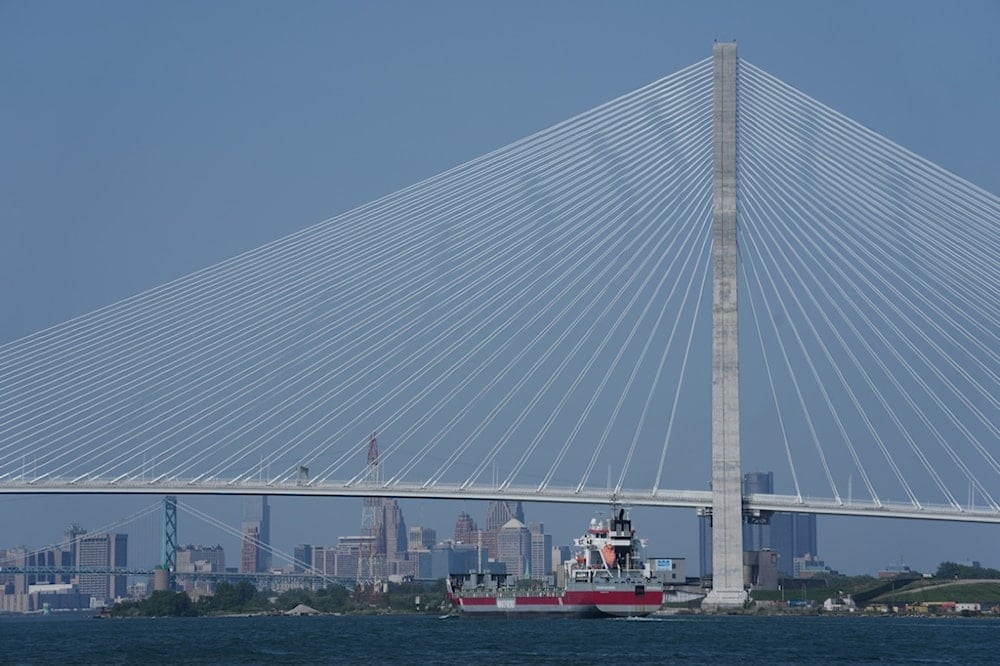
The Gordie Howe International Bridge is seen from River Rouge, Mich., connecting Detroit with Windsor, Ontario, on July 14, 2026. (AP Photo/Paul Sancya)
Canada has canceled a planned joint celebration with the US to mark the opening of the Gordie Howe International Bridge linking Windsor, Ontario, with Detroit, Michigan, citing trade threats from President Donald Trump.
"In light of trade action threatened by the United States earlier this week, it would be inappropriate to proceed with a celebratory event between the two countries," Jenna Ghassabeh, a spokesperson for Canadian Infrastructure Minister Gregor Robertson, said in an emailed statement.
The bridge is scheduled to open to traffic on July 27. A ribbon-cutting ceremony had been planned for July 24, with US and Canadian officials expected to attend, according to Windsor Mayor Drew Dilkens, who spoke to local media.
Canada remains "committed" to opening the bridge on July 27, but will instead mark the occasion by celebrating "among Canadians" on July 24, Ghassabeh said.
Trump announces new tariffs on Canadian imports
The decision comes after Trump announced 50% tariffs on a wide range of imports from Canada on Monday, citing discriminatory treatment of American-made cars, alcohol and dairy products.
The $4.7 billion bridge, named after legendary Detroit Red Wings hockey player Gordie Howe, was originally scheduled to open in June.
Trump had threatened in February to block the project, citing Canada's refusal to stock certain US alcoholic beverages, tariffs on dairy products and Ottawa's trade talks with China.
The bridge opening was ultimately allowed to proceed after the US and Canada reached an agreement on tolls earlier this month.
The Gordie Howe International Bridge is expected to ease truck traffic on the Ambassador Bridge connecting Windsor and Detroit, which serves as the largest freight crossing on the US-Canada border.
The Ambassador Bridge handled $126 billion in trade transported by commercial trucks in 2023.
The cancellation of the joint celebration highlights the growing strain in US-Canada relations as the two countries navigate renewed trade tensions under the Trump administration.
Canada seeks to reduce US reliance with major oil pipeline plans
Earlier in July, Canada advanced plans for a more than 1,000-kilometer oil pipeline to the British Columbia coast, aiming to reduce its reliance on the US and expand access to Asian energy markets.
The project, which could carry up to one million barrels of crude per day, is expected to begin construction by September 2027 and largely follow the existing Trans Mountain corridor.
Prime Minister Mark Carney called the project a "once in a lifetime opportunity," while the broader strategy includes expanding Canada's LNG capacity, upgrading the Port of Vancouver and attracting more than C$200 billion in new investment.
The push comes as Ottawa seeks to diversify trade amid escalating tensions with Washington, with Carney pledging to double Canada's non-US trade as President Donald Trump continues to threaten tariffs on Canadian goods.
The plans have also fueled debate over Canada's energy and environmental policies, with environmental groups and First Nations communities welcoming the preservation of an existing tanker ban along British Columbia's northern coast, while energy industry groups argue that regulatory barriers continue to deter investment.
Trump's trade measures and repeated calls for Canada to become the "51st state" have also contributed to rising patriotic sentiment, although polls indicate that Canadians remain divided over the country's internal direction.


