
Canada's Carney to visit China in first PM trip since 2017
 2 Min Read
Canadian Prime Minister Mark Carney’s upcoming visit to China signals a cautious thaw in bilateral relations after years of diplomatic, trade, and political tensions.
-
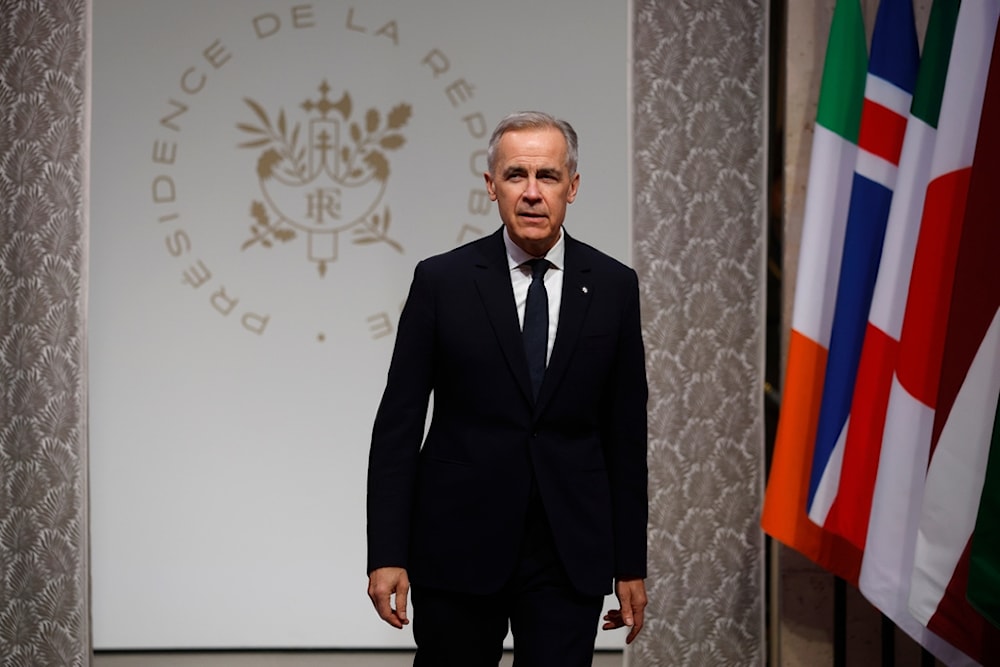
Canadian Prime Minister Mark Carney arrives for a meeting of the Coalition of the Willing at the Elysee Palace in Paris, France, Tuesday, Jan.6, 2026. (Yoan Valat, Pool photo via AP)
Canadian Prime Minister Mark Carney is set to travel to China from January 13 to 17, marking a significant diplomatic development after years of strained relations between Ottawa and Beijing.
The visit, announced Wednesday by Carney’s office, will be the first by a Canadian leader since 2017 and comes amid signs of a reset in bilateral ties. According to a spokeswoman for the prime minister, the trip is intended to “strengthen cooperation in the areas of trade, energy, agriculture and international security.”
Momentum for renewed engagement emerged in late October, when Carney met Chinese President Xi Jinping on the sidelines of the Asia-Pacific Economic Cooperation summit in South Korea. Following the talks, Xi extended an invitation for an official visit, which Carney later described as a “turning point” in the relationship.
Diplomatic deep freeze
Canada-China relations deteriorated sharply in 2018 after Canadian authorities detained a senior Chinese telecommunications executive at the request of the United States. Beijing responded by arresting two Canadian citizens on espionage allegations, triggering a prolonged diplomatic standoff. In the years since, both sides imposed retaliatory trade measures, with China targeting Canadian canola exports among other products.
Tensions were further compounded by accusations from Ottawa that Beijing interfered in recent Canadian elections, claims China has repeatedly rejected.
The last Canadian prime minister to visit China was Justin Trudeau, who travelled to Beijing in December 2017. Carney’s upcoming trip signals an effort to reopen high-level channels of communication, even as longstanding political and strategic disputes remain unresolved.
Read more: How Trump tariffs are reshaping Canada China trade strategy


