
DHS intensifies efforts to unmask data of Americans critical of ICE
 3 Min Read
The Department of Homeland Security has issued administrative subpoenas to tech companies seeking data on social media accounts criticizing ICE.
-
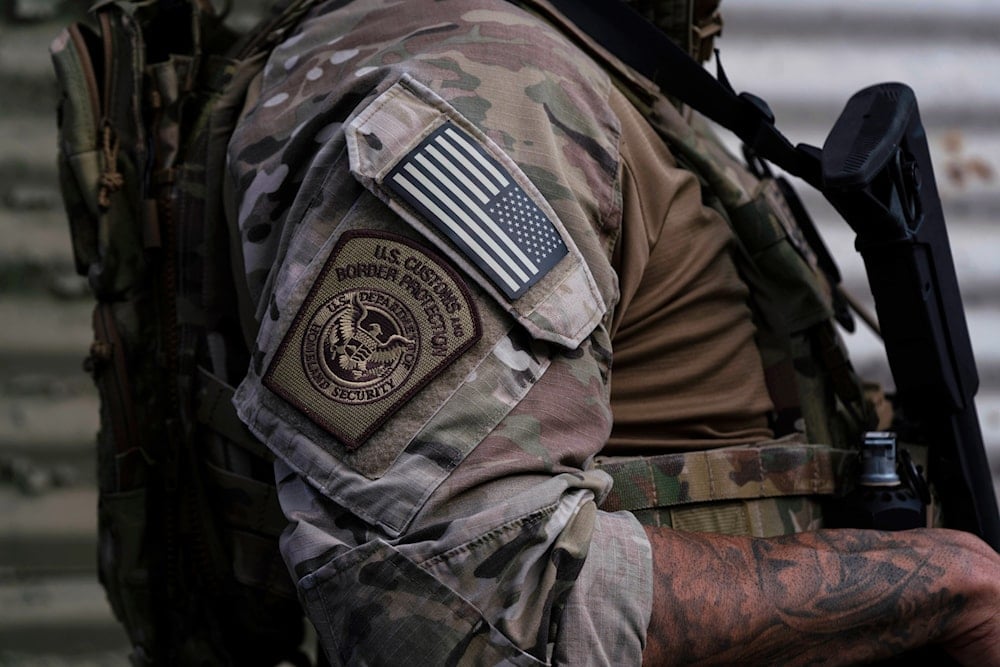
A US Customs and Border Protection agent is seen during a visit by US Secretary of Homeland Security Kristi Noem, Jan. 7, 2026, in Brownsville, Texas (AP)
The Department of Homeland Security (DHS) has intensified efforts to track Americans who criticize or oppose Immigration and Customs Enforcement (ICE) on social media, sending legal requests to major tech companies for the identifying information behind accounts that post about the agency, The New York Times reported.
In recent months, Google, Reddit, Discord, and Meta, which owns Facebook and Instagram, have received hundreds of administrative subpoenas, according to government officials and tech company employees familiar with the requests, cited by the NYT.
The sources, speaking on condition of anonymity, said the subpoenas sought names, email addresses, phone numbers, and other identifying data linked to accounts that do not carry real names but criticize ICE or share the locations of its agents.
Tech companies comply
Some companies, including Google, Meta, and Reddit, complied with portions of the requests while also reviewing each demand carefully. Certain platforms notified users whose information had been subpoenaed, giving them 10 to 14 days to challenge the requests in court.
A Google spokesperson said, “When we receive a subpoena, our review process is designed to protect user privacy while meeting our legal obligations. We inform users when their accounts have been subpoenaed, unless under legal order not to or in an exceptional circumstance. We review every legal demand and push back against those that are overbroad.”
DHS expands use of subpoenas amid criticism of ICE
The Trump administration previously took aggressive steps to limit public criticism of ICE, in part by identifying Americans who protested the agency. ICE agents reportedly told demonstrators in Minneapolis and Chicago that they were being recorded and tracked using facial recognition technology. Last month, White House border czar Tom Homan said on Fox News that he was pushing to “create a database” of people arrested for “interference, impeding and assault.”
Tech companies have long navigated a complicated relationship with the federal government over user data. Transparency reports show that US authorities, along with countries like India, have increasingly requested user information from social media platforms in recent years. Some companies have previously challenged such demands; in 2017, Twitter sued the federal government to block an administrative subpoena targeting an account critical of the Trump administration, though the subpoena was later withdrawn.
Administrative subpoenas differ from arrest warrants because they do not require a judge’s approval. Historically, they were used sparingly, mostly to unmask social media accounts involved in serious crimes such as child trafficking. But last year, DHS ramped up the use of these subpoenas to identify individuals behind anonymous accounts.
In September, for example, the department sent Meta subpoenas targeting Instagram accounts that posted about ICE raids in California, according to the ACLU. The requests were legally challenged, and DHS ultimately withdrew the subpoenas before a court ruling.


