
Disease outbreaks deepen Gaza’s humanitarian catastrophe
 3 Min Read
Overcrowding, contaminated water, failing sanitation systems, and the destruction of health infrastructure fuel a growing public health crisis in Gaza.
-
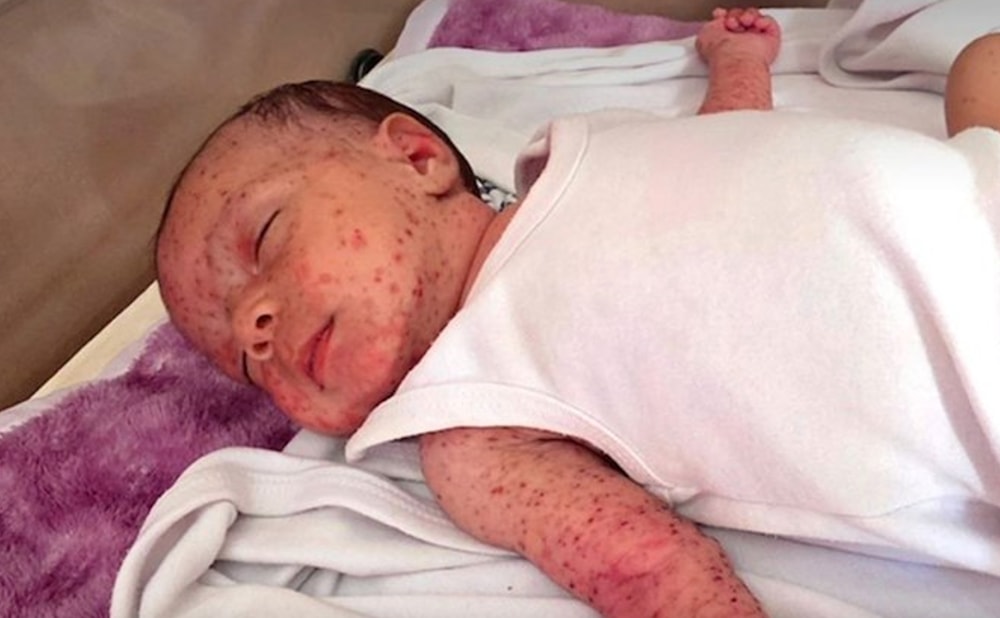
A child suffering from chickenpox rests as a widespread rash covers the face and arms (X, @Gaza_Herald)
An escalating wave of infectious diseases is sweeping through displacement camps across the Gaza Strip, with thousands of Palestinian children contracting chickenpox amid severe overcrowding, collapsing sanitation services, and limited access to medical care.
Nearly 9,300 chickenpox infections were documented during the past two weeks, according to the United Nations, with more than half of the cases recorded in Khan Younis, Reuters reported.
The city has become one of the principal destinations for forcibly displaced Palestinians, leaving families packed into shelters and makeshift encampments that lack adequate water, sanitation, and waste-disposal systems.
📷 #Photos | Displaced children in a Khan Younis displacement camp show symptoms suspected to be linked to chickenpox, highlighting the devastating toll of overcrowding, poor sanitation, and the collapse of Gaza's healthcare system. pic.twitter.com/LWMCzPh5ty
— Gaza Herald (@Gaza_Herald) July 20, 2026
Overcrowding fuels infections
The UN Office for the Coordination of Humanitarian Affairs warned that untreated sewage, accumulating rubbish, shortages of clean water, and densely populated living spaces were creating ideal conditions for disease transmission.
These conditions have transformed what is usually a manageable childhood illness into an increasingly serious public health threat, particularly for displaced children already weakened by hunger, trauma, and limited access to treatment.
Acute respiratory infections and skin conditions remain the most frequently documented illnesses across the Strip, the UN said.
Health authorities have also reported the continued spread of waterborne illnesses, particularly in and around Khan Younis, where damaged sewage networks and scarce clean water have exposed families to further health risks.
More than 18,000 new cases of chickenpox, external parasite infestations, and impetigo, a contagious bacterial skin infection, were recorded during the previous week.
Health system unable to cope
Gaza’s medical sector has been left largely incapable of responding to the expanding health emergency following years of systematic Israeli attacks on hospitals, clinics, ambulances, and other vital infrastructure.
Medical facilities that remain partially operational continue to face critical shortages of medicines, equipment, electricity, fuel, and trained personnel, severely limiting their ability to diagnose, isolate, and treat infectious diseases.
The health crisis comes as "Israel" continues to violate the ceasefire agreement that entered into effect on October 10, 2025.
Israeli attacks carried out since the agreement began have killed at least 1,127 Palestinians and wounded 3,643 others, according to figures released Thursday by Gaza’s Health Ministry.
Since the Israeli genocide began on October 7, 2023, at least 73,250 Palestinians have been killed and 173,751 wounded.
The Ministry estimates that approximately 90% of Gaza’s civilian infrastructure has been damaged or completely destroyed.
Read more: 'They lied to you': Global campaign highlights Gaza’s ongoing genocide


