
Eight states reject 'Israel's' E1 settlement plan
 4 Min Read
Türkiye and seven other states condemn the E1 settlement project, warning that "Israel's" expansion in the occupied West Bank threatens Palestinian statehood.
-
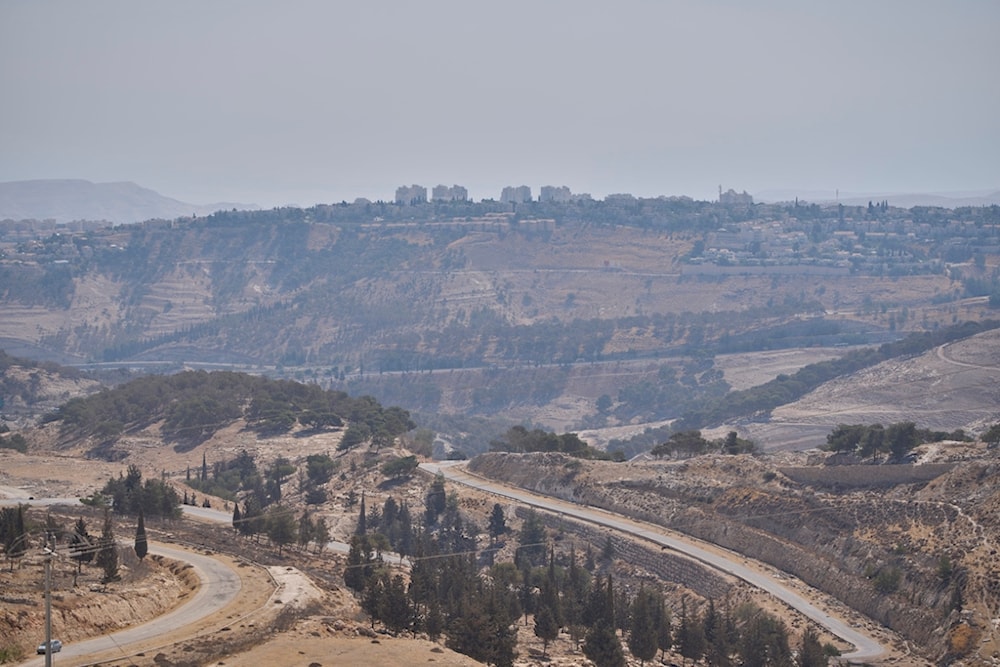
View of an area in the occupied West Bank near where the Israeli occupation says housing units will be built as part of the E1 settlement project, Thursday, Aug. 21, 2025. (AP Photo/Ohad Zwigenberg)
Türkiye, Egypt, Indonesia, Jordan, Pakistan, Qatar, Saudi Arabia and the UAE have jointly rejected the E1 settlement project in the occupied West Bank, warning that its implementation would constitute a dangerous escalation in settlement expansion and annexation.
In a joint statement issued Friday, the eight countries warned that the project threatens the possibility of establishing an independent Palestinian state and called for immediate measures to stop its implementation.
The eight countries categorically rejected the E1 settlement plan, warning that the project would contribute to the expansion and annexation of occupied Palestinian territory.
The statement described the project as "a direct challenge to international efforts aimed at achieving peace and the mechanisms envisaged to implement it, particularly through the Peace Council."
The countries called for "immediate action to halt the plan, cancel all measures taken within its framework, and stop all settlement activities and other measures aimed at changing the geographic and demographic character of the occupied Palestinian land."
Read more: UK summons Israeli diplomat over new E1 settlement tender
States warn of expansion and annexation
The eight states also called on the UN Security Council and other relevant international actors to act against the settlement project.
They urged them to "fulfill their responsibilities under international law, and take urgent and effective measures to halt illegal settlement expansion."
The statement further condemned violations and acts of violence committed by settlers, with the support of the occupation, against the Palestinian people and their property.
Such acts, the countries said, constitute violations of international law and relevant UN resolutions and pose a serious threat to regional and international peace and security.
The statement places the E1 project within the wider context of settlement expansion and territorial measures that threaten to further entrench the occupation across the occupied West Bank.
Read more: Fathi 'Abu Raad' Khazem martyred by IOF in Jenin amid West Bank raids
International calls to halt settlement activity
The joint position comes one day after France, Germany, Italy and the UK separately rejected a decision by the Israeli government to issue new tenders for implementation of the E1 settlement project.
The four European countries warned that the occupation project would undermine prospects for establishing a Palestinian state and contribute to the further international isolation of "Israel".
The two statements highlight growing international concern over the strategic implications of the project, particularly its location east of Occupied Al-Quds and its potential impact on Palestinian territorial continuity.
E1 threatens occupied West Bank continuity
The E1 settlement project, in its current form, involves the construction of approximately 3,401 settlement units in a strategically important area east of Occupied Al-Quds.
The plan would expand the Israeli settlement of Ma'ale Adumim, which was built on the land of the Palestinian villages of Abu Dis, al-Eizariya, Al-Issawiya, At-Tur and Aanata, and link it with Occupied Al-Quds.
Its implementation could effectively sever the northern and southern parts of the occupied West Bank, further undermining Palestinian territorial continuity and the possibility of establishing an independent and geographically contiguous Palestinian state.
The current push for the project follows renewed efforts by Israeli Finance Minister Bezalel Smotrich, who revived the plan in August 2025.
The strategic location of E1 has made it one of the most contentious settlement projects in the occupied West Bank, given its potential to reshape the geography surrounding Occupied Al-Quds and strengthen the occupation's territorial control.
Read more: West Bank annexation: decades of settlements, control, and expansion


