
Epstein was offered stake in Pentagon-linked property, FBI facilities
 3 Min Read
Newly released DOJ files show Jeffrey Epstein was offered a stake in a Pentagon-adjacent property and proposed investments in FBI facilities.
-
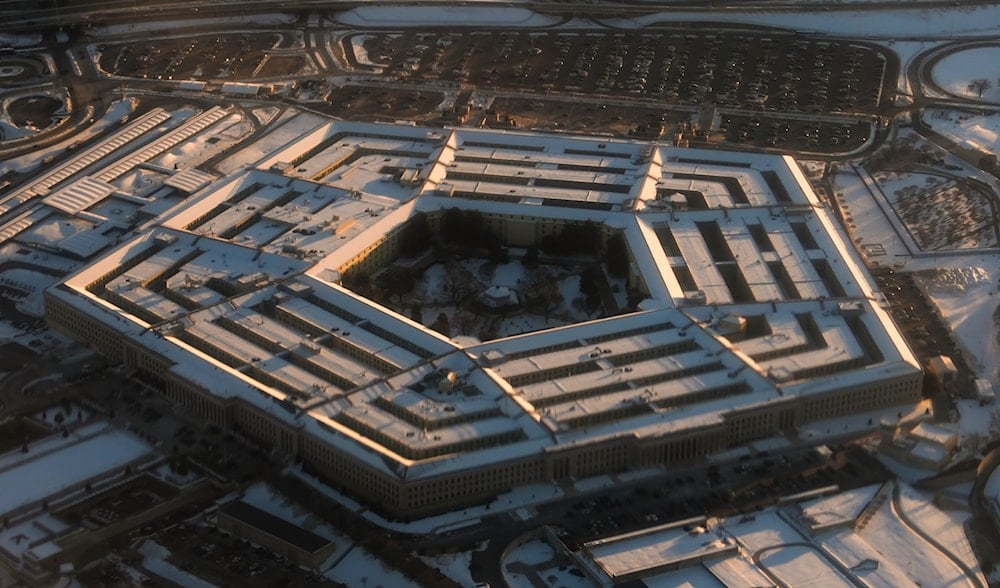
The Pentagon is seen from an airplane, Monday, Feb. 2, 2026, in Washington (AP)
In 2016, the late convicted sex offender Jeffrey Epstein was offered the opportunity to invest in a Pentagon-adjacent property, according to UK broadcaster ITV News, based on emails recently released by the US Department of Justice.
The 84,710-square-metre (101,312-square-yard) complex, located approximately 1.6 km (1 mile) from the Pentagon in Arlington, Virginia, was described in an investor presentation as a “mission-critical” site and “the only property in Arlington, Virginia other than the Pentagon itself with the ability to meet the space and infrastructure needs of the Department of Defense.” The proposed purchase price was reportedly $116 million, which would have made Epstein a co-owner and, effectively, a landlord to the US government.
There is no evidence that the transaction was ever completed. However, the notion of a convicted sex offender potentially acquiring a stake in property serving the Pentagon raises significant security concerns. The Pentagon-linked proposal appeared in three documents included in the released files: an email, an investor presentation, and a deal summary.
David Stern, a businessman who referred to himself as Epstein’s “soldier”, forwarded the Pentagon-area offer. Stern, who also served as a close aide to Andrew Mountbatten-Windsor, arrested on Thursday on suspicion of misconduct in public office following revelations from the Epstein files, later became director of the St George’s House Trust at Windsor Castle and attended an event at St. James’s Palace, sitting beside the late Queen Elizabeth II.
FBI 'sexy assets'
In 2015, Stern had also sent Epstein a separate proposal to invest in two FBI field offices in Richmond and Baltimore, as well as courthouses, described in the documents as “sexy assets”. That deal required an initial $25 million, followed by a further $80 million, with ownership structured through a Cayman Islands offshore entity. Real estate investor Jonathan D. Fascitelli originated both property proposals.
Jeffrey Epstein, a US financier and convicted sex offender, had a network of political, business, and royal connections that drew intense scrutiny after his 2019 arrest on federal sex trafficking charges.
Jeffrey Epstein cultivated an extensive network of political, intelligence, academic, and business contacts that has fueled years of speculation about the true scope of his activities beyond the crimes for which he was convicted.
Epstein moved in elite circles in the United States, the United Kingdom, and the Middle East, presenting himself as a financier with access to influential figures. Among his most scrutinized international relationships were his ties to former Israeli Prime Minister Ehud Barak. Barak acknowledged meeting with Epstein multiple times and being photographed entering Epstein’s New York residence after Epstein’s 2008 conviction, though he has denied any knowledge of or involvement in criminal activity.
His meetings with global figures, combined with opaque financial dealings and offshore investment structures, have kept attention on whether Epstein functioned solely as a financier and criminal trafficker, or whether his connections served additional geopolitical or intelligence-related purposes.
To date, despite a lack of assertions, the overlap between Epstein’s network and prominent Israeli political figures continues to be a subject of public and media scrutiny.
Read more: The Epstein File: The complete story from start to 'Israel'


