
EU moves to phase out Chinese equipment from critical infrastructure
 3 Min Read
The EU is preparing to phase out Chinese-made equipment from its critical infrastructure, targeting firms like Huawei and ZTE in telecom, energy, and security sectors.
-
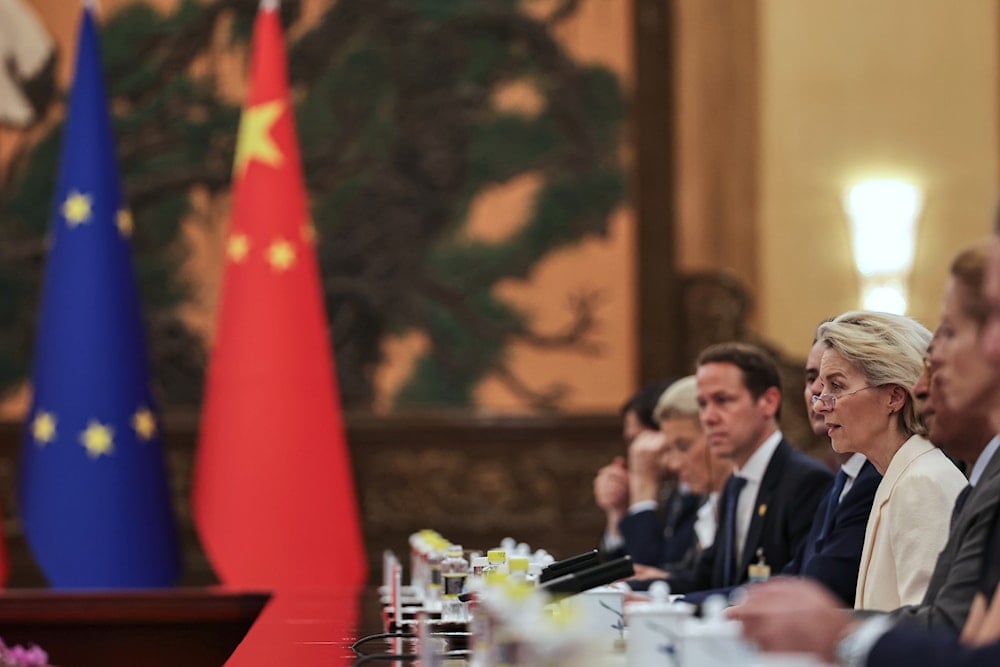
European Commission President Ursula von der Leyen, third right, attends during the opening remarks of the European Union - China Summit at the Great Hall of the People in Beijing, China, Thursday, July 24, 2025 (AP)
The European Union is taking steps to phase out Chinese-made equipment from its critical infrastructure, according to a Financial Times report published Saturday. The move is expected to directly impact major Chinese firms such as Huawei and ZTE, which could be barred from participating in key sectors across the bloc.
The reported plan will extend beyond telecommunications to include solar energy systems and security scanning technologies.
The plan was first introduced in 2023. At the time, the EU was mulling implementing a ban on the use of technology originating from companies that could cause an alleged "security threat" to its 5G network. The speculated list included Huawei.
EU officials alleged that foreign companies operating in the EU would be used to collect information from users and meddle with the Union's 5G communications network by their national governments.
EU follows US lead in targeting Huawei, ZTE
It is worth noting that the EU's move followed similar action taken by the United States. For instance, Huawei has been under heavy US sanctions since May 2019, when it was added to the US Commerce Department's Entity List. The move cut it off from American suppliers and led companies like Google to suspend cooperation involving proprietary technology.
In 2021, former US President Joe Biden signed a new legislation that imposes further restrictions on Huawei Technologies and ZTE Corp.
The legislation, dubbed the Secure Equipment Act, banned companies that are regarded as "security threats" from obtaining equipment licenses from US regulators. The Federal Communications Commission (FCC), under the new law, is required to no longer review or accept any authorization application for equipment that "poses a threat to national security," namely by Huawei and ZTE.
In 2025, tensions between Washington and Beijing escalated in light of President Donald Trump's trade policies, particularly after US export control measures targeted Huawei's artificial intelligence chips. The Chinese Ministry of Commerce criticized the restrictions as unlawful and warned of retaliatory action under its Anti-Foreign Sanctions Law.
The Financial Times had reported that the Trump administration is targeting Huawei's AI chips due to their links to US-developed software and hardware, which would normally require hard-to-obtain licenses under export rules. These controls build on a wider US policy, dating back to October 2022, that restricts global access to advanced semiconductors by any entity relying on American technology.
Read more: Huawei says it achieved in 10 years what US, EU did in 30


