
EU proposes new associate membership path for Canada
 3 Min Read
The European Union has opened discussions on making Canada its first associate member as Ottawa seeks closer economic and strategic ties with Europe.
-
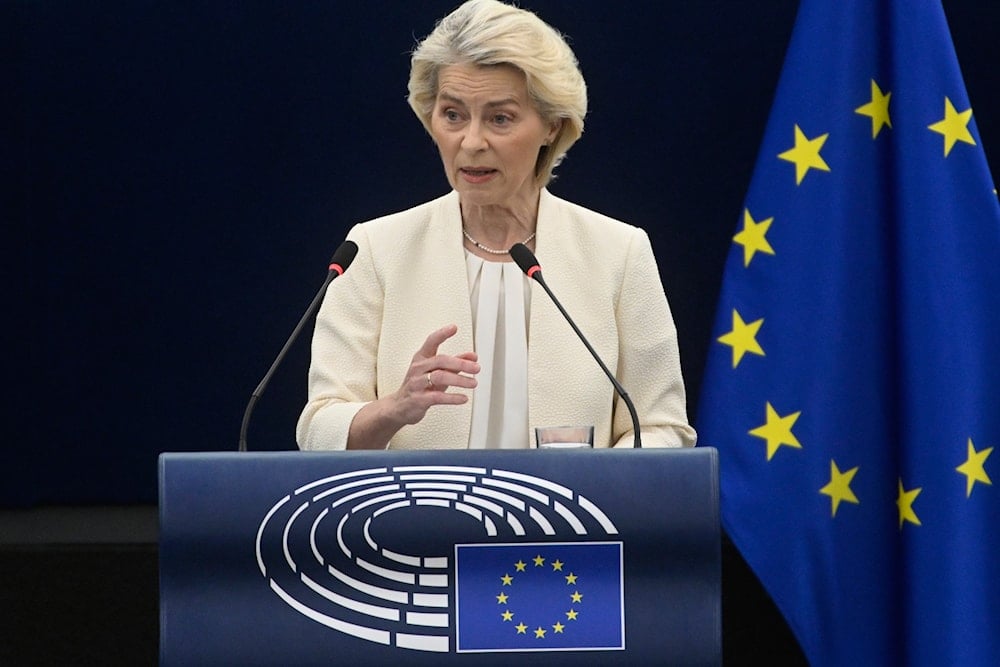
European Commission President Ursula von der Leyen delivers a speech at the annual State of the European Union at the European Parliament in Strasbourg, eastern France, Wednesday, Sept. 16, 2026 (AP)
The European Union is opening the door for Canada to become the bloc’s first “associate member,” European Commission President Ursula von der Leyen said on Wednesday, as Ottawa seeks to deepen ties with Europe amid a deterioration in relations with Washington, Reuters reported.
Speaking during her annual State of the European Union address at the European Parliament in Strasbourg, von der Leyen said the EU and Canada would work toward a closer strategic partnership covering areas including defense, artificial intelligence, energy, critical minerals, and supply chains.
“Partnerships are a strategic choice for Europe. But they also respond to the fracture in the international rules-based system,” von der Leyen said.
She added that Europe and Canada share common interests across several global challenges.
“We see the world with the same eyes: from AI to climate change, from the Arctic to geopolitics. And we have stood together: on Ukraine, on defence, on raw materials and on supply chains. But above all...Europe and Canada believe in democracy,” she said.
The proposed associate membership status would not amount to full EU membership, and such a category is not currently established under the bloc’s treaties. However, it could provide Canada with a deeper level of cooperation with the EU beyond existing agreements.
Canada looks to diversify partnerships amid tariff dispute with US
The move comes as Canada seeks to expand its international partnerships following a sharp deterioration in relations with the United States.
Canadian Prime Minister Mark Carney said earlier this week that Ottawa was pursuing a “unique alliance” with the European Union, while stressing that Canada was not seeking EU membership.
Carney’s European visit follows the collapse of trade talks with Washington and a series of retaliatory tariff measures between Canada and the United States under US President Donald Trump.
The tensions have prompted Ottawa to seek greater economic and strategic diversification, reducing reliance on its traditional North American partner while strengthening ties with other major economies.
Despite the timing, von der Leyen sought to emphasize that closer EU-Canada cooperation was not directed against Washington.
“This is a partnership not against anyone else,” she said.
Defense, minerals, and Arctic cooperation at center of partnership
Von der Leyen said Brussels and Ottawa would expand cooperation in areas considered strategically important for both sides.
“We will work on intelligent manufacturing. We will create a tech alliance. We will integrate defence industrial bases. We will make the Arctic a flagship joint project,” she said.
The EU has increasingly sought stronger partnerships with countries that can provide access to critical minerals and energy resources, while Canada has positioned itself as a major supplier of raw materials and a partner in Arctic security.
The proposal also comes after discussions in Europe over creating intermediate forms of cooperation for countries that are closely aligned with the bloc but are not full members, including previous debates over possible associate status for Ukraine.
Read more: Buy Canadian movement reshapes grocery amid Canada-US trade war


