
Exclusive - US pressure could push Iran to rethink NPT: Marandi
 7 Min Read
Marandi says Iran is preparing for a prolonged war, with its wartime economy and regional allies strengthening Tehran’s ability to withstand US pressure.
-
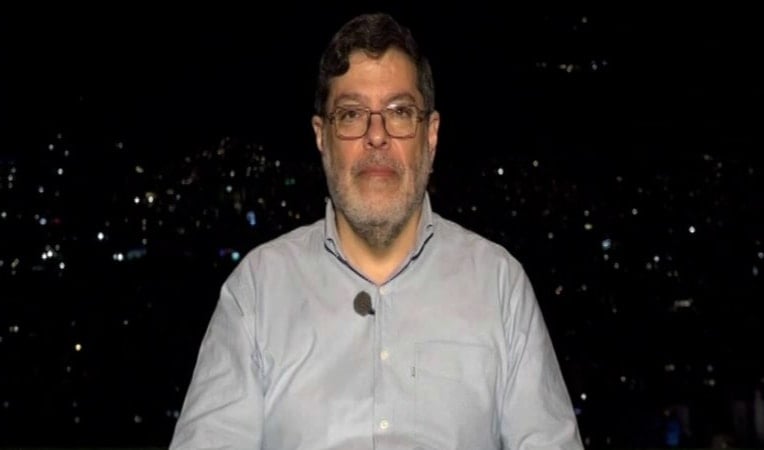
Professor Mohammad Marandi on Al Mayadeen’s "The Grand Standoff: Iran and the World," September 14, 2026 (Screengrab)
The United States’ escalating pressure on Iran could push Tehran toward reconsidering its membership in the Nuclear Non-Proliferation Treaty (NPT), University of Tehran professor Mohammad Marandi warned, arguing that Washington’s policies have instead strengthened calls inside Iran for a shift in its nuclear policy.
Speaking on Al Mayadeen's nightly program "The Grand Standoff: Iran and the World," Marandi said there had been “serious calls by very serious people for Iran to withdraw from the NPT,” while stressing that no decision had been made to leave the treaty.
“The mood in the country has changed a lot,” Marandi said, arguing that continued US and Israeli pressure had fueled growing public support for a change in Iran’s nuclear posture.
Speaking on Monday’s episode of The Grand Standoff: Iran and the World, Professor Mohammad Marandi said the mood in Iran has changed significantly.
— Al Mayadeen English (@MayadeenEnglish) September 15, 2026
He said there is nothing hidden about Iran’s uranium enrichment, noting that Iran has enriched uranium to 60% and that the quantity… pic.twitter.com/bLvLfvilNq
Nuclear issue has long been used as pressure tool
Marandi argued that Iran’s nuclear program was never the central concern for Western governments, but rather a political instrument used to pressure Tehran.
“The nuclear program was never the real issue. From the very beginning, it was a political tool for the West and for the Israeli regime to put pressure on Iran,” he said.
Speaking on Monday’s episode of The Grand Standoff: Iran and the World, Professor Mohammad Marandi said the United States is seeking to increase pressure on Tehran through political, economic, and military means.
— Al Mayadeen English (@MayadeenEnglish) September 15, 2026
However, he said these efforts will have no impact, noting that… pic.twitter.com/rcTEl9LioZ
The top Iranian figure pointed to decades of warnings from Israeli Prime Minister Benjamin Netanyahu about Iran allegedly approaching the capability to produce a nuclear weapon, arguing that the issue had repeatedly been used to justify pressure against Tehran.
'Terrorism and human rights': Other tools
Marandi also rejected Western framing of issues including terrorism and human rights, saying these concerns had been used selectively against Iran.
“Their definition of human rights, of terrorism, is, of course, a definition that supports empire, that strengthens empire,” he told Al Mayadeen.
Iran's nuclear policy faces growing domestic pressure
Marandi recalled that Iran’s nuclear program had originally been established with Western support before the 1979 Islamic Revolution, after which Tehran continued the program because of the substantial investment already made.
However, in Marandi's view, the United States’ current aggression had altered public attitudes toward Iran’s nuclear policy, including increasing calls for the country to leave the NPT.
“The majority of Iranians believe that Iran should build a nuclear weapon,” he said, while stressing that “that's not what the government is doing” and that developing nuclear weapons is not the policy of the Islamic Republic.
He said that public pressure had nevertheless increased substantially.
“When I go on the streets,” Marandi said, people who approach him frequently raise the nuclear issue and ask why Iran remains in the NPT and continues to reject the development of nuclear weapons.
'Circumstances could change'
He stressed that leaving the NPT would not necessarily mean that Iran would develop a nuclear weapon, but argued that the growing pressure reflected a significant change in public sentiment.
“The US behavior and the Israeli entity, its treacherous and genocidal behavior and its acts, they strengthen the argument for Iran to either leave the NPT or to even go further,” he said.
At the same time, Marandi stressed that Iran had not decided to leave the treaty.
“No decision has been made for Iran to leave the NPT. But circumstances could change,” he said.
Marandi disputes claims over Iran's nuclear program
Marandi also argued that Iran had conducted its nuclear activities openly and that the International Atomic Energy Agency (IAEA) had access to the facilities that were later targeted.
“Iran has enriched uranium at 60 percent,” Marandi said, adding that the quantity and quality of Iran’s enriched uranium had been known because of IAEA access.
He argued that Iran’s decision to increase enrichment followed the US withdrawal from the nuclear agreement and the subsequent imposition of maximum-pressure policies.
According to Marandi, Tehran increased enrichment to pressure Washington and European governments to fulfill their commitments under the agreement.
'Iran has until now chosen not to pursue a nuclear weapon'
The Iranian academic maintained that Iran had nevertheless continued to refrain from pursuing a nuclear weapon despite the escalation.
“Iran has until now chosen not to pursue a nuclear weapon,” he said.
Marandi argued that continued pressure was unlikely to force Iran to adopt a policy favored by Washington.
“No amount of pressure is going to change Iran's position towards something that the United States wants,” he said. “We're already at war. We've already been bombed.”
Iran preparing for prolonged war
Marandi also warned that the confrontation between Iran and the United States was unlikely to end soon, saying Tehran was preparing for a prolonged war.
He said Iran had shifted toward a wartime economy and was preparing for the possibility that the war could continue until the end of US President Donald Trump’s presidency.
“The belief in Iran is that this war is going to continue for a long time,” Marandi emphasized.
“The Iranian economy has shifted to a wartime economy,” he added, arguing that Tehran was preparing for a long-term confrontation rather than expecting Trump to change course in the immediate future.
Trump's loss in US midterm elections good for Iran
Marandi also linked Iran’s strategy to the upcoming US midterm elections, saying Tehran would seek to increase pressure on Washington.
“If Trump loses the House and, of course, the Senate too, if he loses both, it's going to be much more difficult for him in the months ahead. And that is good for Iran,” he said.
The Iranian professor added that such an outcome would also benefit the Axis of Resistance, most notably Yemen, while cautioning that it would not necessarily end the war.
Yemen adds pressure on US and Saudi Arabia
Turning to Yemen, Marandi said Washington was already overextended by the confrontation with Iran and argued that US efforts against Yemen had also failed.
He pointed to Yemen’s missile and drone capabilities, saying they had survived previous US and Israeli efforts to destroy them.
“Yemen, like Iran, has developed its own missile and drone technology and it's underground,” Marandi said.
Gulf and the Strait of Hormuz situation adds to Yemen's additional leverage
He argued that the underground nature of Iranian and Yemeni military infrastructure made it difficult for the United States and "Israel" to destroy.
Marandi also said Yemen’s operations against Saudi Arabia had damaged significant elements of the kingdom’s oil infrastructure, including the East-West pipeline, potentially placing additional pressure on global energy markets.
He stressed that the situation in the Gulf and the Strait of Hormuz had given Yemen additional leverage.
Marandi skeptical of US claims on nuclear damage
Marandi also challenged US claims that military strikes had seriously damaged Iran’s nuclear infrastructure, comparing those claims with Washington’s inability to destroy Iran’s underground missile, drone, and naval facilities.
“The Americans were unable to destroy any of Iran's missile bases. They were unable to destroy any of Iran's underground drone bases. They were unable to destroy any of the underground naval bases for Iran's speedboats,” he said.
“So why should we believe that they were able to destroy Iran's nuclear program, which was underground,” Marandi added.
He argued that Iran’s nuclear infrastructure was located deeper underground than some of its military facilities and therefore expressed skepticism over US claims that the strikes had caused serious damage.
“I’m very skeptical about the American claims that they've caused serious damage to Iran's peaceful nuclear program,” Marandi concluded.


