
HSBC: UAE leaving OPEC won't immediately shift oil supply
 2 Min Read
The UAE's planned departure from OPEC and the broader OPEC+ alliance next May is expected to have little immediate effect on global oil markets due to the ongoing closure of the Strait of Hormuz.
-
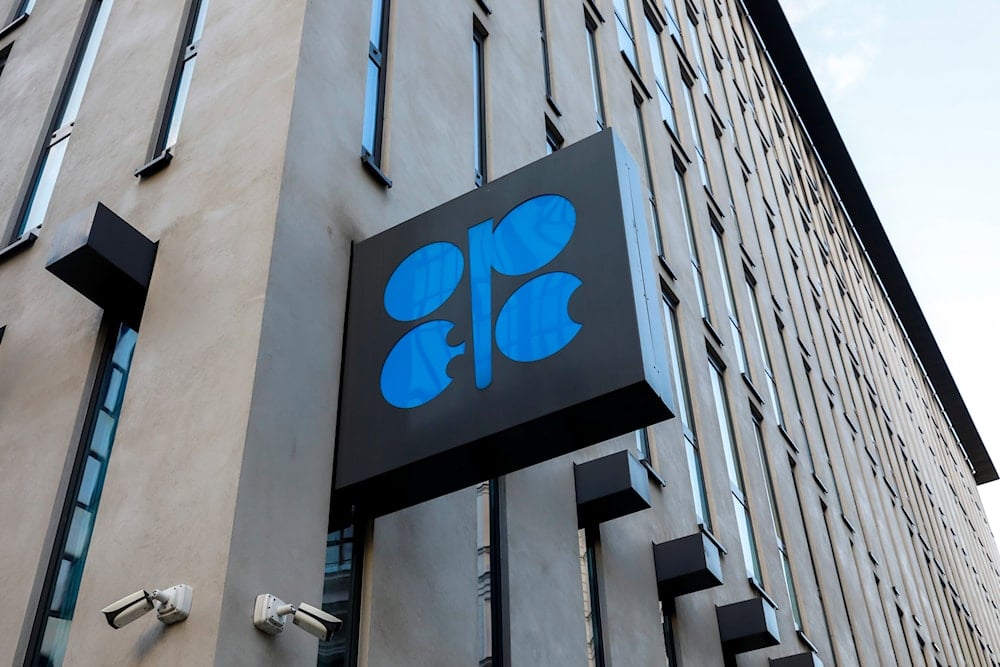
The logo of the Organization of the Petroleoum Exporting Countries (OPEC) is seen outside of OPEC's headquarters in Vienna, Austria, on March 3, 2022 (AP)
The UAE, one of OPEC's largest oil producers, announced on Tuesday that it would leave both OPEC and OPEC+, delivering a blow to the producers' alliance as the US-Israeli war on Iran continues to disrupt energy flows across the region.
In the near term, HSBC expects little change to global oil supply, as crude exports from the Gulf remain constrained by disruptions in the Strait of Hormuz, which has been effectively closed since late February. The bank said any increase in UAE output is capped while shipping access remains restricted.
Pipeline bypassing Hormuz already at full capacity
HSBC noted that the Abu Dhabi Crude Oil Pipeline, which allows exports to bypass the Strait of Hormuz by carrying crude to the port of Fujairah, has capacity of up to approximately 1.8 million barrels per day and is likely already operating at or near full utilization.
Once access through the strait is restored, the UAE will no longer be bound by OPEC+ production quotas and could gradually raise output, HSBC said. The bank estimates that the Abu Dhabi National Oil Company could lift production to more than 4.5 million barrels per day, compared with an OPEC+ quota of about 3.4 million barrels per day for the May 2026 period.
HSBC said any increase in supply is expected to be phased in over 12 to 18 months rather than delivered immediately, in line with ADNOC's stated intention to raise output gradually according to demand and market conditions.
Long-term risks to OPEC cohesion
Over the longer term, HSBC said the departure of a core Gulf member could undermine OPEC+ cohesion and credibility, making supply management more difficult to enforce.
The UAE's expanding production capacity and long-term investment plans, including a $150 billion program through 2030, suggest an intention to monetize reserves with fewer output constraints.
The loss of UAE participation could also raise the risk of compliance slippage among remaining members. If collective discipline weakens, OPEC+ may struggle to manage prices during periods of softer demand or rising non-OPEC supply, the bank added.


