
In 1st since 2009, Guterres in Syria, calls Golan issue 'unacceptable'
 2 Min Read
The UN Secretary-General arrives in Syria for a three-day trip, marking the first such visit by a UN chief to the country since 2009
-
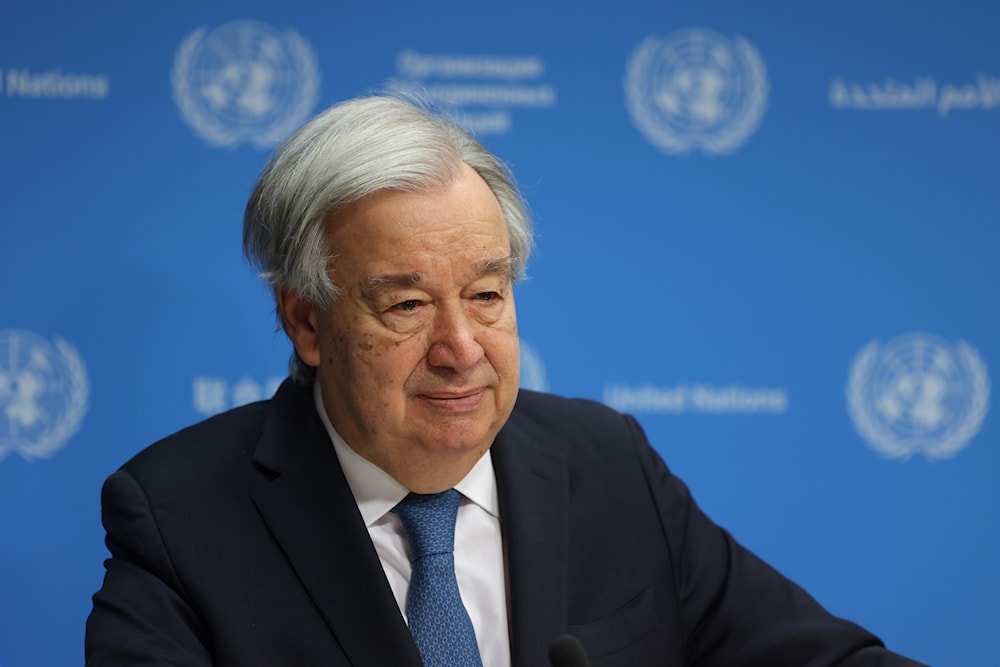
United Nations Secretary-General Antonio Guterres speaks about the release of a UN report on artificial intelligence during a news conference at UN headquarters on July 1, 2026 (AP)
UN Secretary-General Antonio Guterres arrived Saturday in the Syrian capital of Damascus on the first visit by a UN chief to the country since 2009.
Syrian Foreign Minister Asaad al-Shaibani received Guterres and the accompanying UN delegation at Damascus International Airport.
Guterres called the situation around the Syrian part of the Golan Heights "unacceptable", while al-Shaibani demanded the withdrawal of Israeli occupation forces from a UN-patrolled "buffer zone" they occupied in 2024.
“What is happening in the region around the Golan Heights is totally unacceptable,” Guterres told a press conference alongside Syria’s FM, who demanded an “immediate and unconditional Israeli withdrawal” from the area they had occupied.
The three-day visit marks the first by a UN secretary-general to Damascus since former UN chief Ban Ki-moon traveled to the Syrian capital in 2009.
Guterres to tour the occupied Syrian Golan
Besides meetings with top officials including President Ahmad al-Sharaa, the visit includes a field tour to inspect the UN Disengagement Observer Force (UNDOF), stationed in the occupied Syrian Golan Heights, as part of efforts to monitor commitments under the ceasefire agreement with "Israel".
Earlier this week, UN spokesman Stephane Dujarric said Guterres would visit Syria this week at the invitation of its government and meet several officials.
Guterres’ visit represents a significant shift in UN relations with Syria since the end of the civil war in 2024. It is the beginning of a political and UN-level engagement framework that brings the Syrian state back into direct international dialogue.
It also moves the Syrian issues from crisis management through special envoys to the highest leadership level within the international organization.


