
Indiana Senate blocks Trump-backed mid-decade redistricting plan
 4 Min Read
Indiana's Senate rejected a Trump-backed mid-decade redistricting plan after a GOP split, dealing a setback to Republican efforts to lock in House control ahead of the midterms.
-
Indiana Lt. Gov. Micah Beckwith awaits the final vote in an effort to redistrict the state's congressional map, Thursday, Dec. 11, 2025, at the Statehouse in Indianapolis. (AP Photo/Michael Conroy)
Axios on Friday reported that Indiana’s Republican-led Senate rejected a Trump-backed push to redraw the state’s congressional districts mid-decade, dealing a notable setback to US President Donald Trump’s efforts to tighten GOP control of the US House ahead of the midterm elections.
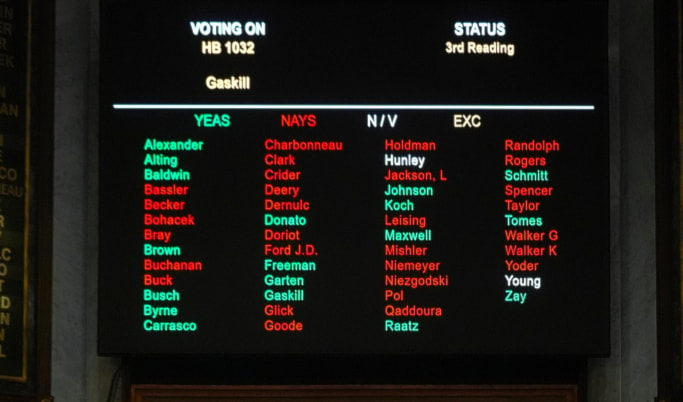
After roughly three hours of debate, the Senate voted 31-19 against House Bill 1032, a proposal that would have dismantled Indiana’s two Democratic-leaning districts, redistributing their voters to give Republicans a clear advantage in all nine congressional seats. The measure had passed the Indiana House last week with little resistance.
In a striking break within the party, 21 Republican senators joined all 10 Democrats in voting down the bill, a margin wider than many political observers expected. Senate President Pro Tempore Rodric Bray, who had previously resisted calls to bring lawmakers back early for a redistricting vote, allowed the measure to come to the floor amid mounting pressure. "We’ll vote and answer the question," Bray said ahead of the decision.
Following the vote, Bray said, "We finally have a resolution now," adding that while Republicans broadly support maintaining a GOP majority in the US House, "there’s a difference of opinion on how we get there."
Trump testing Republicans
The proposal had drawn sustained pressure from Trump, who publicly criticized Indiana Republicans and warned of political consequences if the state failed to act. "Every other State has done Redistricting, willingly, openly, and easily," Trump wrote on Truth Social, targeting Bray in a post issued one day before the Senate vote.
Several Republican senators cited concerns over electoral integrity and local representation. "I see no justification that outweighs the harm it would inflict upon the people’s faith in the integrity of our elections and our system of government," said Sen. Spencer Deery of West Lafayette.
Senator Greg Goode of Terre Haute, who had been undecided and later became the target of a swatting incident amid the political pressure campaign, said the proposed map conflicted with constituent preferences. "My job is to best represent District 38 and the Hoosiers who call it home," Goode said. "I’m confident my vote reflects the will of my constituents."
Lawmakers have since confirmed that several senators faced harassment, including swatting attempts and threats, during the redistricting fight, underscoring the heightened political tensions surrounding the proposal.
Party discipline warning
Indiana Governor Mike Braun sharply criticized the outcome, blaming Republican dissenters for blocking the effort. "I am very disappointed that a small group of misguided State Senators have partnered with Democrats to reject this opportunity to protect Hoosiers with fair maps and to reject the leadership of President Trump," Braun said.
He added, "Ultimately, decisions like this carry political consequences. I will be working with the President to challenge these people who do not represent the best interests of Hoosiers."
Trump and allied groups backing Republican-led redistricting have signaled they will channel resources into statehouse races and support primary challengers against GOP lawmakers who opposed the bill, raising the prospect of intensified intra-party battles ahead of the next election cycle.
The Indiana fight unfolded amid a broader national push for mid-decade redistricting, sparked earlier this summer when Texas moved to redraw its congressional map. Including Texas, five states have already adjusted their maps, while others are weighing similar steps as parties seek strategic advantages ahead of the midterms.
Despite Braun’s warning that "it’s not over if they don’t do it," the path forward in Indiana remains uncertain. Because lawmakers advanced the start of the regular legislative session rather than convening a special session, Bray said the issue cannot return for reconsideration during the current session, leaving Indiana’s existing congressional map in place for now.
Read more: Trump calls for CNN to be sold, citing low ratings, political bias


