
Iran, US, near agreement, finalization within 24 hours: Pakistan PM
 3 Min Read
The Iran-US peace deal is closer than ever, according to Pakistani Prime Minister Shehbaz Sharif, who said finalization could come within 24 hours, followed by technical-level talks next week.
-
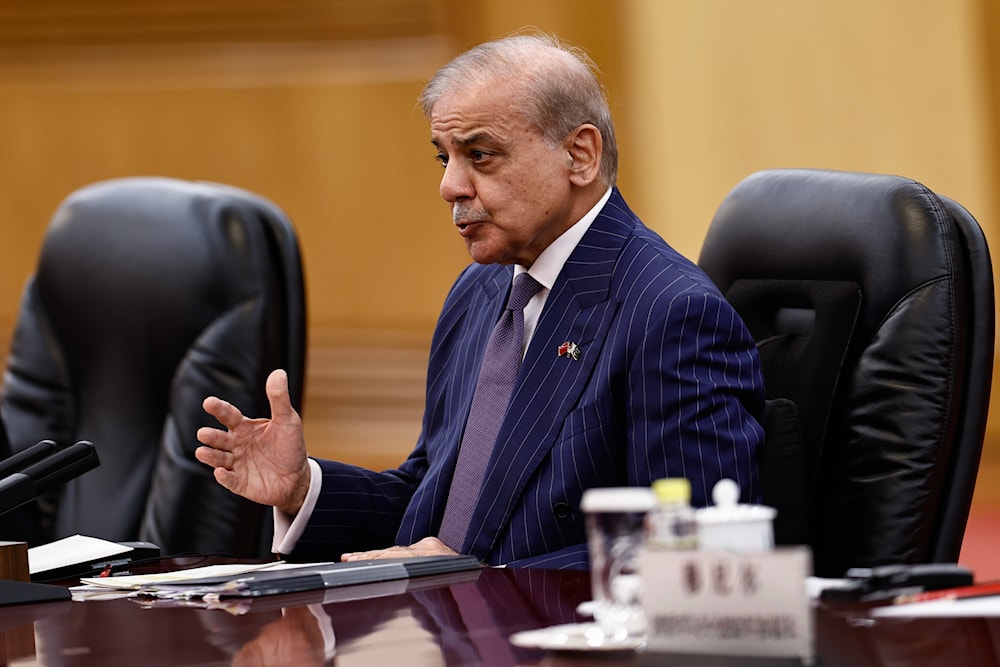
Pakistan's Prime Minister Shehbaz Sharif attends a meeting with Chinese President Xi Jinping at the Great Hall of the People, in Beijing, China, May 25, 2026. (AP)
A deal between Iran and the United States is closer than ever, Pakistani Prime Minister Shehbaz Sharif announced, with finalisation expected within the next 24 hours.
In a post on X, Sharif said Pakistan is preparing for the electronic signing of the agreement immediately after finalisation, to be followed by technical-level talks next week.
We are closer to a peace deal than ever before. With finalisation likely expected in the next 24 hours, Pakistan is preparing for the electronic signing of the peace deal immediately after, followed by technical level talks next week.
— Shehbaz Sharif (@CMShehbaz) June 13, 2026
We would like to thank United States of…
“We are closer to a peace deal than ever before,” the Prime Minister wrote, adding that “With finalisation likely expected in the next 24 hours, Pakistan is preparing for the electronic signing of the peace deal immediately after, followed by technical level talks next week.”
Sharif thanked both Washington and Tehran for their “ongoing commitment” during the talks, adding that Pakistan supports their efforts. “We are confident that this historic peace deal will form a strong foundation for lasting peace,” he said.
Araghchi outlines US-Iran MoU
Iranian Foreign Minister Abbas Araghchi had said last night that no final agreement has been signed with the United States, stressing that the current memorandum of understanding (MoU) – less than two pages long, “will declare an end to the war, including in Lebanon,” though changes may still occur.
In an interview with Iranian state TV, Araghchi said the talks will proceed in two phases, with the nuclear file deferred to the final agreement. He warned that if first-phase understandings are not implemented, “we will not proceed to the second phase.”
Araghchi stated that the MoU includes US commitments not to initiate any war or resort to threats, and mutual pledges to respect each other’s sovereignty and refrain from internal interference. He added that ending the war also means the withdrawal of “Israel” from occupied areas in southern Lebanon.
On the Strait of Hormuz, Araghchi said the MoU addresses the lifting of the maritime blockade and establishes a mechanism for Iran’s frozen assets. He asserted that the strait “is not an international waterway” but falls under the sovereignty of Iran and Oman, and that service fees will now be charged.
He noted that Iran’s Supreme National Security Council has full oversight of the talks, with both supporters and opponents of the text, but a final collective decision will be made. The first-phase signing, he said, will take place remotely.
Araghchi reiterated that the US nuclear demands at this stage were “entirely unacceptable” to Tehran, and that Iran will never leave Lebanon to face its challenges alone.


