
Iran defies US-Israeli diktats by electing Sayyed Mojtaba: Report
 2 Min Read
Iran elects Sayyed Mojtaba Khamenei as the new Leader following the assassination of Sayyed Ali Khamenei, as the country's governing structure continues to function under US-Israeli bombardment.
-
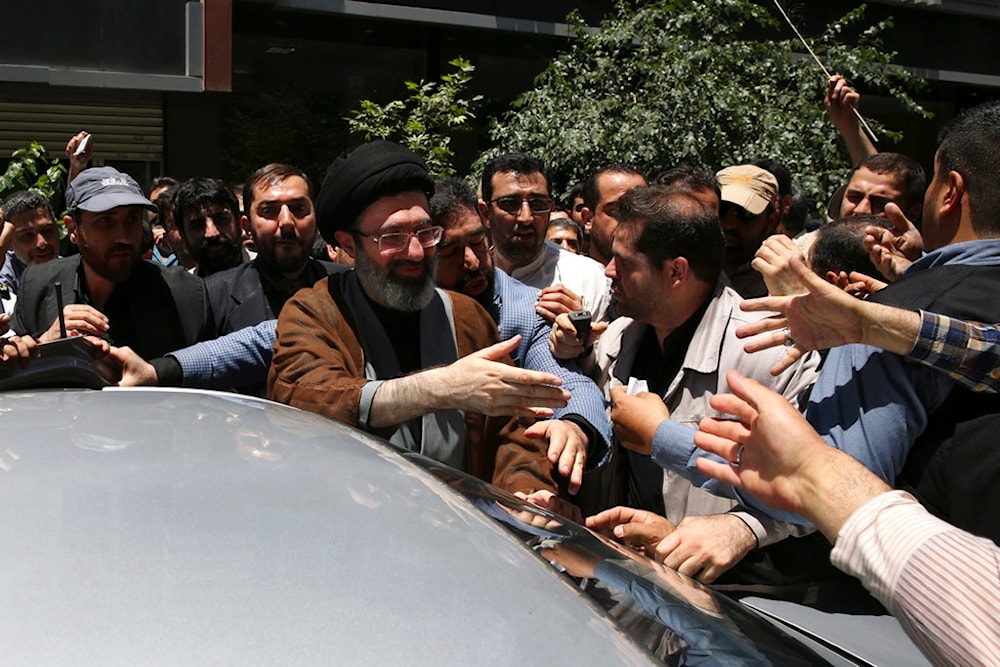
Sayyed Mojtaba Khamenei, son of Iranian Leader Sayyed Ali Khamenei greets Iranians at the annual Al-Quds Day rally in Tehran, Iran, on June 8, 2018. (AP)
Despite days of bombardment, reports indicate that Iran’s governing structure has continued to function with relative stability, with preparations ordered by the martyred leader, Sayyed Ali Khamenei, prior to his assassination reportedly proceeding according to plan.
According to The Economist early reports had suggested significant losses among Iran’s senior leadership during the first wave of attacks. However, subsequent information indicates that the number of casualties among top officials was far lower than initially reported.
Most deputy commanders and senior figures are believed to have survived the strikes, including Iranian President Masoud Pezeshkian and Ali Larijani, the secretary of the Supreme National Security Council of Iran.
Observers say the rapid election of Sayyed Mojtaba Khamenei as Leader of the Islamic Republic represents one of the clearest signs yet of institutional continuity within Iran during the ongoing war.
Iran's political, military structures intact
Western observers have also acknowledged the scale and sophistication of Iran’s missile capabilities, which reportedly surprised officials in Washington and Tel Aviv due to their range, accuracy, and destructive capacity.
Concerns over potential Iranian retaliation have reportedly contributed to hesitation among several Gulf states, which, despite being the target of some attacks, have largely refrained from joining the US-Israeli military aggression against Iran. Reports from regional and Western intelligence assessments suggest that the Iranian state apparatus remains largely cohesive despite the ongoing hostilities.
A Gulf intelligence report issued on March 5 reportedly noted that, contrary to early estimates, “large segments of Iran’s military leadership remain operational.”
The assessment echoed findings from a US intelligence report produced shortly before the outbreak of the war, which concluded that military action against Iran was unlikely to result in the collapse of the Islamic Republic’s political system.
Developments in Iran have also reported limited signs of internal fractures within the state, with senior commanders of the Islamic Revolution Guard Corps (IRGC) continuing to lead the country’s wartime response.
Read more: Who is Sayyed Mojtaba Khamenei, Iran's next leader?


