
Iran emerges as regional power...'Israel' left alone: Maariv
 3 Min Read
A major shift in West Asian geopolitics is reshaping regional power dynamics, with Iran gaining influence according to Maariv.
-
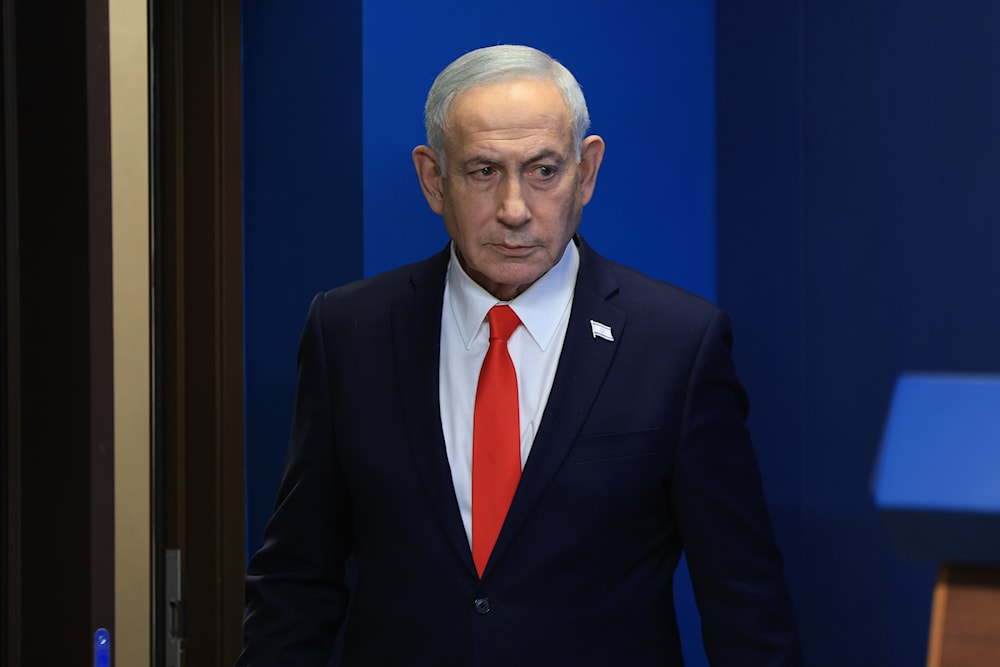
Israeli Prime Minister Benjamin Netanyahu holds a news conference in occupied al-Quds on June 15, 2026. (Ronen Zvulun, Pool Photo via AP)
Israeli newspaper Maariv wrote on Saturday that a major strategic shift has taken place in West Asia, stating that "Israel" has lost its ability to shape regional dynamics in favor of Iran, while also warning of potential escalation in Lebanon amid the failure of Israeli Prime Minister Benjamin Netanyahu’s wartime objectives.
According to Maariv, this week marks a pivotal turning point in the regional balance of power, arguing that "Israel", once regarded as the dominant regional force, has seen its influence over West Asia significantly diminished, with emerging developments reshaping the strategic order.
The report argues that the recently signed US–Iran memorandum of understanding effectively elevates Iran as the most influential regional power in West Asia, adding that Netanyahu had previously convinced US President Donald Trump that regime change in Iran was achievable, but the failure to reach this objective has undermined broader war-related outcomes and weakened "Israel’s" strategic position.
Maritime pressure and regional flashpoints
In its assessment of military dynamics, Maariv highlights Iran’s ability to assert its control over the Strait of Hormuz, arguing that even major US military capabilities have not ensured full control over the waterway.
On the northern front, the newspaper warns that Netanyahu may seek to leverage tensions in Lebanon to disrupt ongoing diplomatic negotiations, suggesting that such a course could lead to increased military losses and reduced security for northern settlements, potentially pushing the United States toward imposing an Israeli withdrawal from Lebanon without political or security guarantees.
The report concludes with a pessimistic assessment of future US involvement, suggesting that following recent developments, future American administrations may be reluctant to engage militarily against Iran, and that "Israel" has been left alone.
Poll: 71% of Israelis dissatisfied with Netanyahu
A new Israeli television poll has revealed deepening concerns among Israeli settlers regarding Netanyahu's handling of relations with the United States during negotiations with Iran.
Asked whether Netanyahu's conduct benefited or harmed Israeli interests in the US-Iran agreement, 52% said it caused harm. Just 24% believed his actions benefited Israeli interests, while another 24% were uncertain.
The results suggest that a majority of respondents view the current diplomatic trajectory as a setback for the occupation government's strategic objectives, particularly regarding Iran's nuclear program and broader regional influence.
The poll also challenged official narratives regarding the outcome of the war on Iran.
According to the findings, only 11% of respondents believe "Israel" won the war. By contrast, 43% said the occupation entity lost the war, while 41% described the outcome as inconclusive. The figures highlight a substantial gap between government messaging and public perceptions of the results of the war on Iran.
Polling on future elections showed opposition Zionist parties outperforming Netanyahu's bloc of right-wing and religious parties. However, the opposition would still fall short of the 61 seats required to form a governing coalition.


