
Iran has been equipping for decades for this confrontation: PUK chief
 5 Min Read
Bafel Talabani says the Kurdistan Region will not become a zone of fighting, calling for dialogue amid rising regional tensions and growing Middle East instability.
-
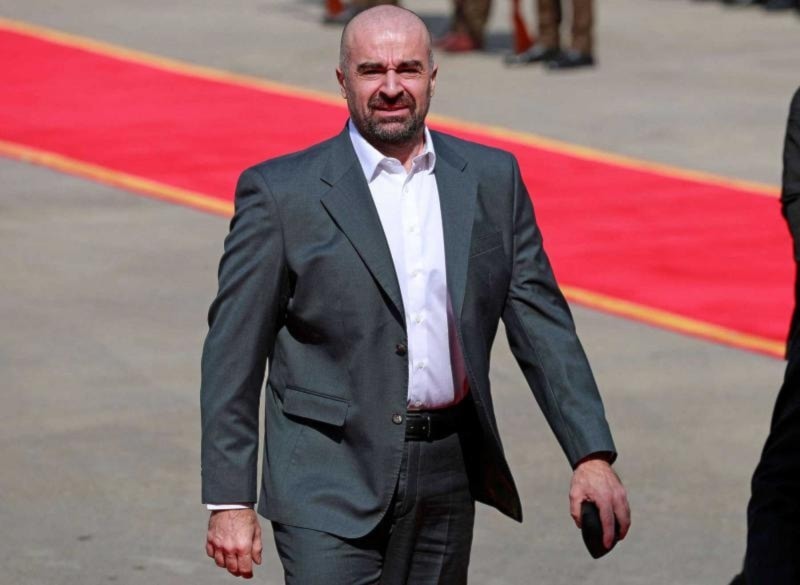
A file picture shows Bafel Jalal Talabani, leader of the Patriotic Union of Kurdistan (PUK), attending the inauguration ceremony for the new Iraqi president at al-Salam Palace in Baghdad, October 17, 2022 (AFP)
Bafel Talabani, chairman of the Kurdistan Democratic Union Party (PUK), emphasized on Saturday the necessity of resorting to dialogue to resolve disputes and problems in the region, while stressing that the Kurdistan Region "will not become a zone of fighting."
In an interview for Fox News, Talabani warned of the coming days and potential escalation, dismissing any signs of imminent calm, and highlighted the party’s role as "a bridge to resume dialogues and resolve issues through understanding."
He expressed concern over the humanitarian crises, noting that citizens in the Middle East have witnessed numerous conflicts, "and now is the time for lasting stability and peace."
Regime change attempt will be met with fierce resistance
Talabani ruled out any immediate change in Iran’s governance, pointing to the absence of popular uprisings or indicators of internal collapse.
He added that "the journey is still long, and the process is expected to be difficult and complex," noting that "the Iranian regime has been planning for this confrontation for 45 years, which means any progress will face fierce resistance."
Talabani also warned of regional complications that could result from escalation, including legitimate Turkish concerns that might lead Ankara to intervene against Kurdish forces, alongside additional complexities in the Syrian arena.
He said turning the Kurds into "the spearhead" in this battle is not the optimal choice due to "the sensitivity of the location and overlapping interests."
Talabani stressed the need not to overlook the humanitarian dimension of the crisis, expressing concern over "a new humanitarian disaster in a region that has already suffered enough from wars and conflicts," calling on all parties to "seek less bloody paths to resolve disputes."
Iran opted for dialogue
Regarding the current regional situation, he said that "the Iranians wanted to resolve problems through dialogue, and the situation in Iran now is different from Iraq in 2003, because at the time, there was an agreement between the Kurds and Shiites in Iraq, and this enjoyed the necessary legitimacy."
Talabani believes the region faces difficult days ahead, denying any signs of a truce. He added, "The Kurdistan Region will not become a zone of fighting, and the coalition must establish stability and prosperity in the Middle East."
Speaking about Kurds in Iran, he said they "deserve better treatment," adding, "During the phone call between the Iranian foreign minister and me, he explained that they wanted to resolve problems through dialogue and understanding."
Talabani also discussed the historical cooperation between the Kurds and the United States, noting that Kurds, spread across Turkey, Iraq, Iran, and Syria and numbering around 30 million, have remained Washington’s allies from the war on Iraq to the battle against ISIS.
He claimed that US forces are currently targeting missile sites and drone factories, adding that "the most effective fighting forces are deployed outside Iranian territory and are stationed at the borders."
Talabani concluded by emphasizing that the Kurdish areas should remain "a bridge for communication, not a confrontation zone," underlining the Kurds’ unique position as "US allies and neighbors to Iran."
He said that the time for diplomacy will come after achieving military objectives, noting that "the Kurds will remain ready alongside their friends and allies to work towards stability, peace, and prosperity in a region that has suffered from the ravages of war and conflicts for decades."
Trump incites, Iranian officials respond
US President Donald Trump has recently pushed for Kurdish involvement in the expanding war on Iran, according to multiple reports during the ongoing regional escalation. The outreach comes as Washington and its allies continue to wage a war against Iran.
On March 5, 2026, Trump contacted Kurdish political leaders in Iraq and Iranian Kurdish opposition groups, urging them to support efforts aimed at weakening Tehran’s government. Reports said he offered military backing and potential air cover if Kurdish forces attempted to seize areas in western Iran.
A day later, on March 6, 2026, Trump publicly encouraged Iranian Kurdish fighters based in Iraq to attack Iran. In comments reported by media outlets, he said it would be “wonderful” if Kurdish forces entered Iran to fight government troops, signaling support for their participation in the war.
Iran responds
In response, Iran’s Karbala Headquarters of the IRGC in the country’s southwest rejected reports suggesting the presence of anti-government or “anti-revolution” elements in the region, warning that any threat to Iran’s security would be decisively confronted.
In a statement issued Friday, the headquarters said its forces are "closely monitoring developments and enemy activity," stressing that security forces remain on high alert amid the ongoing war.
Borders secured
Meanwhile, Iraq’s Border Guard commander, Lieutenant General Mohammed Sukkar, said on March 7 that the country’s borders with all neighboring states are fully secured, stressing that there have been no cases of infiltration or smuggling.
Speaking to the Iraqi News Agency (INA), Sukkar said there is ongoing coordination with the Peshmerga and Asayish forces to secure the border with Iran, alongside cooperation between Iraqi border brigade commanders and their Iranian counterparts.


