
Iran reviewing draft to ensure Strait of Hormuz security: Salimi
 3 Min Read
Iran's Parliament is reviewing an 11-article draft bill proposing restrictions on US and Israeli vessels and cargo transiting the Strait of Hormuz.
-
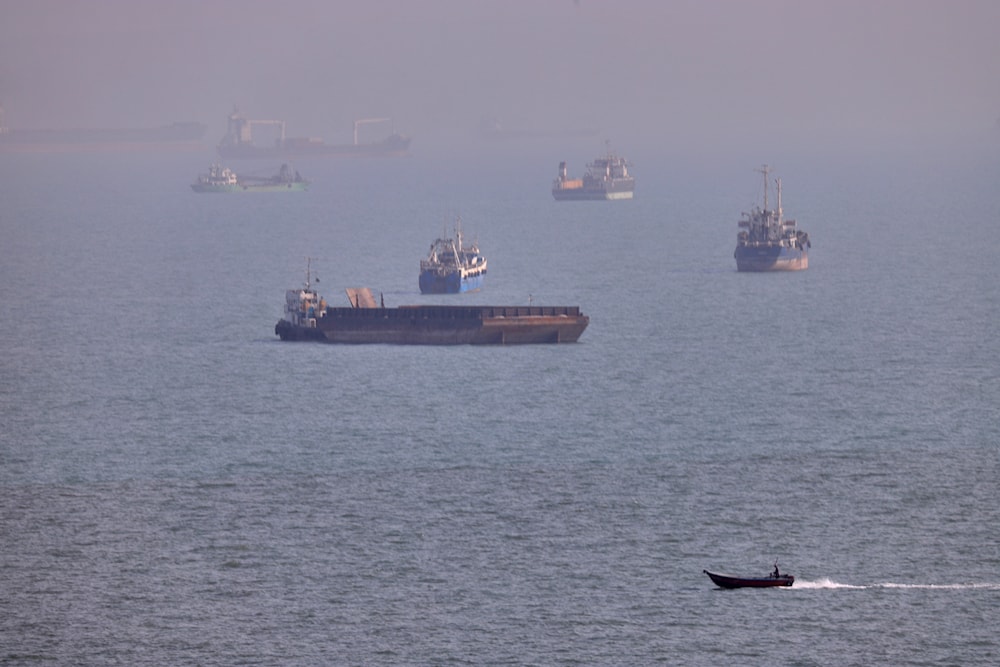
A small boat sails past cargo ships and other commercial vessels anchored in the Strait of Hormuz off Bandar Abbas, Iran, Wednesday, Aug. 5, 2026 (AP)
An Iranian parliamentary committee is reviewing a draft bill that would impose restrictions on navigation through the Strait of Hormuz, a senior lawmaker announced Thursday.
Ali Salimi, a member of the Iranian Parliament's presidium, said the National Security and Foreign Policy Committee is reviewing the preliminary text of a strategic plan for ensuring security in the Strait of Hormuz. According to Salimi, the draft legislation consists of 11 articles.
Salimi said the plan stipulates a ban on the transit of US and Israeli vessels, along with ships from other countries that Tehran classifies as hostile. Salimi also said the plan prohibits the passage of cargo linked to "Israel", whether military or civilian, and includes a ban on ships or cargo that have a role in actions against the Axis of Resistance.
He noted that countries and entities that have caused damage to Iran would not receive a license to transit the Strait of Hormuz and the Gulf until they compensate for those damages, adding that violators would face large fines, which may reach up to 20 percent of the cargo value.
Iran abolishes nothern, southern Strait of Hormuz lanes
Earlier on August 6, Fars News Agency reported, citing an informed source, that Iran will abolish the northern and southern lanes of the Strait of Hormuz, with vessel traffic eventually shifted to a central lane.
According to the source, vessels will initially enter the Strait of Hormuz through the northern lane along Iran's coastline and exit through the southern lane. Once the specified deadline expires, vessel traffic through both lanes will cease, and all movement will take place through the central lane, the source said.
The source added that specific fees will be imposed on vessels transiting the strait as part of charges for various services. Reports of a dispute between Iran and Oman over tariffs based on the value of vessels' cargo are untrue, according to the source. "Vessel transit fees depend on many variables, including the extent of services we can provide," the source stressed.
Vessels in the Strait of Hormuz will be required to pay for insurance, refueling, environmental fees, and similar services, the source said.
Iran, Oman agree on framework for Strait of Hormuz management
This comes as Iran and Oman have agreed on the geographical coordinates of a proposed route for managing navigation through the Strait of Hormuz, with a joint statement between the two countries now in the final stages of review and drafting, Iranian Foreign Ministry spokesperson Esmaeil Baghaei said.
According to the spokesperson, if third parties do not obstruct the process, the joint statement could soon be finalized, marking an advanced stage in Tehran and Muscat's discussions over arrangements related to the strategic waterway.
Baghaei stressed that the understanding between Iran and Oman alone cannot guarantee the safety of the Strait of Hormuz for passing ships, arguing that factors contributing to insecurity in the waterway remain.
He pointed in particular to actions by the United States, including a naval blockade and other aggressive and threatening measures against Iran and its interests, as continued sources of instability.


