
Iran says gaps remain in US nuclear talks: Reuters
 3 Min Read
Iran says significant gaps remain with the US in nuclear talks, while linking Strait of Hormuz access to ceasefire terms and ongoing negotiations.
-
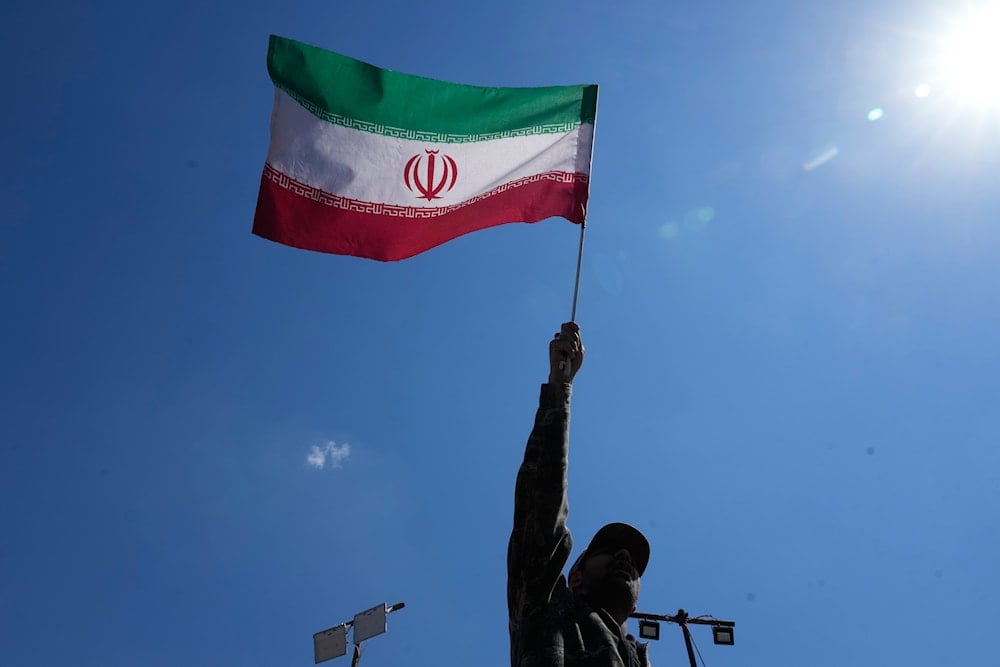
A government supporter waves an Iranian flag during a gathering in Tehran, Iran, Thursday, April 9, 2026 (AP)
Significant differences remain between Iran and the United States in efforts to reach a deal aimed at ending the war, a senior Iranian official told Reuters on Friday, adding that keeping the Strait of Hormuz open is conditional on US adherence to the terms of ceasefire.
The official, who spoke on condition of anonymity, said “no agreement has been reached on the details of the nuclear issues,” stressing that serious negotiations are still required to bridge the remaining gaps.
He said Tehran hopes a preliminary agreement could be reached in the coming days through mediator Pakistan’s efforts, with the possibility of extending the ceasefire to “create space for more talks on lifting sanctions on Iran and securing compensation for war damages”.
“In exchange, Iran will provide assurances to the international community about the peaceful nature of its nuclear programme,” he said, adding that any other “narrative about the ongoing talks is a misrepresentation of the situation”.
Pakistan says Iran-US deal at 80% completion
This follows reports that a US–Iran agreement is close to being completed, though both sides must show flexibility to finalize the deal, Pakistan’s Foreign Minister Ishaq Dar said on Friday.
Speaking at the Antalya Diplomacy Forum in Türkiye, Dar said Pakistan “will leave no stone unturned” in its efforts to achieve peace, emphasizing that “what Pakistan wants to see is not the extension of the ceasefire, it’s permanent end of the war.”
Dar added that “we have already crossed more than 80 percent of the work done,” but stressed that “both sides need to show flexibility.”
According to Dar, Pakistan’s Prime Minister Shehbaz Sharif and military chief Asim Munir have been involved in mediating discussions between the two sides, including talks held in Islamabad last week, which did not produce a final agreement, though negotiations have continued.
A Pakistani negotiating team led by Munir is currently on its third day of a visit to Tehran, where it is meeting senior Iranian officials to advance efforts toward a deal with the United States.
Sharif is also attending the Antalya forum, concluding a series of regional visits that included stops in Saudi Arabia and Qatar, where he and Dar held meetings with senior leadership on Pakistan-brokered talks.


