
Iran sets Lebanon ceasefire as key condition in US talks
 3 Min Read
Iran insists on Lebanon ceasefire and asset release as US talks advance in Islamabad, with negotiations entering technical stages amid ongoing disputes.
-
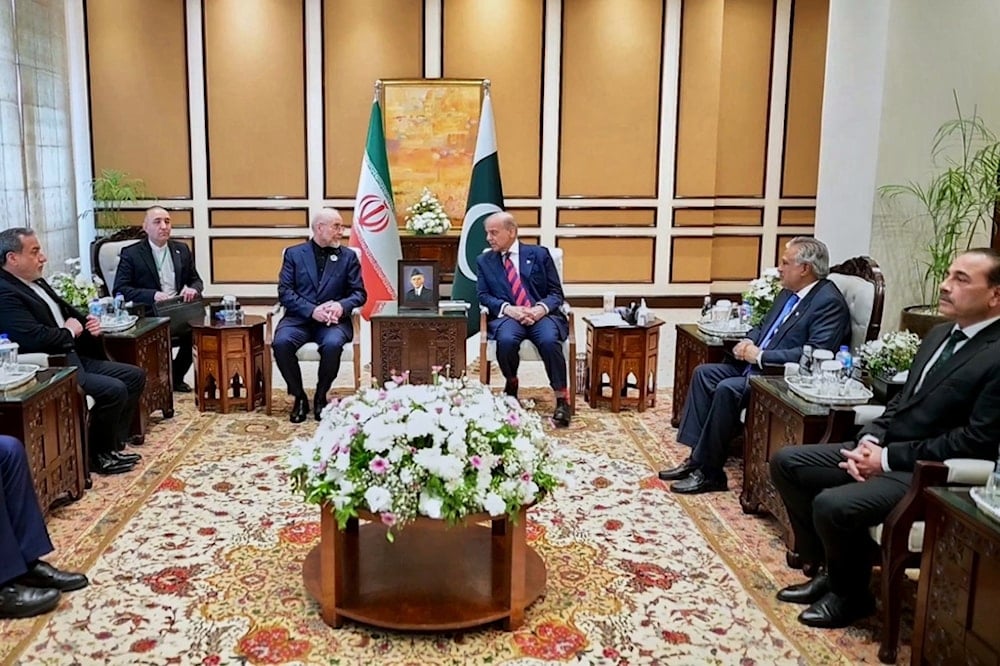
This photo released by the government of Pakistan shows a meeting being held between the Iranian ceasefire delegation with Pakistani Prime Minister Muhammad Shehbaz Sharif (X/@GovtofPakistan)
Iranian state television reported on Saturday that expert delegations and specialized committees have entered the main negotiation chamber as ongoing talks between Iran and the United States advance in Islamabad.
According to the report, Washington has agreed to Iran’s two key preconditions for launching the discussions: achieving a tangible ceasefire covering Iran and West Asia, and the release of Iran's frozen assets.
State television noted that while a ceasefire has taken effect in Beirut, it has yet to be implemented in southern Lebanon, a discrepancy that continues to draw opposition from the Iranian delegation.
Tehran has stressed that any agreement must include full implementation of the ceasefire across Lebanon, particularly in the south, where Israeli attacks against civilian infrastructure persist.
Talks enter technical phase amid firm Iranian stance
The Iranian delegation underscored that it will withdraw from negotiations if the interests of the Iranian people and the Islamic Republic are not secured.
The talks in Islamabad are being conducted under Iran’s policy of “diplomacy of strength,” with the country’s “ten-point plan” acting as the foundation of negotiations.
Tasnim News Agency’s correspondent in Islamabad reported that discussions between Iranian and US delegations have moved beyond general frameworks into detailed technical negotiations across several points, following initial rounds of dialogue.
Experts from both sides are currently reviewing specific aspects of the proposals under discussion.
Although the talks were initially scheduled to last one day, there is a possibility they may be extended for an additional day to allow continued expert-level discussions, though no final decision has been made.
Ongoing coordination over ceasefire implementation
Iranian Foreign Ministry spokesperson Esmail Baghaei reiterated on Saturday from Islamabad that a ceasefire in Lebanon remains “a fundamental demand for Iran.”
He added that coordination is ongoing between Islamabad and Beirut to ensure the ceasefire is implemented across all fronts.
Iranian sources warned Fars News Agency that Washington may be attempting to dodge responsibility in the negotiations by portraying "Israel" as an independent and disruptive actor in an attempt for the US to distance itself from potential outcomes of the talks.
These talks come following Tel Aviv's decision to separate itself from the initial ceasefire, stating that while it supports the halt of aggressions in Iran, Lebanon was not a part of the deal.
"Israel" has had an aggressive stance against Iran since the success of the Islamic Revolution in 1979, and has called for regime change and the bombing of the nation for decades.
Critics state that "Israel" divorcing itself from the ceasefire announced Wednesday was in response to a month-long failed attempt to invade and occupy Lebanon. The battles on the border follow 15 months of "Israel" stating that it eradicated Hezbollah's capabilities.


