
Iran-US nuclear talks set for Geneva on Tuesday
 3 Min Read
Indirect Iran-US nuclear talks are set for Geneva on February 17 under Omani mediation, with Tehran open to concessions on enriched uranium if Washington agrees to lift sanctions.
-
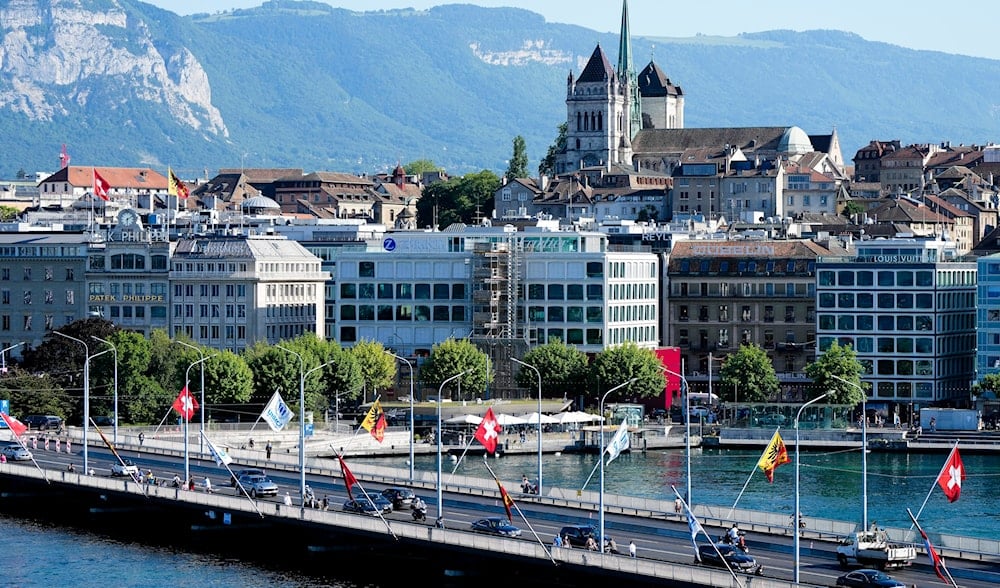
Cars drive on a bridge in front of the old town with the St. Pierre Cathedral in Geneva, Switzerland Monday, June 14, 2021. (AP Photo/Markus Schreiber)
Iran and the United States will hold indirect talks on Tehran's nuclear program in Geneva on Tuesday, February 17, with Oman mediating the discussions, the Iranian Foreign Ministry confirmed on Sunday.
Iranian Foreign Minister Abbas Araghchi has already departed for Switzerland, where he is also scheduled to meet with International Atomic Energy Agency (IAEA) Director General Rafael Grossi, as well as the foreign ministers of Switzerland and Oman, the ministry said in a statement on Telegram.
The Geneva round marks the second session of indirect nuclear negotiations between Tehran and Washington, following initial talks held in the Omani capital, Muscat, earlier this month. Omani Foreign Minister Badr al-Busaidi described the Muscat discussions as "serious and constructive," saying they helped clarify both sides' positions and outlined possible paths toward progress.
Tehran signals flexibility, sets red lines
Iran is reportedly prepared to consider concessions to reach a nuclear agreement, provided Washington shows readiness to discuss lifting sanctions, according to Deputy Foreign Minister Majid Takht-Ravanchi.
In an interview published by the BBC on Sunday, Takht-Ravanchi stressed Tehran's non-negotiables, firmly rejecting halting uranium enrichment activities and asserting that enrichment is a sovereign right. The ball, he said, is "in America's court to prove that they want to make a deal."
Earlier, the head of the Atomic Energy Organization of Iran, Mohammad Eslami, indicated that Tehran could agree to reduce the concentration of its highest enriched uranium stockpile in exchange for the removal of all financial sanctions. He maintained that sanctions remain the primary tool used to hinder Iran's development, stressing that they are Washington's "main means to stop the country and force it into submission."
Military backdrop looms over diplomacy
The diplomatic push comes against a backdrop of heightened military posturing. Reuters reported on Saturday, citing two US officials, that the United States military is preparing for the possibility of sustained, weeks-long aggression against Iran if US President Donald Trump orders it, signaling the potential for a far more serious confrontation with Tehran.
Trump has recently sharpened his rhetoric toward Iran, saying on Friday that a change of government in Tehran would be "the best thing that could happen," while deploying a second US aircraft carrier to West Asia.
US Secretary of State Marco Rubio stated that although Trump prefers reaching an agreement with Tehran, achieving such a deal remains "highly challenging."
Geneva emerges as diplomatic hub
The Iran-US talks are part of a broader diplomatic push unfolding in Geneva this week. A US delegation, including envoys Steve Witkoff and Jared Kushner, is expected to meet Iranian officials on Tuesday morning before taking part in separate trilateral discussions with representatives from Russia and Ukraine later that day, as part of ongoing efforts to end the war in Ukraine.
Switzerland reaffirmed its readiness to facilitate dialogue, with a spokesperson for the Swiss Foreign Ministry saying Bern "stands ready at all times to offer its good offices" between the two sides.


