
Iran-US round three of talks resumes; non-aggression pact on the table
 3 Min Read
Iran-US indirect nuclear talks enter second session of the third round in Geneva amid cautious optimism, with sanctions relief and enrichment rights remaining key sticking points.
-
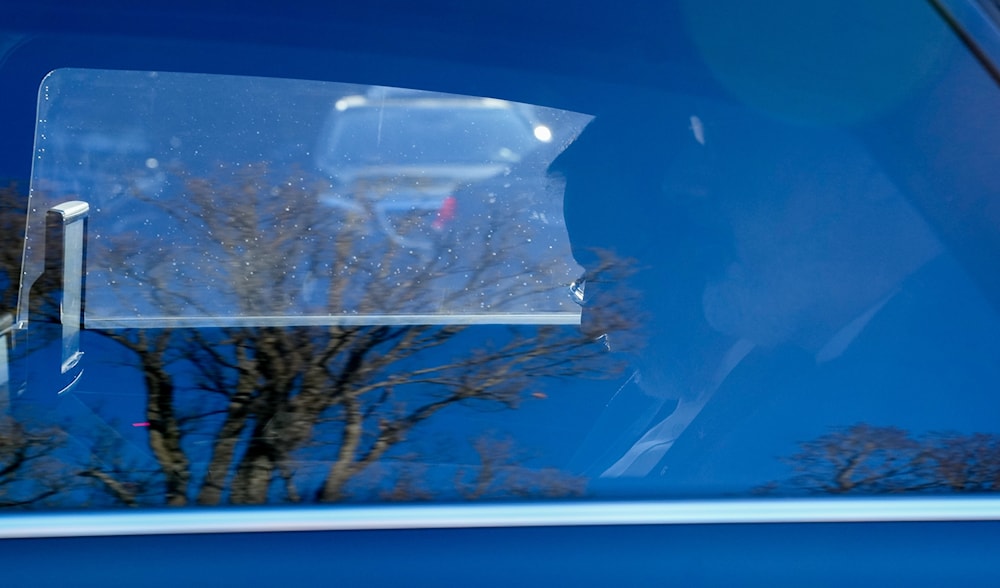
Iranian Foreign Minister Abbas Araghchi, left, sits in his car in Geneva, Switzerland, where Iran and the United States are holding a round of indirect talks, Thursday, Feb. 26, 2026 (Iranian Foreign Ministry via AP)
The second session of the third round of indirect talks between Iran and the United States has resumed, Iran's state news agency IRNA confirmed, as both delegations arrived at the talks HQs with the Omani side maintaining a certain level of optimism and positivity regarding the negotiations.
Al Mayadeen's bureau chief in Geneva, Moussa Assi, reported that the current session, the second within the third round of indirect talks, is expected to last between two and three hours, with the possibility of extending talks into the following day if needed.
Western diplomatic sources told Al Mayadeen that a non-aggression pact is on the table. The Iranian delegation is reportedly showing considerable flexibility on the issue of uranium enrichment, a development Al Mayadeen's Tehran correspondent described as part of broader positive signals suggesting the talks are moving in the right direction.
The participation of International Atomic Energy Agency (IAEA) Director General Rafael Grossi in this round has also been flagged as significant, with Assi noting that it would allow for further coordination between the two delegations on technical nuclear matters.
However, a key sticking point remains, as Washington has yet to agree to a complete lifting of the sanctions imposed on Iran, a demand that has long been central to Tehran's position in any prospective deal. Meanwhile, the US imposed a fresh round of sanctions on Iran on Wednesday, targeting oil sales and weapons networks.
Al Mayadeen's Geneva bureau chief described the upcoming session as one of "extreme importance and difficulty," underscoring that while the atmosphere is constructive, significant hurdles remain before any agreement can be reached.
Earlier in the day
The developments follow a first session that was temporarily suspended to allow both delegations to consult with their respective capitals. Iranian Foreign Ministry Spokesperson Esmaeil Baghaei described Thursday's earlier discussions as "serious," confirming that "important and practical proposals" had been presented on both the nuclear file and sanctions relief, while cautioning that final outcomes should be assessed only after the conclusion of the second session.
Baghaei asserted that "the subject of the negotiations is only the nuclear file and the lifting of sanctions on the Iranian people," dismissing media speculation as unconfirmed.
A senior Iranian official told Reuters the discussions had been "intense and serious," generating new ideas requiring further consultation with Tehran. The official acknowledged some gaps remain but said progress was achievable if Washington "seriously separates nuclear and non-nuclear issues."
Omani Foreign Minister Badr Albusaidi, mediating the process, described the pause as agreed, noting that "innovative and positive ideas were exchanged." Earlier Thursday, he met with US Special Envoy Steve Witkoff and Jared Kushner, following talks the previous evening in Bern with Iranian Foreign Minister Abbas Araghchi, who urged Washington to refrain from "contradictory behavior and positions" and reiterated Tehran's insistence that Iran's right to peaceful nuclear enrichment be formally recognized under international law.


