
Iraq PM-designate Ali al-Zaydi outlines priorities for next phase
 4 Min Read
Iraq’s PM-designate Ali al-Zaydi outlines priorities focused on stability, economic growth, and building a balanced regional and international role.
-
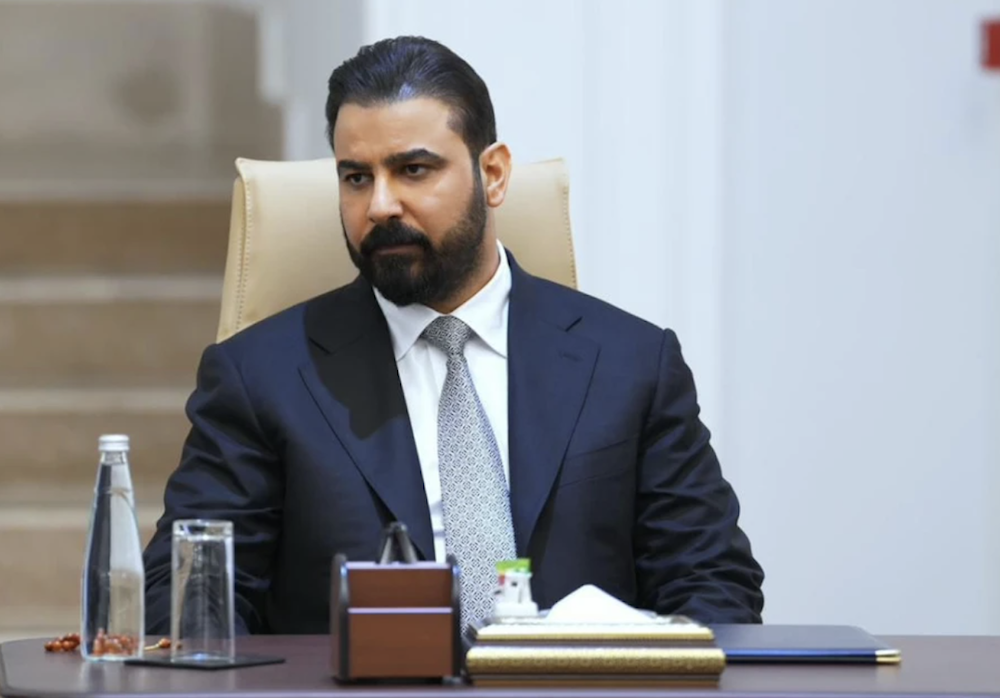
Iraqi Prime Minister-designate Ali al-Zaydi attends the meeting of the Coordination Framework political bloc in Baghdad, Iraq,on April 27, 2026. (AP)
Iraq’s Prime Minister-designate Ali al-Zaydi on Monday outlined the key priorities of his upcoming government, emphasizing the need to confront both internal and external challenges while building a balanced Iraqi state at the regional and international levels.
Al-Zaydi stressed that the current stage requires unified efforts from all political and social forces, highlighting the importance of cooperation to navigate the country’s evolving challenges.
الاطار التنسيقي يختار علي الزيدي مرشحا له لرئاسة الحكومة#الميادين_عراق#الميادين_بلاس pic.twitter.com/AXig7EZSNA
— الميادين عراق (@almayadeeniraq) April 27, 2026
Focus on stability and economic potential
He noted that Iraq’s human and natural resources offer a significant opportunity to advance toward an economically empowered and socially stable state.
According to al-Zaydi, the forthcoming government program will build on previous efforts to improve public services and social conditions, while prioritizing risk management and capitalizing on available opportunities. He reiterated that his vision centers on positioning Iraq as a balanced actor both regionally and internationally.
Al-Zaydi also expressed gratitude to the Coordination Framework for nominating him for the premiership. The Coordination Framework, being the largest bloc, held a meeting at the government palace in Baghdad and selected Ali al-Zaydi as its candidate for the premiership.
Earlier, a senior Iraqi political source told Al Mayadeen that “an agreement has been reached to nominate Ali al-Zaydi as the candidate for the next prime minister,” adding that the Coordination Framework presented al-Zaydi as a compromise figure for the position.
In detail, Al Mayadeen’s Baghdad correspondent explained that key leaders within the Coordination Framework, including Prime Minister Mohammed Shia al-Sudani, former prime minister Nouri al-Maliki, and Popular Mobilization Commission head Faleh al-Fayyadh, have agreed on nominating al-Zaydi for the premiership.
Obstacle in the face of government entitlement resolved
The director of Al Mayadeen’s Baghdad office said the “obstacle that stood in the way of the government entitlement has been resolved,” noting that participants agreed to put forward al-Zaydi for internal endorsement during Sunday’s meeting.
He added that discussions between al-Sudani and al-Maliki were held at the residence of the head of the Popular Mobilization Forces, Faleh al-Fayyadh, over two days to finalize the selection of a prime minister.
According to the same source, the Coordination Framework will submit al-Zaydi’s name to the president of Iraq after reaching consensus, followed by formally tasking him with forming the next government.
Who is Ali al-Zaydi?
Ali al-Zaydi is an Iraqi political figure, businessman, and senior executive who has held leadership positions across private-sector and educational institutions.
He has been part of internal negotiations within the Coordination Framework during prolonged deadlocks over the selection of a prime minister, with his name periodically surfacing in discussions as a potential compromise candidate acceptable to multiple factions.
He has been linked in media accounts to coordination efforts involving senior political figures across the Framework, particularly during bargaining phases over government formation following parliamentary elections. He serves as head of the National Holding Company, a group involved in investment and multi-sector commercial activities, where he is responsible for overseeing business operations and expansion strategies.
Al-Zaydi is also President of the University of Al-Shaab, where he is associated with initiatives in higher education development and programmes linking academic training with labour market needs. In addition, he chairs the Aqeel Institute for Medical Education, which focuses on training and capacity-building in the health and education sectors.
He is also listed as a member of the Iraqi Bar Association and has participated in economic, legal, and educational forums, according to available biographical information.


