
Iraqi Kurdish leader to visit Tehran amid Kurdistan tensions
 2 Min Read
PUK leader Bafel Talabani is heading to Tehran for talks on bilateral ties and regional security as tensions rise over armed Kurdish groups in Iraq.
-
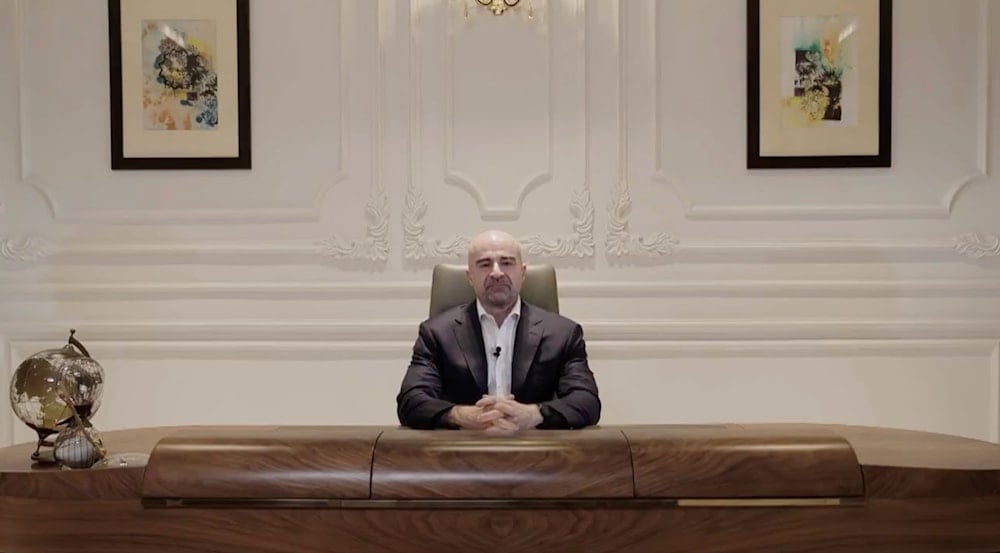
Screenshot from an address given by Bafel Talabani discussing domestic issues on April 12, 2026. (X/@Bafeltalabani)
President of the Patriotic Union of Kurdistan (PUK) Bafel Talabani will visit Tehran on Tuesday at the invitation of Iranian Foreign Minister Abbas Araghchi, Iranian Foreign Ministry spokesperson Esmail Baghaei announced.
Baghaei said the visit will focus on strengthening bilateral relations and consultations over regional peace and stability.
The talks come as Iraqi Kurdistan faces mounting security pressure linked to the activities of armed Iranian Kurdish groups based in the region, amid the wider escalation of the war in West Asia.
Read more: Iranian separatist groups refuse to leave Iraq border area
Talabani to discuss regional stability in Tehran
Talabani’s visit comes at a sensitive moment for relations between Iran and Iraqi Kurdistan, with Tehran increasingly focused on preventing its territory from being used as a launchpad for armed activity against Iran.
Iran has previously struck positions belonging to Iranian Kurdish separatist factions in Iraqi Kurdistan and warned against the use of Iraqi territory for operations targeting the Islamic Republic.
The issue has placed additional pressure on authorities in the Kurdistan Region, which face the challenge of containing armed groups while managing relations with both Baghdad and Tehran.
For Iran, preventing cross-border attacks remains closely connected to the wider security environment surrounding the country, particularly as the regional conflict continues to create opportunities for armed factions and external powers to expand their activities.
Iran raises concerns over armed Kurdish groups
The presence of Iranian Kurdish armed factions in Iraqi Kurdistan has long been a source of tension between Tehran and authorities in the region.
Iran considers several of these groups separatist organizations and has repeatedly demanded that they be disarmed or prevented from conducting military activity against Iranian territory.
The issue has taken on greater significance amid reports of attempts by the United States to mobilize Iranian Kurdish factions as part of pressure on Tehran.
Tehran has therefore repeatedly linked the security of its western frontier to the responsibilities of Iraqi and Kurdish authorities.
Read more: Iraq reopens three border crossings with Iran after security closure


