
IRGC Navy seizes two ships, one Israeli-linked, in Strait of Hormuz
 3 Min Read
The IRGC Navy intercepts two vessels, including an Israeli-linked ship, in the Strait of Hormuz over navigation violations of Iran's closure of the Strait.
-
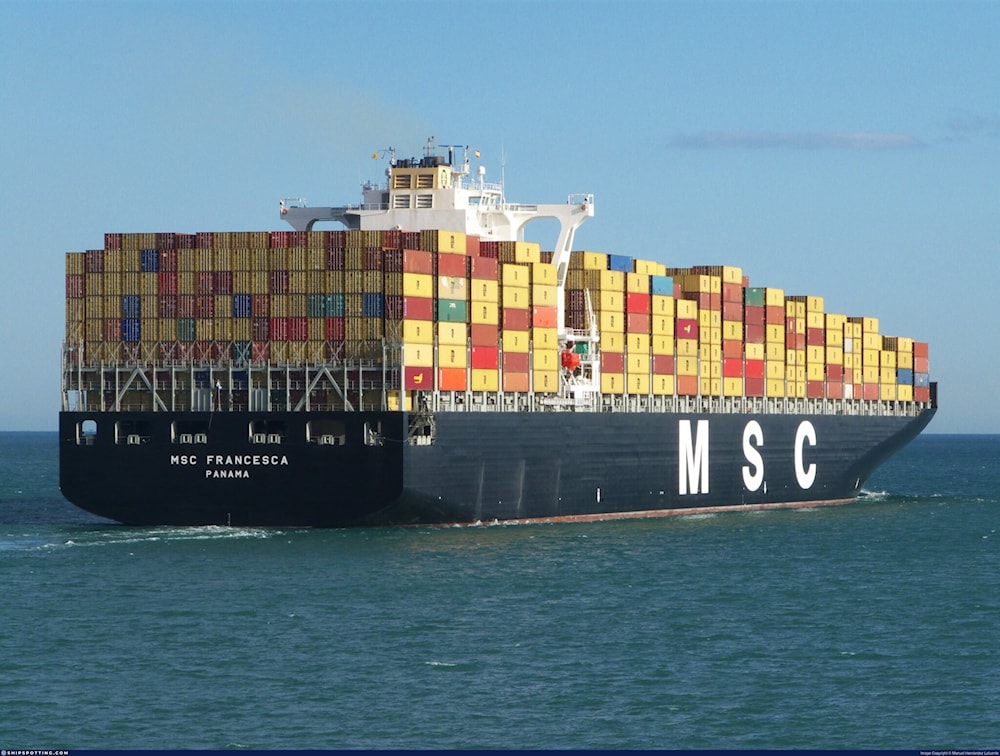
The MSC-Francesca sailing in an undisclosed location, undated (social media)
The Islamic Revolution Guard Corps (IRGC) Navy announced on Wednesday that it has intercepted and transferred two vessels to Iranian territorial waters in the Strait of Hormuz as part of ongoing maritime security operations.
According to the statement, the ships identified as the “MSC-Francesca”, which was linked to "Israel", and the “Epaminondas,” were operating without authorization and had repeatedly violated navigation regulations. The IRGC Navy also alleged that the vessels manipulated navigation aid systems in a manner that posed risks to maritime safety.
The IRGC said the ships were attempting to leave the Strait of Hormuz covertly when they were detected and intercepted by its naval units, describing the operation as part of efforts to safeguard Iran’s rights in the strategically important waterway.
It added that the vessels have been transferred to Iranian territorial waters for inspection of their cargo, documentation, and related records, warning that any violations of Iran’s regulations governing passage through the strait or activities deemed to compromise safe navigation will be met with what it described as firm legal action following monitoring and assessment.
Iran warns of violations in the Strait of Hormuz
Earlier, Iranian military authorities said that continued blockade measures, piracy, and maritime interference by US forces in the region would be met with a strong response from Iran’s armed forces.
The statement, published on April 25, came in response to reports that US President Donald Trump had imposed a naval blockade on Iranian vessels attempting to enter or exit the Strait of Hormuz, a key maritime chokepoint for global energy shipments.
Iran’s military command stressed that the United States must recognize that Iran’s armed forces are now, in its words, more capable and better prepared than before to defend the country’s sovereignty and national interests. It also claimed that aspects of Iran’s offensive capabilities had already been tested during what it described as previous acts of aggression.
The command further said Iranian forces are closely monitoring developments and maintaining control and oversight of the Strait of Hormuz, warning that any repeated attacks by the United States or “Israel” would result in what it called “harsher and more severe losses” for both sides.


