
Japan PM Takaichi under pressure over gifts to MPs
 3 Min Read
Japanese Prime Minister Sanae Takaichi faces pressure after gifting catalogues to over 300 LDP lawmakers following the election victory.
-
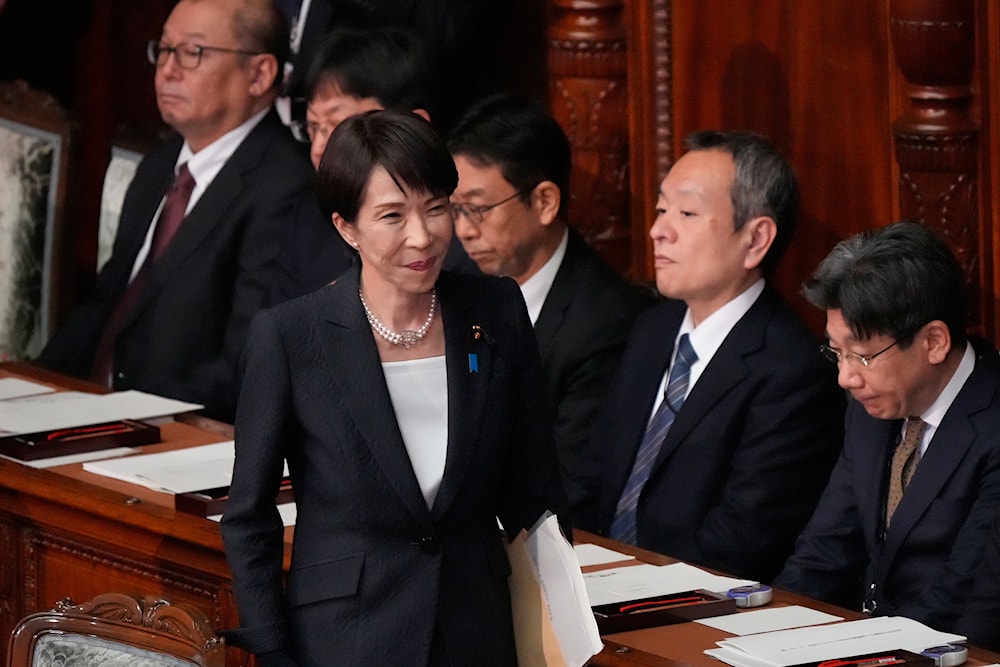
Japan’s Prime Minister Sanae Takaichi walks to her seat to prepare her policy speech during the special Diet session on February 20, 2026, in Tokyo, Japan. (AP Photo/Eugene Hoshiko)
Japanese Prime Minister Sanae Takaichi is facing mounting scrutiny after it was revealed that she provided congratulatory gift catalogues to lawmakers from her ruling Liberal Democratic Party (LDP) following its landslide election victory earlier this month.
The development has triggered renewed debate over political funding practices in Japan, amid lingering public anger over previous financial scandals involving the LDP.
More than 300 lawmakers were reportedly offered the opportunity to select an item from a catalogue, which Takaichi described as “an expression of appreciation for their success at this very tough election” in a post on X. She stressed that no taxpayer funds were used for the gifts.
私が、衆議院総選挙後、自民党の衆議院議員にカタログギフトを配布したとの報道があり、お問い合わせをいただいていますので、事実関係をご説明します。…
— 高市早苗 (@takaichi_sanae) February 24, 2026
According to Takaichi, each gift, including shipping and tax, costs approximately 30,000 yen (around $190) per recipient. The expenses were covered by political funds from an LDP branch in Nara that she heads. She further stated that she hoped the gifts "would be of use in their future work as legislators."
Opposition criticism and public reaction
The revelation has intensified the controversy surrounding the LDP, drawing criticism from opposition leaders.
Junya Ogawa, leader of the main opposition Centrist Reform Alliance, said the news "could easily lead people to say, ‘Prime Minister Takaichi, you too?’" "This is a new development in which she will be strictly held accountable," Ogawa wrote on X. The controversy comes at a politically sensitive time, as voters remain wary of financial misconduct within the ruling party.
Japan's political funding law prohibits individuals from making direct donations to candidates for public office. However, political parties, including their regional branches, are permitted to make such contributions.
Takaichi has maintained that the gifts complied with existing regulations, emphasizing that the funding came from party resources rather than personal donations or taxpayer money. Nonetheless, critics argue that the gesture's optics risk undermining public trust, particularly given its scale of distribution.
Echoes of the 2023 LDP slush fund scandal
The election gift controversy revives memories of the LDP slush fund scandal of 2023, which engulfed the party and forced then-premier Fumio Kishida to step down.
The scandal significantly damaged the LDP’s public standing and contributed to voter dissatisfaction that later cost Shigeru Ishiba’s coalition its parliamentary majority. The latest episode risks reopening wounds from that period and could further test public confidence in the government.
Bunshun Online reported that the catalogues originated from Kintetsu Department Store, a well-known Japanese retailer.
According to the store’s website, customers can make an advance payment of 34,000 yen to send a catalogue to a recipient, who may then select from a range of items, including bicycles, premium crab meat, or luxury hotel stays.
The controversy also recalls criticism directed at Ishiba in March last year, when he was accused of distributing 100,000 yen in gift certificates to 15 first-term lower house members during a dinner. Those certificates were reportedly funded using his own money.
Earlier this month, Japan’s Prime Minister Sanae Takaichi celebrated a decisive electoral victory on February 9, with her ruling coalition having secured a two-thirds majority in the lower house of parliament.


