
Mass deportation policy backfires, tests Trump's midterm agenda
 5 Min Read
Trump’s 2026 immigration policy faces backlash after fatal protests in Minneapolis and aggressive deportation tactics, sparking GOP divisions and midterm concerns.
-
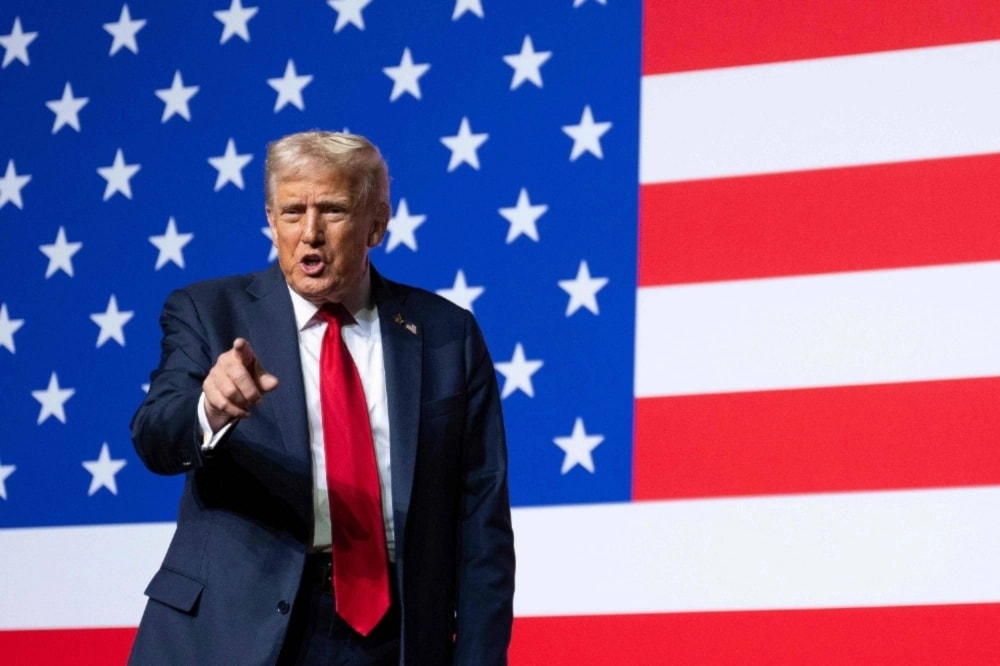
U.S. President Donald Trump departs after addressing senior military officers gathered at the Marine Corps Base Quantico in Quantico, Virginia, on Tuesday. (AFP)
US President Donald Trump's immigration policy is facing unprecedented pressure following the death of two protesters at the hands of federal agents in Minneapolis. The fatal incidents have triggered sharp public criticism and internal rifts within the Republican Party, forcing the administration to recalibrate its messaging and strategy on immigration enforcement.
While the White House initially framed its actions as part of a broader mass deportation campaign, public outcry, especially after the deaths during demonstrations, has compelled a more cautious tone.
Trump's administration now faces a delicate balancing act: satisfying hardline supporters while not alienating moderate Republicans, independents, young voters, and Latino communities.
“If we lose the agenda, we’re done,” said former White House press secretary Sean Spicer, stressing the high stakes as Republicans face a razor-thin majority in Congress. The midterms strategy depends heavily on maintaining momentum around immigration, long considered a core issue for his base.
However, a recent POLITICO poll revealed fractures: one in five Trump 2024 voters believe the deportation efforts are too aggressive, and over a third support the goal but disapprove of how it's being carried out.
Tensions brew
The backlash following the federal response in Minneapolis led to swift personnel changes. Homeland Security Secretary Kristi Noem faced mounting criticism, and Trump dispatched border czar Tom Homan to manage the situation on the ground. Homan reported that meetings with local Democrats were “productive” and said future operations would be more targeted.
“We hope to reduce the Immigration and Customs Enforcement presence in the city if federal officials gain access to state jails,” Homan said, signaling a shift toward de-escalation.
A White House spokesperson emphasized that the administration's commitment to enforcing immigration law remains unchanged but added, “We are always looking for the most effective way to carry out what we see as a voter mandate.”
Immigration hawks vs. swing-state strategy
Despite official statements, conservative voices within the Republican Party are expressing growing frustration. Mike Howell, president of the Oversight Project, criticized the White House for being overly influenced by media optics and donor interests.
“The lame duck second Trump term was supposed to be about getting things done regardless of pressure,” Howell said. “Instead, CNN seems to have more influence than the base that stood by Trump through everything.”
Others within Trump’s inner circle agree that the administration's approach has become too visible and confrontational. “Let’s try to be quieter about it but deport just as many people,” said one unnamed source, calling for more discreet enforcement tactics across areas like Minneapolis.
However, that same source warned that any perceived retreat could further discourage a voter base already under financial strain. “If they don’t believe he means it — holy cow, that’s not good.”
Institutional misconduct
Trump's immigration policy for 2026 has exposed significant tensions between the desire for tough enforcement and the need to maintain public and political support. As midterms approach, how the administration balances its mass deportation campaign with growing criticism could determine both Trump’s political future and the Republican Party’s standing.
At the same time, the US Justice Department is facing intensifying criticism over its handling of two fatal shootings by federal agents in Minnesota, as senior officials aligned with President Donald Trump resist civil rights investigations while aggressively pursuing protesters, journalists, and Democratic officials, The New York Times reported on Friday.
Attorney General Pam Bondi and her deputy, Todd Blanche, have emphasized alleged misconduct by demonstrators, while pressing prosecutors and the FBI to intensify scrutiny of activists, critics of immigration enforcement, and relatives of the victims. Calls to authorize a civil rights probe into the agent who killed Good were rejected, and no final decision has been made regarding Pretti’s killing pending internal “use of force” reviews by homeland security investigators.
Critics say the department has prioritized political loyalty over institutional independence, even as public concern over the Minnesota shootings deepens. While Trump administration officials have defended their actions, arguing that shootings by federal agents are treated like any other case, the controversy has fueled resignations, judicial rebukes, and warnings from state authorities concerned about the preservation of evidence.
As protests continue and scrutiny mounts, the Justice Department has shown little sign of retreating from its confrontational stance, underscoring broader fears that federal law enforcement is increasingly being deployed as a political instrument rather than an impartial guarantor of justice.


