
National unity thwarted enemy plots to destabilize the country: Ejei
 3 Min Read
Iran has emphasized national unity as a cornerstone of domestic stability, with Judiciary Chief Gholamhossein Mohseni-Ejei highlighting mass demonstrations of internal solidarity as a means of blocking attempts to fracture the country.
-
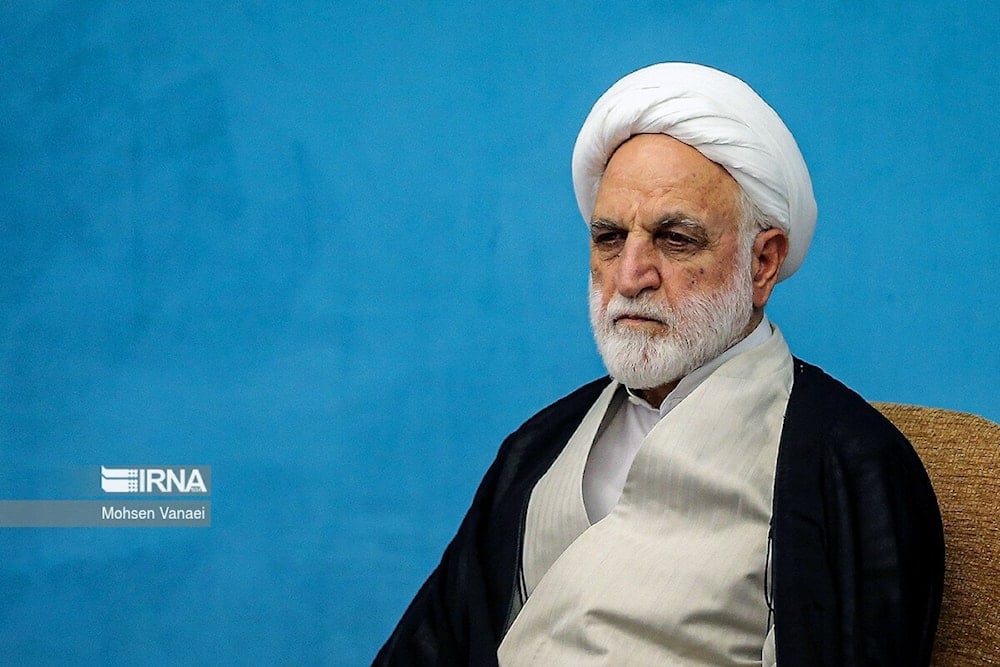
Iran’s Judiciary Chief Gholam-Hossein Mohseni Ejei in an undated picture released by Islamic Republic News Agency. (IRNA)
National unity has thwarted the enemy's efforts to destabilize the country, Iran’s Judiciary Chief Gholamhossein Mohseni-Ejei said, emphasizing that public cohesion remains a key pillar of Iran’s internal strength.
Speaking during a meeting with judiciary officials, Mohseni-Ejei said the unity of the Iranian people is a “thorn in the side of enemies,” accusing foreign actors of attempting to exploit divisions to undermine national stability.
He added that such efforts had failed, stressing that adversaries had placed significant hopes on creating rifts within Iranian society but were unable to achieve their objectives.
Ejei pointed to the mass campaign under the banner "Our souls are devoted to Iran" as a major demonstration of national unity, noting that tens of millions of citizens had taken part in the initiative.
He said the campaign sent a “clear and firm message” that any attempt to target Iran would be futile in the face of the population’s collective will.
According to Iranian officials, more than 30 million volunteers have joined the campaign, which was launched in response to the US-Israeli aggression on Iran that began on February 28.
Authorities say the large public mobilization reflects broad support for the country’s leadership and government, reinforcing Iran’s position both regionally and internationally.
Read more: Iran judiciary chief: Enemy failure in war is fueling division efforts
'Defeated, scarred enemy would not stand idly by'
Earlier remarks from Ejei had already underscored the Iranian rejection of negotiations under pressure and insistence on dialogue based on logic.
Iran does not seek war but does not fear it if imposed, especially when its “dignity is threatened," Mohseni-Ejei stated, while reiterating that Tehran rejects negotiations conducted under pressure.
Speaking in remarks carried by Iranian media on Thursday, Ejei said Iran has “never left the negotiating table” and has consistently supported dialogue based on “logic and rationality."
But "we most certainly do not accept diktats," he asserted.
“Negotiations based on impositions are unacceptable,” Ejei said, adding that officials across the political system are united on this position.
Ejei also said that adversaries who failed to achieve their goals through “aggression and threats” would not succeed in advancing their demands at the negotiating table.
He emphasized that Iran’s diplomacy operates in alignment with its broader strategic posture, describing it as an extension of the country’s field policies under the leadership of Sayyed Mojtaba Khamenei.


