
Netanayhu told Trump not to bomb Iran over poor defensive capabilities
 4 Min Read
Reports say Netanyahu urged Trump not to strike Iran, warning that the Israeli occupation lacked defenses against retaliation and that US forces were insufficient in the region.
-
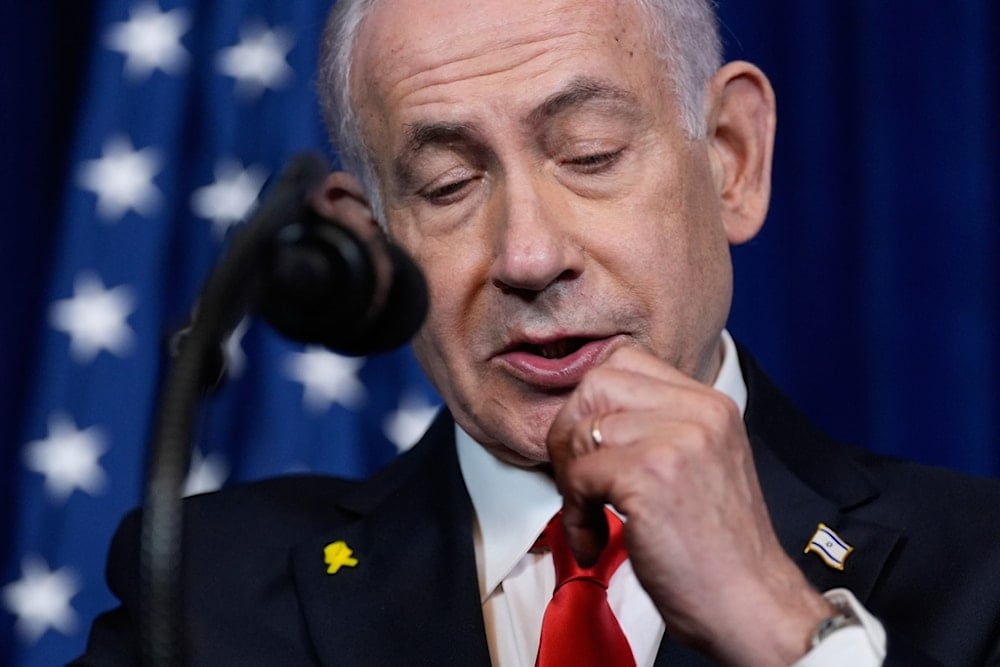
Israeli Prime Minister Benjamin Netanyahu speaks during a news conference with US President Donald Trump at Mar-a-Lago, Monday, December 29, 2025, in Palm Beach, Florida (AP)
Israeli Prime Minister Benjamin Netanyahu urged US President Donald Trump not to carry out planned military strikes against Iran, citing serious concerns over the Israeli regime's defensive capabilities in the case of a potential Iranian retaliation, according to a report published by Axios.
Citing US and Israeli officials, the report said Netanyahu warned that the Israeli occupation was not adequately prepared to withstand a large-scale retaliatory response from Tehran, particularly missile and drone attacks. He also pointed out that the US lacked sufficient military assets in the region to assist in intercepting Iranian strikes.
According to one of Netanyahu’s advisers quoted by Axios, the Israeli prime minister also expressed doubts about the effectiveness of Washington’s proposed military plan, arguing that it would fail to achieve its intended objectives.
The phone call between Trump and Netanyahu reportedly took place on Wednesday, January 14, at a time when the US president was considering launching airstrikes against Iran.
Saudi concerned over strikes on Iran
Axios also reported that Saudi Crown Prince Mohammed bin Salman raised objections to the potential strikes during a separate phone call with Trump, warning of serious risks to regional stability and security.
The report said Trump ultimately decided against authorizing the attack due to a combination of factors, including the lack of sufficient US military resources in the region, warnings from key regional allies such as the Israeli occupation and Saudi Arabia, concerns among senior advisers about the effectiveness and consequences of a strike, as well as secret backchannel communications with Iranian officials.
Amid ongoing unrest inside Iran, Trump later canceled all direct contacts with Tehran, publicly expressed support for the ongoing riots, and signaled that all options remained on the table, including military action. Iranian officials, for their part, said the US president’s statements amounted to threats against the sovereignty of the Islamic Republic.
US reverses course on aggression
A friendly regional party informed Iran that Washington has reversed course on a plan to carry out military strikes against the country, diplomatic sources in Tehran told Al Mayadeen.
The sources explained that the US decision follows a review of its security and military assessments regarding Iran, as well as the practical implications of potential operations. They added that the decision came after Washington concluded that internal security conditions in Iran had shifted in favor of the Iranian government.
According to the sources, the regional party also conveyed to Tehran that President Donald Trump’s decision was based on evaluations of the potential consequences of launching a large-scale military attack.
Despite this development, Iranian authorities continue to take threats seriously and remain on full alert, while still keeping diplomatic channels open, the sources said.
Gulf countries dissuade Trump from attacking Iran
Earlier on January 15, Saudi Arabia, Qatar, and Oman engaged in a coordinated diplomatic effort aimed at persuading US President Donald Trump to refrain from initiating an attack on Iran, with officials warning that such an action could lead to significant repercussions across the region, AFP reported, citing a senior Saudi official.
The three Gulf states carried out an extensive and urgent last-minute diplomatic effort to persuade President Trump to allow Iran an opportunity to demonstrate good intentions, the official told AFP, adding that diplomatic engagement with both Washington and Tehran was still continuing.
After issuing multiple threats, Trump said he had received assurances from “very important sources on the other side” that Iran would not carry out “executions of demonstrators.”
According to the Saudi official, the diplomatic efforts by the Gulf states were aimed at preventing “an uncontrollable situation in the region” and warning Washington that an attack on Iran could trigger a series of serious regional repercussions.


