
Oman: Iran-US diplomacy still possible amid escalation
 3 Min Read
Oman’s foreign minister said Iran-US diplomacy remains possible despite escalating tensions, noting progress in Geneva talks and urging a return to negotiations.
-
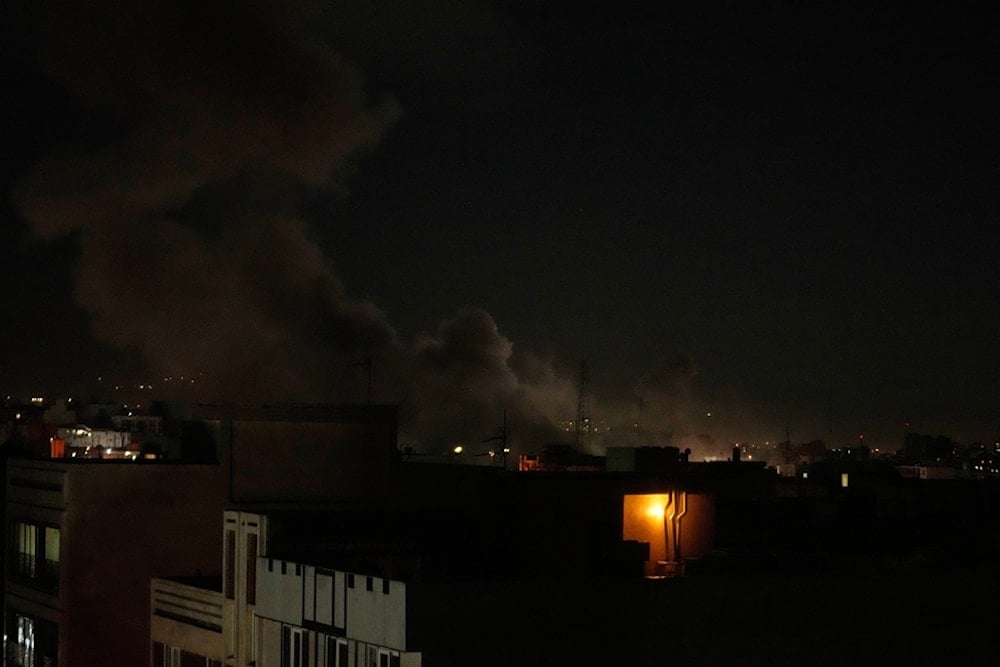
Smoke rises up after a strike in Tehran, Iran, Sunday, March 1, 2026 (AP)
Oman’s Foreign Minister Badr al-Busaidi said that Iran-US diplomacy remains possible despite the ongoing conflict, stressing that negotiations in Geneva had made notable progress toward a potential agreement.
In a statement published on X on Sunday, al-Busaidi underscored that the path to dialogue between Tehran and Washington has not been closed, even amid escalating tensions.
"I want to be very clear - the door to diplomacy remains open. Talks in Geneva made genuine progress towards an unprecedented agreement between Iran and the United States, and although the hope was to avoid war ... I still believe in the power of diplomacy to resolve this conflict. The sooner talks are resumed the better it is for everyone," the minister said on X.
I want to be very clear - the door to diplomacy remains open. Talks in Geneva made genuine progress towards an unprecedented agreement between Iran and the United States and although the hope was to avoid war, war should not mean that the hope of peace is extinguished. I still…
— Badr Albusaidi - بدر البوسعيدي (@badralbusaidi) March 1, 2026
Progress reported in Geneva negotiations
According to the Omani foreign minister, the recent Iran-US talks in Geneva brought the two sides closer to what he described as an “unprecedented” agreement. His remarks suggest that diplomatic engagement between Tehran and Washington had advanced further than previously known.
Oman has previously played a mediating role in regional diplomacy, and al-Busaidi’s statement reinforces Muscat’s position that dialogue remains the preferred path to resolving the Iran-US tensions.
Call to resume Iran-US Talks
Al-Busaidi emphasized the urgency of resuming negotiations, arguing that renewed dialogue would benefit all parties involved. His comments come as tensions persist, raising concerns about broader regional instability.
The statement highlights Oman’s continued support for diplomatic efforts and signals that channels of communication between Iran and the United States may still be viable despite the current crisis.
The Omani foreign minister’s remarks come amid heightened military escalation between Iran, the United States, and "Israel".
Iranian Foreign Minister Seyed Abbas Araghchi said attacks on Tehran would not affect Iran’s military strategy, accusing Washington of betraying nuclear negotiations while reaffirming Iran’s right to defend its sovereignty.
We've had two decades to study defeats of the U.S. military to our immediate east and west. We've incorporated lessons accordingly.
— Seyed Abbas Araghchi (@araghchi) March 1, 2026
Bombings in our capital have no impact on our ability to conduct war. Decentralized Mosaic Defense enables us to decide when—and how—war will end. pic.twitter.com/E4jrdnDapb
According to the Iranian Foreign Ministry, Araghchi also held a phone call with Omani Foreign Minister Badr al-Busaidi, during which he stressed Iran’s commitment to what he described as legitimate self-defense. The contact comes as indirect Iran-US nuclear talks were expected to resume in Vienna, with Oman playing a mediating role between Tehran and Washington.
Read More: Araghchi: Iran decides when and how war will end


