
Over 1,100 bodies in Gaza remain unidentified amid forensic shortages
 4 Min Read
More than 1,100 bodies recovered in Gaza remain unidentified as forensic equipment and DNA testing tools are blocked, according to local and UN officials.
-
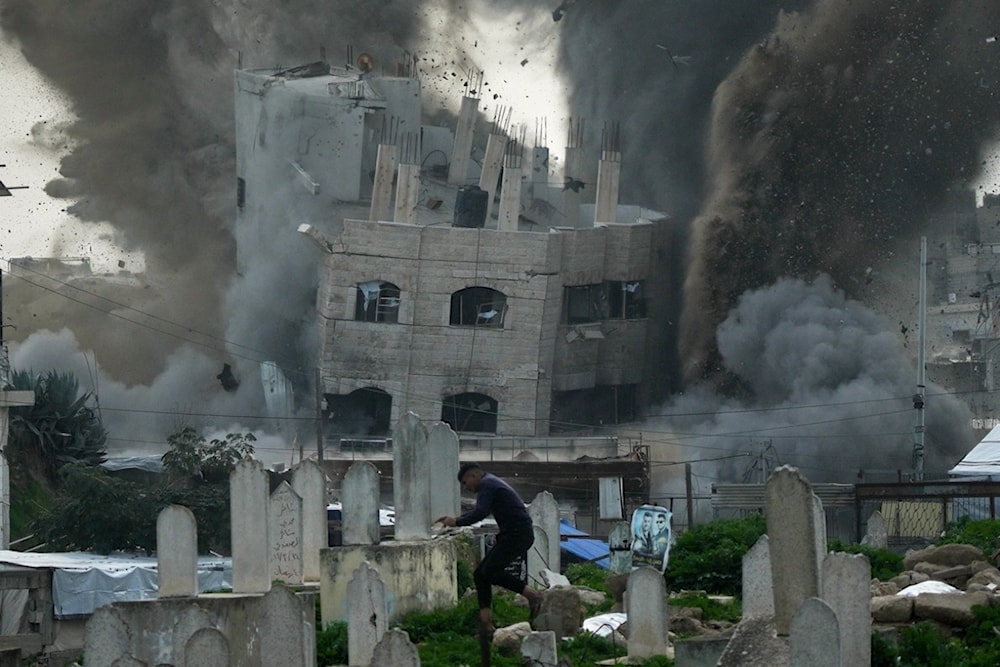
A man runs for cover in a graveyard as smoke rises from an Israeli military strike on a building in the Zeitoun neighborhood of Gaza City, Friday, February 6, 2026. (AP)
More than 1,100 bodies recovered in Gaza since the start of the war remain unidentified due to severe shortages of forensic equipment and restrictions on DNA testing, according to Gaza’s forensic evidence department, The Independent reported.
At least 1,129 bodies have been recovered but could not be identified, a figure officials say likely understates the scale of the problem, given that more than 70,000 Palestinians have been killed since October 2023, with an estimated 10,000 others believed to remain buried under rubble.
Authorities stress the Israeli regime is blocking the entry of excavation machinery and DNA identification tools needed to recover and identify the dead. Of 360 bodies handed over to the Red Cross under a ceasefire agreement, only 101 have been identified.
More than 60 million tonnes of debris remain across Gaza following more than two years of bombardment. The International Committee of the Red Cross said there was only one fully functioning digger in the blockaded territory, significantly slowing recovery efforts.
Bodies buried without identification
Last year, more than 1,000 bodies were recovered from roads, beneath destroyed buildings, and through transfers facilitated by the Red Cross. Many were buried without identification, including 54 unidentified Palestinians buried in Deir al-Balah in October. Others were buried in streets, public spaces, and damaged gardens.
Amid the recovery of the body of the final Israeli captive last month, monitoring groups reported large-scale exhumations, including from cemeteries, by Israeli forces. Palestinian families said the remains of their loved ones were scattered and not reburied respectfully.
The Israeli occupation claimed it acted in accordance with international law and denied allegations of desecrating cemeteries or removing civilian remains despite clear evidence of wrongdoing.
The United Nations Office for Human Rights in the Occupied Palestinian Territory said it was gravely concerned by reports of missing and unidentified bodies, including remains recovered from mass graves, and warned that restrictions on forensic equipment have contributed to improper burials and prolonged distress for families.
Dr. Munir Al-Bursh, Director General of Gaza's Health Ministry, previously described returned bodies as "bound like animals, blindfolded, and bearing horrific signs of torture and burns...They did not die naturally; they were executed after being restrained."
Historical pattern of organ theft
Palestinian authorities in Gaza have formally accused the Israeli regime of systematic organ theft from previously returned bodies, with Dr. Al-Bursh stating that some "were emptied of organs and stuffed with cotton and fabric, while corneas, kidneys, and even a liver were stolen."
Gaza Media Office spokesperson Dr. Ismail al-Thawabta documented earlier cases of bodies missing critical organs, such as "eyes, corneas, and other organs, including livers."
These allegations are not new. In 2009, Dr. Yehuda Hiss, former head of "Israel's" Abu Kabir Forensic Institute, admitted on Israeli television that pathologists "routinely harvested organs from dead bodies without telling families" during the 1990s, taking corneas, skin, heart valves, and bones from Palestinians, Israelis, and foreign workers alike.
The Israeli regime currently holds at least 766 identified Palestinian bodies, 520 in military morgues and 256 in "cemeteries of numbers," unmarked graves in closed military zones. This figure excludes an estimated 1,500 bodies held at the Sde Teiman concentration camp.
The Israeli Supreme Court ruled in 2019 that "Israel's" emergency regulations permit holding Palestinian bodies as "bargaining chips" for future negotiations, a decision human rights organization Adalah called "one of the most extreme Supreme Court rulings since 1948."


