
Pakistan’s $3.5 bln debt repayment to UAE exacerbates tensions: Report
 3 Min Read
Pakistan is set to repay $3.5 billion to the UAE in April, including $450M from 1996–97, adding stress to its foreign currency reserves and external finances under regional tensions.
-
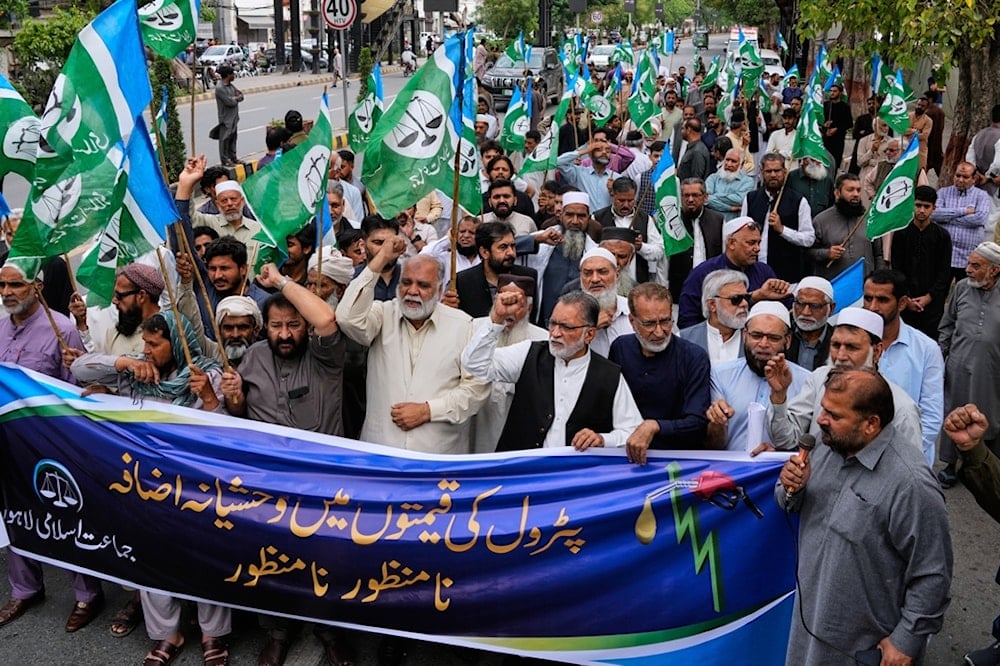
Supporters of Jamaat-e-Islami hold a demonstration to protest against the recently increased fuel prices by government amid surging global oil prices due to Iran war, in Lahore, Pakistan, Friday, April 3, 2026. (AP Photo/K.M. Chaudary)
The UAE is dissatisfied with what seems as growing closeness between Pakistan and Iran during the current phase of the US-Israeli war on Iran, The Week notes, amid UAE officials’ concerns about Pakistan’s foreign policy priorities.
This month, Pakistan is set to repay $3.5 billion to the United Arab Emirates, a senior cabinet minister confirmed during a briefing on Friday, Express Tribune reported.
The announcement came while the minister briefed media personnel in his office. About $450 million of the total amount, initially borrowed in 1996–97 for a one-year period, is scheduled for repayment next week, marking a return of funds after 30 years. This will be followed by a $2 billion payment and an additional $1 million later in the month, according to government officials.
Several senior officials noted that discussions are ongoing to convert part of the debt into potential investments.
No rollover
The UAE had reportedly been reluctant to extend the debt for another year, amid the intensifying US-Israeli war on Iran, which accelerated preparations for repayment. Tensions are further compounded by Pakistan’s growing closeness to Iran during the ongoing war.
The repayment is expected to put significant pressure on Pakistan’s foreign currency reserves, which are already under stress. Analysts warn that using these reserves for debt repayment could limit Pakistan’s ability to manage its external finances. The debt has previously carried interest rates of 3 percent in 2018, which were later increased to 6.5 percent.
In 2018, the UAE extended roughly $2 billion to Pakistan. The country was unable to repay the amount at that time and requested a rollover, and in 2023, Pakistan sought an additional $1 billion to meet its external funding needs.
In total, Pakistan is expected to repay approximately $4.8 billion in April, including Eurobond obligations due on April 8. The country continues to rely heavily on support from allied nations as part of its ongoing program with the International Monetary Fund.
Estimates suggest that repaying these obligations, alongside other outstanding debts, will affect Pakistan’s ability to manage its external financial situation, especially given its reliance on allies’ support and international funding programs.
IMF warns war in West Asia to drive global inflation, slow growth
The International Monetary Fund (IMF) warned that the war on Iran and disruptions in Hormuz would push global prices higher and weigh on economic growth, citing disruptions to key energy, food, and fertilizer supply routes.
The Washington-based institution said that “all roads lead to higher prices and slower growth worldwide” if the war continues to constrain the flow of oil, gas, and agricultural inputs from the Gulf region.
In a blog post authored by senior IMF officials, including chief economist Pierre-Olivier Gourinchas, the organization warned that rising energy and food costs could have both immediate and long-term consequences for the global economy.
The analysis stressed that even a short-lived war could trigger sharp spikes in oil and gas prices, while a prolonged confrontation would sustain elevated costs and strain import-dependent economies. “Historically, sustained oil-price spikes have tended to push inflation higher and growth lower,” the IMF noted.


