
Pentagon says first week of war on Iran cost over $11.3 billion
 3 Min Read
Pentagon officials told Congress the first six days of the war on Iran cost more than $11.3 billion, with expenses expected to rise as additional military operations are counted.
-
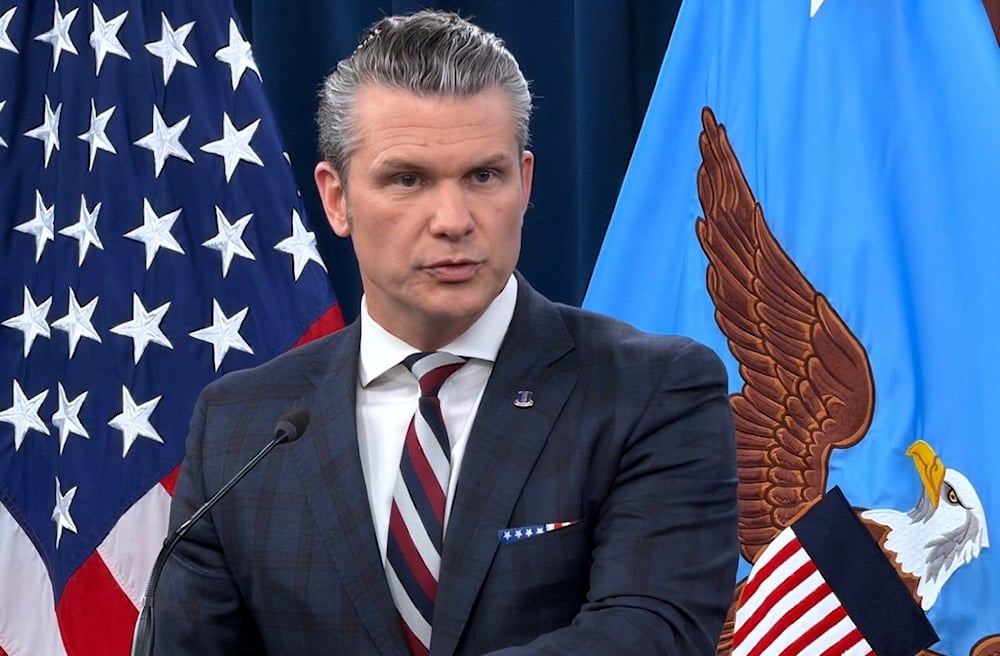
Defense Secretary Pete Hegseth speaks during a press briefing at the Pentagon, Wednesday, March 4, 2026, in Washington. (AP
Pentagon officials told US lawmakers in a closed-door briefing on Capitol Hill that the first six days of the war against Iran have already cost more than $11.3 billion, according to people familiar with the meeting.
The estimate represents the most comprehensive figure disclosed so far, though officials acknowledged it does not include several major costs, such as the buildup of troops and military hardware prior to the initial strikes.
Lawmakers expect the total cost to rise significantly as the Pentagon continues calculating expenses from the opening phase of the war.
Billions spent on munitions
Earlier, a source familiar with the matter told Reuters on Tuesday that the US administration spent about $5.6 billion on munitions during the first two days of strikes against Iran, according to a report provided to congressional committees.
Among the weapons used in the initial bombardment were AGM-154 glide bombs, which cost between $578,000 and $836,000 per unit.
The Pentagon has said it may increasingly rely on cheaper alternatives, such as Joint Direct Attack Munition (JDAM) kits, which cost roughly $38,000 for guidance systems, with the smallest warheads priced at around $1,000.
First 100 hours of US war on Iran cost $3.7 billion: Analysis
According to an analysis by the Center for Strategic and International Studies (CSIS) cited by CNN last week, the first 100 hours of the US-Israeli war on Iran cost approximately $3.7 billion,
The estimate suggests that Washington has been spending more than $890 million per day since the start of the war.
According to the analysis, less than $200 million of the estimated total represents operational costs already included in the Pentagon’s existing budget.
The remaining $3.54 billion will likely require additional funding from the US Department of Defense, either through supplemental appropriations or another reconciliation bill.
Congress is divided over war funding
The rising cost of the war has intensified debate in Congress over future military spending.
Some Republicans, including Senate Republican leader Mitch McConnell, have long pushed for increased investment in US munitions production. However, other lawmakers in both parties have raised concerns about approving additional emergency funding for a potentially prolonged conflict.
Several Democrats have also signaled they may withhold support for new funding requests until the administration provides clearer details about the strategy, objectives, and timeline of the war.


