
Rising oil prices are devastating US families: Araghchi
 4 Min Read
Iranian FM Abbas Araghchi rebuts Trump claims on oil prices, saying Iran’s nuclear proposal was ignored and Americans won’t profit from rising energy costs.
-
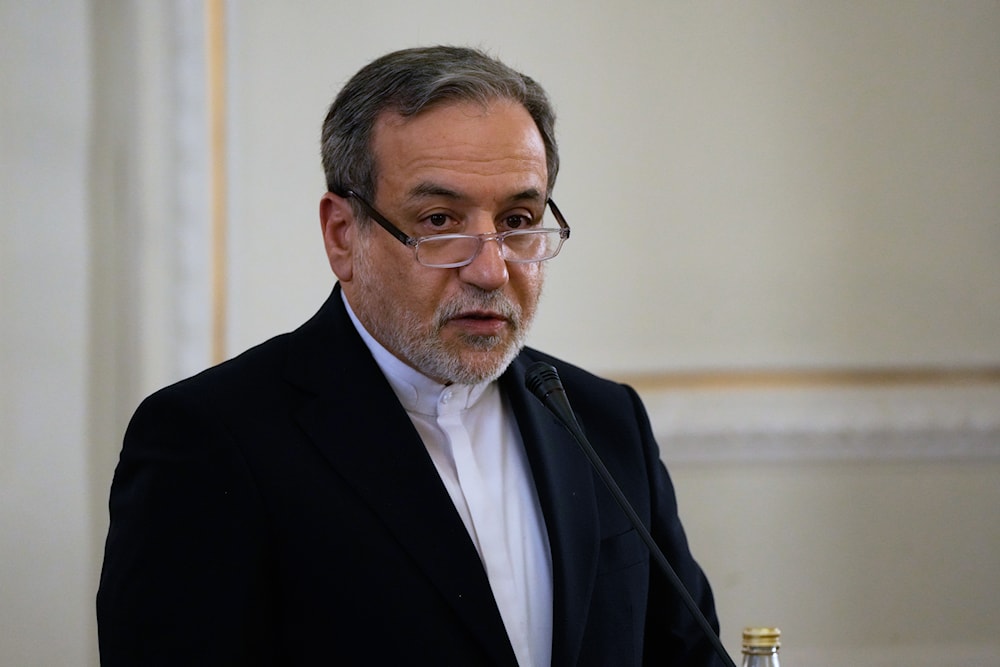
Iranian Foreign Minister Abbas Araghchi speaks in a joint news briefing with his Turkish counterpart Hakan Fidan after their meeting, in Tehran, Iran, on November 30, 2025. (AP Photo/Vahid Salemi)
Iranian Foreign Minister Abbas Araghchi stressed that knowledge and policy decisions must be grounded in facts, responding to comments by US President Donald Trump regarding rising oil prices and the Iranian nuclear program.
In a post on X, Araghchi pointed to two cases that he said demonstrate the consequences of ignoring factual and technical realities.
Factual knowledge matters.
— Seyed Abbas Araghchi (@araghchi) March 12, 2026
Case 1: Iran's proposal to ensure NO NUCLEAR WEAPONS was dismissed because U.S. counterparts didn't grasp the technical details.
Case 2: Americans won't "make money" from surging oil prices and tariffs. They enrich corporations and crush households.
Araghchi said the Iranian proposal aimed at ensuring "no nuclear weapons" was sidelined because American counterparts failed to grasp its technical details.
According to Araghchi, the proposal was intended to address concerns related to Iran's nuclear program, but didn't receive proper consideration due to a lack of technical understanding on the US side.
Trump claims US benefits from rising oil prices
The Foreign Minister also challenged Trump's remarks, suggesting that higher oil prices benefit the United States economically.
Trump had previously said in a post on his Truth Social platform that the United States is the world’s largest oil producer by a significant margin and therefore stands to gain substantially from rising oil prices. He wrote that when oil prices increase, "the United States reaps huge profits."
Trump added that his primary objective as president is to prevent Iran from obtaining nuclear weapons. He said that "the most important thing for him as president is to prevent Iran from acquiring nuclear weapons and destroying the Middle East, and indeed the entire world," adding that "he will never allow that to happen."
Rising oil prices and their impact on Americans
Araghchi disputed the idea that higher oil prices automatically benefit Americans. He argued that rising prices tend to enrich large corporations while placing a heavier burden on ordinary families.
While Trump believes the United States could benefit from higher oil prices as a major producer, many economists emphasize that the most immediate effects are felt by American consumers through inflation and higher living costs.
Economic reports indicate that Americans are already experiencing the impact of rising energy prices. The average price of gasoline in the US has reached around $3.60 per gallon, while global oil prices have exceeded $100 per barrel.
Some analysts warn that the current oil price surge could trigger long-term inflationary pressures similar to those experienced following the coronavirus pandemic, as higher energy costs ripple across the broader economy. Experts caution that if instability in global oil markets continues, the economic effects could persist for years.
Trump says US will release oil from strategic reserves
In a related context, on Wednesday, US President Donald Trump said that Washington will release oil from the Strategic Petroleum Reserve (SPR) as energy prices surge amid the ongoing war on Iran.
Speaking during a visit to Ohio, Trump said the move aims to ease pressure on fuel prices. "I filled it up once, and I’ll fill it up again, but right now, we’ll reduce it a little bit, and that brings the prices down", he said.
Trump did not specify how much oil would be released or when the drawdown would begin.
The announcement came hours after the International Energy Agency (IEA) said its member countries agreed to release a record 400 million barrels of oil from national reserves in a coordinated effort to stabilize global markets.
Oil prices surged to their highest levels since the start of the war in Ukraine in 2022, briefly hitting $120 per barrel on Monday before retreating below $90 after Trump suggested the conflict could end soon. Prices at the pump have jumped nearly 50 cents in the span of a week.


