
Saudi Arabia unlikely to re-occupy Mokha, losing Bab al-Mandab
 4 Min Read
Saudi Arabia faces mounting pressure as the Yemeni Armed Forces' advance threatens key shipping routes and disrupts Riyadh’s oil export strategy.
-
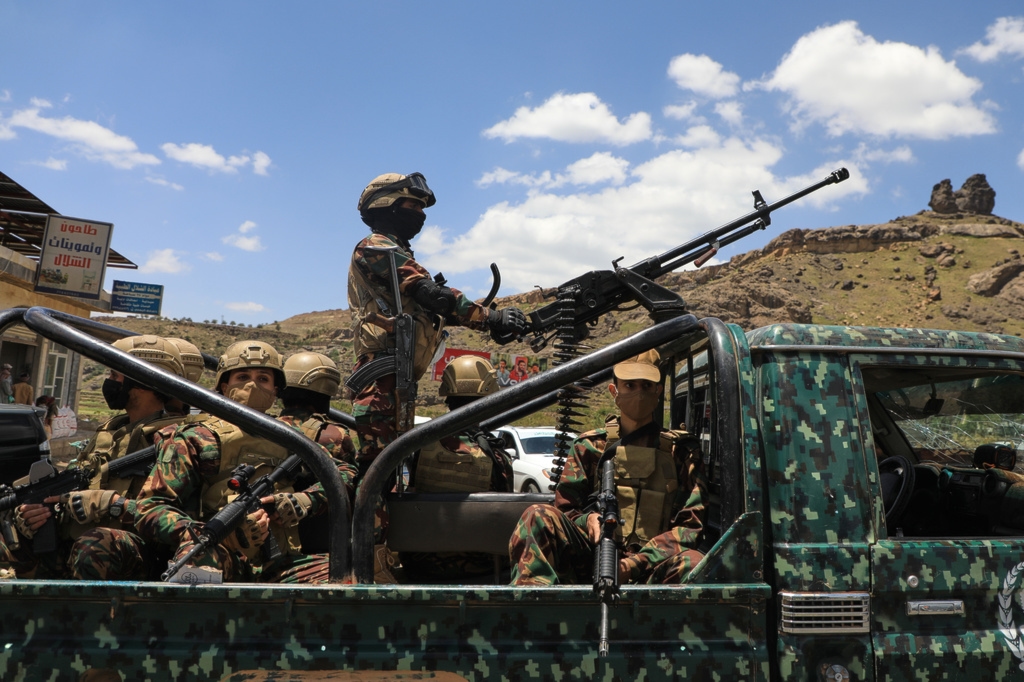
Yemeni fighters escort a convoy carrying prisoners freed in Mokha through the Bani Matar district on its way to Sanaa, Yemen, Saturday, September 12, 2026 (AP)
Saudi Arabia is struggling to halt the Yemeni Armed Forces’ advance and is unlikely to re-occupy the key Red Sea port of Mokha, which the group reclaimed last week, according to assessments by several Western European militaries cited by Bloomberg.
The setbacks are putting growing pressure on Saudi Arabia and its de facto leader, Crown Prince Mohammed bin Salman, as the US war on Iran, which Riyadh backed, increasingly spills into the kingdom’s military, energy, and economic interests.
The Saudi-backed forces and their allies in Yemen have struggled to contain Ansar Allah’s latest advances, according to the assessments. The loss of Mokha could further strengthen Sanaa’s position along Yemen’s western coastline and tighten its control over access to Bab al-Mandab, a strategic maritime chokepoint for global shipping and energy markets.
Earlier today, Saudi Arabia informed its European customers of the cancellation of some crude oil shipments scheduled for loading in late September, Reuters reported, citing three informed sources.
The latest escalation was initiated by Saudi Arabia when it bombed Sanaa International Airport, while continuing the years-long siege imposed on Yemen. Sanaa had repeatedly demanded an end to the blockade and the reopening of the airport before launching its current counteroffensive.
Saudi Arabia’s energy routes come under pressure
The kingdom had even benefited from higher crude prices while relying on a land-based pipeline to bypass the Strait of Hormuz and maintain oil exports amid disruptions to maritime traffic.
That advantage has since eroded. The Yemeni Armed Forces have been responding to Saudi attacks and violations daily, have advanced and regained sovereign territories on Yemen's western coastline, automatically strengthening their position in Bab al-Mandab.
At the same time, Riyadh was forced to shut down the pipeline carrying crude to its Red Sea ports last week, according to Bloomberg.
The pipeline had provided Saudi Arabia with an alternative export route that reduced its dependence on shipments passing through the Strait of Hormuz. Its closure therefore adds another layer of pressure on the kingdom’s energy infrastructure and export strategy.
Battlefield setbacks add to pressure on Riyadh
The struggle to counter Sanaa comes as Saudi Arabia and its allies face an increasingly difficult military situation in Yemen.
The assessments cited by Bloomberg indicate that Riyadh is unlikely to regain Mokha, despite its strategic importance on the Red Sea coast. The port’s loss could further complicate Saudi efforts to secure maritime access and contain Ansar Allah’s growing influence in western Yemen.
The military setbacks are unfolding alongside a bleak economic outlook, leaving MBS facing mounting pressure on multiple fronts.
The combination of Ansar Allah’s battlefield gains, disruption to Saudi oil infrastructure, threats to key maritime routes, and worsening economic conditions has brought the kingdom to a critical juncture amid the war launched by US President Donald Trump against Iran.
Riyadh scrambles for help
The security situation has raised concerns among Saudi Arabia and other countries in the region over a scenario in which Washington reaches understandings with Iran and the Yemeni Armed Forces while Saudi Arabia and other states remain exposed to unresolved threats and continued attacks.
Therefore, "Israel" and Saudi Arabia held talks mediated by US Central Command on providing Riyadh with intelligence assistance to defend itself against the YAF, The Jerusalem Post reported, citing diplomatic sources in West Asia.
Riyadh has also been frustrated by Trump’s refusal to launch military action against the group, The New York Times and Israeli media reported. MBS had invested heavily in the relationship with Trump and his family, with Riyadh spending billions of dollars and extensive political capital on building personal ties.
But when the crown prince asked Trump last week to take military action against the Yemeni Armed Forces, the president declined, the NYT reported, citing officials familiar with the conversations.
Despite them continuing to bomb Yemen daily, Saudi officials have tried to convey that the kingdom does not want to fight the Yemeni Armed Forces alone, particularly after an earlier Saudi-led military aggression against the group developed into a decade-long quagmire.
Read more: 'Israel' watches with concern as YAF tighten grip on Bab al-Mandab


