
SpaceX IPO listing shows aggressive AI shift, trillion dollar ambition
 3 Min Read
SpaceX’s IPO filing reveals Elon Musk’s AI ambitions, Starlink profits, mounting xAI losses, and plans for orbital computing.
-
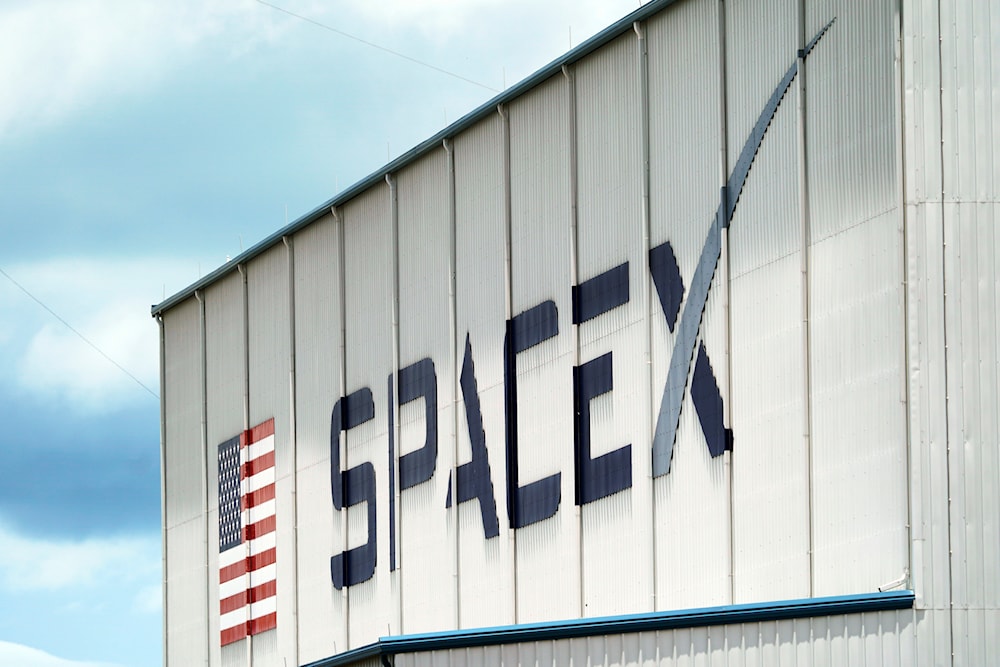
A SpaceX logo is displayed on a building, May 26, 2020, at the Kennedy Space Center in Cape Canaveral, Fla (AP)
SpaceX has released its long-anticipated IPO filing, offering a rare look into the company’s finances and strategic direction as it prepares for what could become one of the largest public listings in history. The filing highlights Elon Musk’s growing bet on artificial intelligence and outlines ambitions to transform the rocket manufacturer into a broader AI and space computing powerhouse.
According to the disclosure, SpaceX’s future business model relies heavily on technologies that remain largely theoretical, including space-based data centers and long-term Mars operations. The company projects potential revenue streams tied to markets that do not yet exist, with ambitions extending to orbital computing infrastructure powered by solar energy and massive-scale AI systems in space.
Financially, the filing shows a company still anchored by its satellite internet division, Starlink, which generated an operating profit of $1.19 billion in the first quarter.
However, this was outweighed by losses across other segments, leaving SpaceX with a total operating loss of $1.94 billion on $4.69 billion in revenue. Its artificial intelligence division alone accounted for $2.47 billion in losses on $818 million in revenue, reflecting heavy spending following Musk’s acquisition of xAI.
Musk expected to retain most voting power after listing
The filing also underscores Musk’s dominant control over the company, with a dual-class share structure that grants insiders 10 votes per share compared to one vote for public investors. As a result, Musk is expected to retain 85.1% of total voting power even after the listing, significantly limiting shareholder influence over corporate decisions.
SpaceX is targeting a valuation of up to $1.75 trillion in its public debut, which would surpass Saudi Aramco’s record-setting 2019 IPO. The company is reportedly aiming to raise more than $75 billion, with trading potentially beginning as early as June. If achieved, the valuation could place Musk on a trajectory toward becoming the world’s first trillionaire.
The filing comes as SpaceX prepares for a test flight of its next-generation Starship rocket and continues to expand its satellite network, which has made the company the largest space operator globally since its founding in 2002. Analysts, however, note that the company’s valuation is increasingly tied to Musk’s vision rather than traditional financial benchmarks, given the lack of comparable firms in the market.
SpaceX’s disclosure also highlights the deepening integration of Musk’s broader business empire, often referred to as the “Muskonomy,” spanning Tesla, xAI, and other ventures. The company’s AI infrastructure efforts already include multi-billion-dollar contracts, such as arrangements for compute services tied to large-scale data centers in the United States, while its chatbot systems have also drawn legal scrutiny over content-related issues.


