
Strait of Hormuz undersea cables vulnerable, risk global outage: IRGC
 4 Min Read
Iran's Islamic Revolution Guard Corps says damage to cables in the Strait of Hormuz could trigger outages across the Gulf and disrupt global connectivity.
-
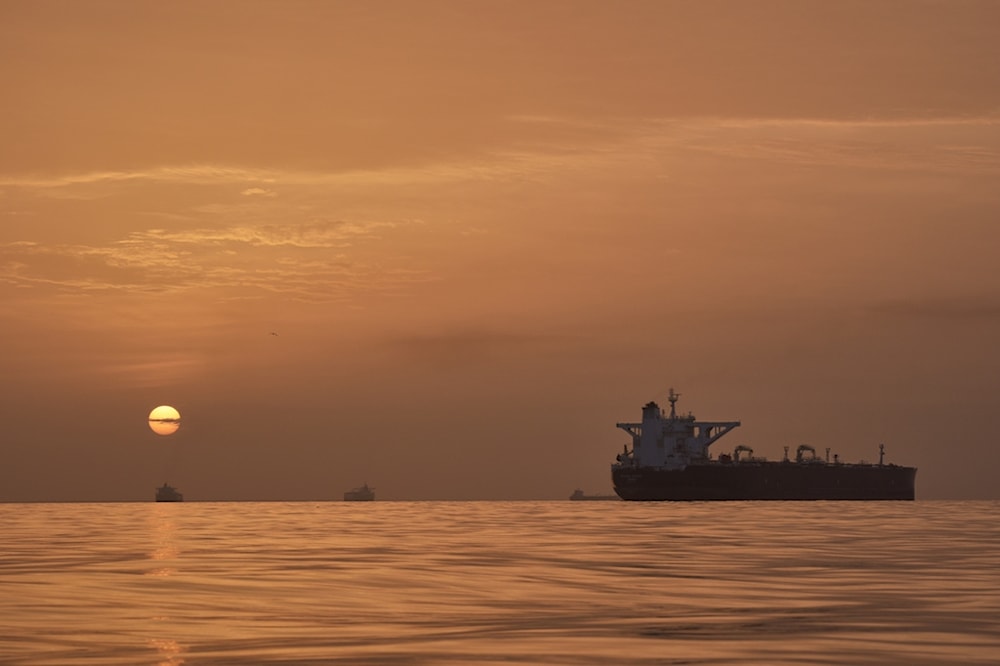
The sun rises behind tankers anchored in the Strait of Hormuz off the coast of Qeshm Island, Iran, Saturday, April 18, 2026. (AP Photo/Asghar Besharati)
Iran’s Islamic Revolution Guard Corps (IRGC) has warned that undersea data cables in the Strait of Hormuz are vulnerable to disruption, highlighting the risk of regional and global connectivity outages, according to Iranian media reports on Wednesday.
Tasnim news agency reported that the IRGC highlighted the risks facing the dense network of fiber-optic cables running beneath the strategic waterway, cautioning that damage, whether accidental or deliberate, could have far-reaching consequences.
“Simultaneous damage to several major cables, whether through accidents or deliberate action, could trigger severe outages across the Persian Gulf,” the agency said.
Internet traffic flows through Hormuz
The Strait of Hormuz is widely regarded as one of the world’s most critical energy chokepoints, but it also serves as a key digital corridor linking Asia, Europe, and West Asia through a complex web of submarine cables.
These cables are estimated to carry between 17% and 30% of regional internet traffic, forming a backbone for global communications, financial transactions, and cloud-based services. Major technology infrastructure in the Gulf, including data and AI hubs in the UAE and Saudi Arabia, supported by companies such as Amazon, Microsoft, and Google, relies heavily on this network.
Any disruption could therefore extend beyond the region, affecting international data flows, online services, and digital economies.
Regional and global implications
The undersea cable network connects to landing stations in several countries near the Strait of Hormuz, including Oman, the UAE, and Pakistan, placing critical infrastructure within proximity of ongoing regional tensions.
India, one of the world’s largest digital markets, is particularly exposed due to its reliance on these connections for internet services, cloud computing, and digital payments. A disruption could result in slower connectivity, service instability, and economic impacts on its IT and technology sectors.
Separately, Alcatel Submarine Networks, a French state-owned company involved in laying subsea cables, has previously issued force majeure notices to clients, citing unforeseen disruptions affecting operations.
The company has also reported that one of its installation vessels, the Ile De Batz, has been stranded off the coast of Dammam in Saudi Arabia, according to a Bloomberg report.
Bloomberg also reported earlier that Meta had halted work on undersea cable projects, underscoring broader concerns over risks facing critical digital infrastructure in the region.
Iran reopening strait 'impossible' amid US-Israeli ceasefire breaches
The risk of this critical infrastructure is being amplified by developments on the ground. Iranian troops stationed at sea have taken control of two foreign vessels navigating the narrow passage connecting the Gulf to the open ocean, according to a report from The Guardian. The escalating standoff between Tehran and Washington over control of this maritime artery has cast serious doubt on whether diplomatic efforts to restart peace negotiations will move forward.
Iranian Parliament Speaker Mohammad Bagher Ghalibaf, who holds a key position in Iran's political leadership and serves as a chief representative in discussions with foreign powers, declared late Wednesday that reopening the waterway to unrestricted international shipping cannot happen under current conditions. He pointed specifically to the American naval blockade, which he described as "the hostage-taking of the world's economy," along with what he called "Zionist warmongering" and violations of agreed-upon truce conditions.
In a message shared on X, the Iranian parliament speaker asserted that the US and the Israeli occupation "did not achieve their goals through military aggression, nor will they through bullying."
آتشبس کامل وقتی معنا دارد که با محاصره دریایی و گروگانگیری اقتصاد دنیا نقض نشود و جنگ افروزی صهیونیستها در همه جبههها متوقف باشد؛ بازگشایی تنگه هرمز با نقض فاحش آتشبس ممکن نیست.
— محمدباقر قالیباف | MB Ghalibaf (@mb_ghalibaf) April 22, 2026
با تجاوز نظامی به اهداف خود نرسیدند،با قلدری هم نخواهند رسید. تنها راه، پذیرش حقوق ملت ایران است.
The IRGC announced earlier that its maritime branch had intercepted two ships attempting to transit the strait and escorted them to port.
Tasnim news agency reported that the IRGC had leveled accusations against the Panama-flagged MSC Francesca and the Liberia-flagged Epaminondas, claiming both had tried to slip through the waterway without proper authorization by "attempting to exit the strait of Hormuz covertly."
The Epaminondas operates under Greek management, and Athens' top diplomat confirmed that an attack had occurred against a cargo vessel bearing Greek ownership. A maritime security monitoring organization based in Britain documented multiple hostile encounters in the strait on Wednesday, including one case where an Iranian military craft approached a ship and opened fire, causing extensive destruction to the vessel's navigation control center.


