
Sudan must address ethnic violence and prevent further escalation: UN
 3 Min Read
UN experts warn of escalating ethnic violence and hate speech in Sudan, highlighting atrocities in El Fasher committed by the RSF.
-
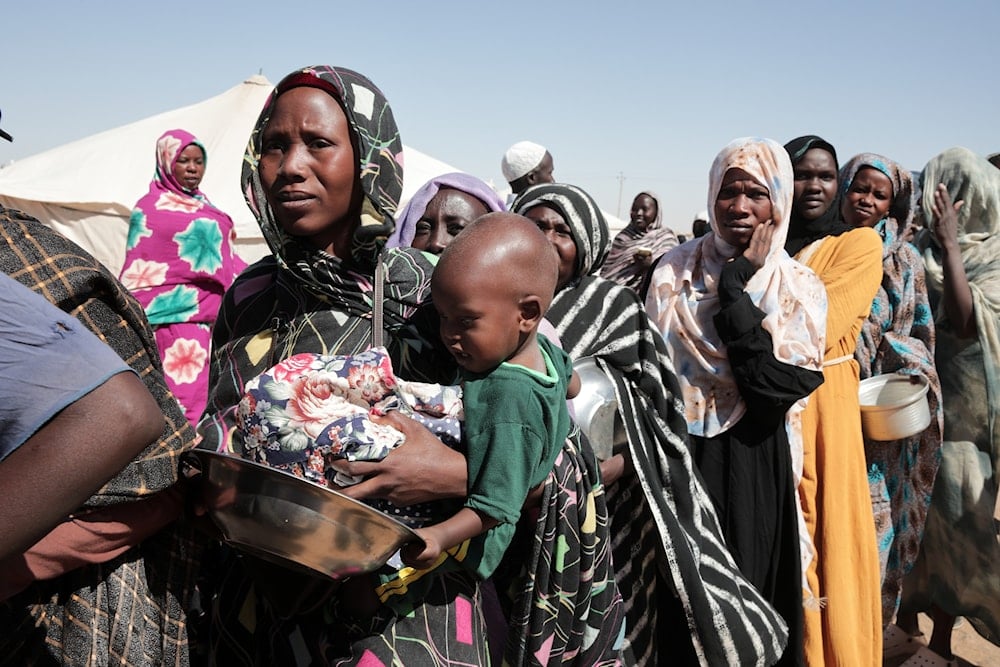
Sudanese women displaced from El Fasher stand in line to receive food aid at the newly established El-Afadh camp in Al Dabbah, in Sudan's Northern State, on November 16, 2025. (AP Photo/Marwan Ali)
UN anti-racism experts have raised alarm over a surge in dehumanizing language, hate speech, and ethnically motivated human rights violations in Sudan, particularly against the Fur, Masalit, and Zaghawa communities.
The abuses committed by the Rapid Support Forces (RSF) and affiliated groups have been especially severe in El Fasher, North Darfur, the UN Committee on the Elimination of Racial Discrimination said on Tuesday.
Issuing a decision under its early warning and urgent action procedures, the Committee highlighted that Sudan is facing one of the world's most severe displacement crises, with over 7.2 million internally displaced persons (IDPs) and more than 3 million refugees in neighboring countries. This crisis is compounded by widespread famine and the breakdown of humanitarian access.
The Committee noted that following the fall of El Fasher on October 26, 2025, after a 540-day siege, RSF and allied forces reportedly committed atrocities and ethnically motivated violations, including:
- Killings, torture, and summary executions
- Arbitrary detention of civilians
- Widespread and systematic use of rape and sexual violence as weapons of war
- Attacks on healthcare facilities, including the killing of patients and the denial of medical care
- Direct assaults on humanitarian workers and aid blockades
- Violence Expands in Kordofan Region
In addition to Darfur, the Committee expressed concern over intensifying violence in the Kordofan region, driven by ongoing clashes between the Sudanese Armed Forces (SAF) and the RSF and their allied forces.
It urged Sudan to take immediate and effective measures to halt the escalation of ethnic violence, and to combat racist hate speech, particularly the use of dehumanizing language and incitement to racial hatred.
Call for accountability and justice
The Committee called on Sudanese authorities to conduct prompt, impartial, and transparent investigations into all alleged human rights and humanitarian law violations, particularly those with ethnic motives. It stressed the need for prosecution and punishment of perpetrators, including commanders, as well as full reparations for victims and their families, regardless of ethnicity, and cooperation with the Independent International Fact-Finding Mission for the Sudan, particularly to investigate crimes in and around El Fasher
Reiterating its earlier calls, the Committee urged all parties to the conflict to immediately cease hostilities and work toward a permanent and unconditional ceasefire. It called for an inclusive national dialogue involving all ethnic groups in Sudan, aiming for a peaceful resolution to the conflict and the restoration of a civilian-led government.
On Tuesday, the UN refugee agency stated that the RSF made significant territorial advances amid the ongoing Sudan conflict, raising fears of a fresh wave of displacement.
Filippo Grandi, the United Nations High Commissioner for Refugees, said the RSF’s recent takeover of the city of El Fasher in Darfur and continued expansion east into the Kordofan region could escalate the Sudan crisis, particularly if violence spreads to major cities.
This month, RSF fighters also seized control of Sudan’s largest oil field. “If that were to be, not necessarily taken, but engulfed by the war, I am pretty sure we would see more exodus,” Grandi told Reuters from Port Sudan.


