
Trump-backed candidate wins tight Colombia presidential runoff
 3 Min Read
US-backed Abelardo de la Espriella wins Colombia’s tight runoff with 49.65%, defeating Ivan Cepeda in a polarised vote amid security fears and violence.
-
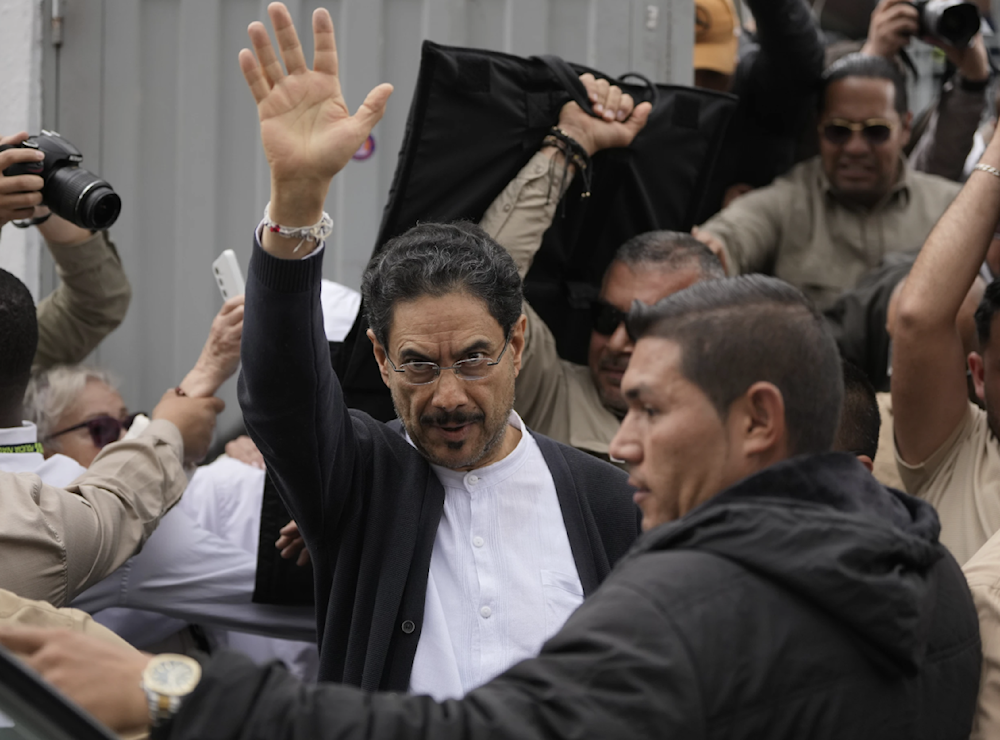
Presidential candidate Ivan Cepeda of the ruling Historic Pact coalition waves after voting in the runoff election in Bogota, Colombia on June 21, 2026. (AP)
A US-backed lawyer with no prior public office experience has narrowly won Colombia’s presidential runoff, marking a decisive shift to the right in a campaign shaped by violence, security fears, and deep political polarization.
With more than 99 percent of polling stations counted, Abelardo de la Espriella secured 49.65 percent of the vote, edging out left-wing Senator Ivan Cepeda, who finished with 48.70 percent. The margin amounted to only a few hundred thousand votes after a tightly contested race.
Close result follows highly polarized campaign
The runoff unfolded after a tense election period marked by guerrilla bombings, repeated threats against candidates, and the killing of a prominent conservative presidential hopeful.
In the capital Bogotá, supporters of De la Espriella gathered as results became clear, wearing the national football jersey he adopted as a campaign symbol, waving flags and sounding horns in celebration.
Despite the narrow margin, the result delivered a clear political direction after weeks of instability and escalating rhetoric between the two leading camps.
Shift to the right and Washington alignment
De la Espriella’s victory is expected to ease strained relations with Washington, which has provided Colombia with billions of dollars in military assistance over the years.
The president-elect received US President Donald Trump's “complete and total endorsement,” reinforcing his alignment with a broader regional wave of right-wing political gains across Latin America.
His win also marks a return to power for Colombia’s conservative bloc, which has dominated most of the country’s modern political history.
Security agenda and end of peace negotiations
The incoming president has signaled a hardline security strategy that could reshape Colombia’s fragile peace framework, which formally ended the conflict with FARC guerrillas in 2016 after decades of war.
During the campaign, De la Espriella pledged to immediately end peace talks with dissident armed groups that rejected the accord and to launch a 90-day US-backed air campaign against them.
He has also advocated expanded gun rights, the construction of large-scale prisons, fracking for gas, a reduced role for the state, and the dollarization of the economy.
Divided reactions across Colombia
Supporters of De la Espriella welcomed the result as a turning point for security and governance.
“I’m very happy” said 30-year-old supporter Daniela Oliveros in Barranquilla.
“I believe a lot in the country, I believe a lot in freedom. And Abelardo, at this moment, is giving us above all a sense of security, employment, and dignity” she said.
Concerns over stability and inequality
Opposition voters expressed concern that the new presidency could deepen political tensions and risk reversing gains made since the peace agreement.
Colombia has seen improved conditions in parts of the country over the past decade, but armed groups still control remote regions, cocaine production remains at record levels, and inequality continues to rank among the highest globally.
“I’m very worried about what Abelardo might do in a government,” said Santiago Galindo, a bank worker who voted for Cepeda.
Galindo added concern about “how far his thirst for power could go and his willingness to trample over people without really caring about them.”


