
Trump backs Kurdish operations against Iran
 2 Min Read
Donald Trump says he supports potential Kurdish operations against Iran and signals Washington wants a role in shaping Iran’s future leadership following Sayyed Ali Khamenei’s martyrdom.
-
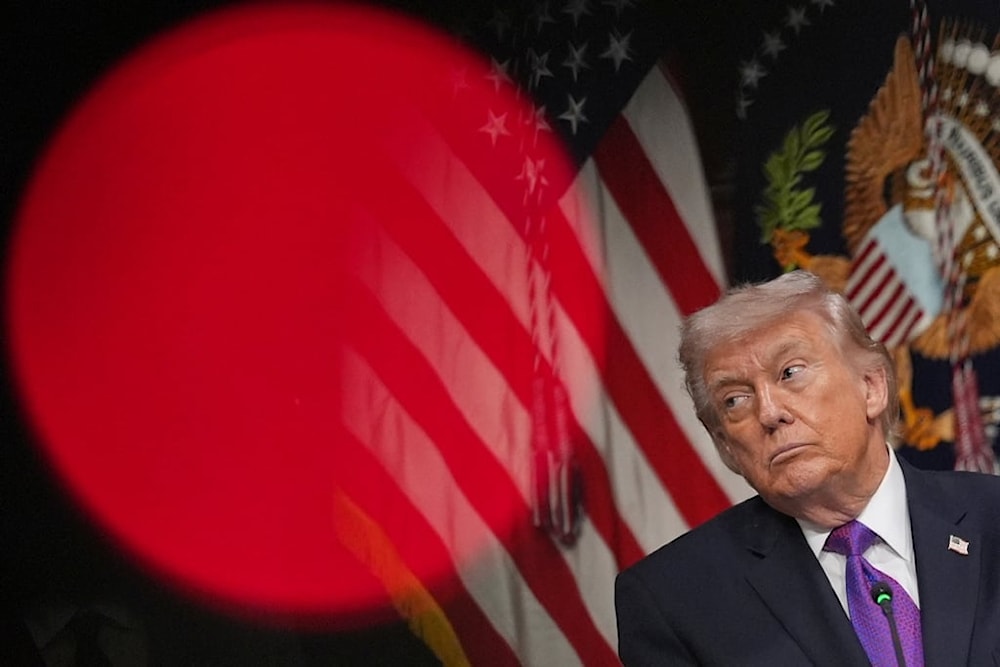
US President Donald Trump listens during an event about the Ratepayer Protection Pledge on Wednesday, March 4, 2026, in Washington. (AP Photo/Jacquelyn Martin)
US President Donald Trump said that he supports Kurdish forces launching operations against Iran during an interview with Reuters on Thursday.
“I think it’s wonderful that they want to do that, I’d be all for it,” Trump said.
When asked if the United States would provide or had offered air cover for any Kurdish offensive, Trump said, “I can’t tell you that,” but added that the goal for the Kurdish forces would be "to win."
"If they're going to do that, that's good," Trump added.
The US president also told Reuters that Washington wants to play a role in the decision process to choose who will take the place of the martyred leader of Iran, Sayyed Ali Khamenei.
"We want to be involved in the process of choosing the person who is going to lead Iran into the future," Trump said. "We don't have to go back every five years and do this again and again."
US policy toward Kurdish forces
Kurdish armed groups in the region have maintained varying levels of cooperation with the United States, particularly in Iraq and Syria. Washington has previously supported Kurdish-led forces in military campaigns, most notably the SDF during the war on Syria.
Iran has repeatedly accused the United States and its regional allies of attempting to use Kurdish militant groups to pressure Tehran along its western borders. Iranian officials have previously warned that foreign support for armed groups operating near Iran could destabilize the region.
Tehran has also conducted several military operations in border areas used by anti-Iran groups based in northern Iraq. Iranian authorities argue that such groups receive foreign backing and pose security threats to the country.
US policy toward Kurdish factions has long been a point of regional controversy, as support for Kurdish armed groups often intersects with broader geopolitical tensions involving Iran, Iraq, Syria, and Türkiye.


