
Trump congratulates Iraq's PM-designate, invites him to Washington
 3 Min Read
Donald Trump congratulated Ali al-Zaidi and invited him to Washington, as his nomination follows months of deadlock shaped by US pressure that critics say continues to influence Iraq’s political sovereignty.
-
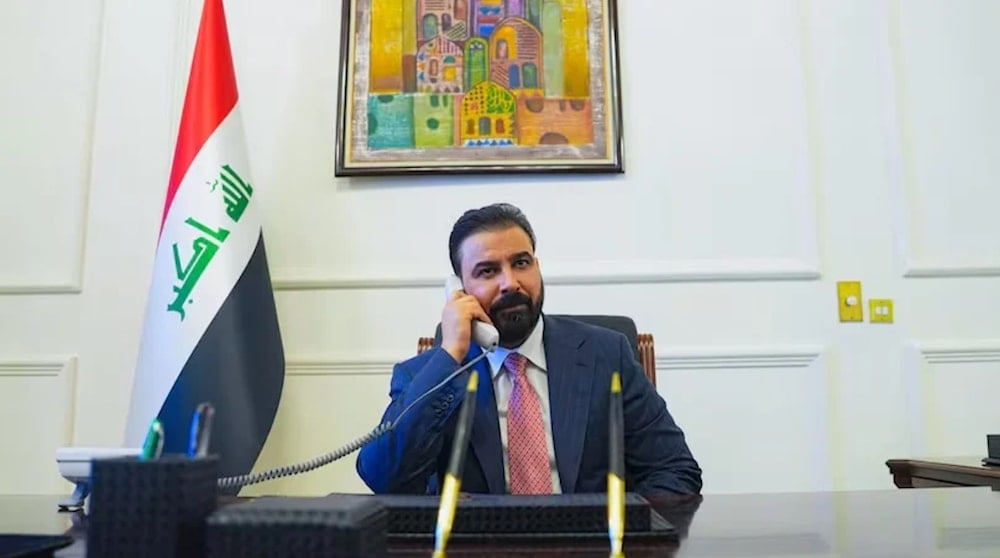
Iraq's designated Prime Minister, Ali al-Zaidi, was appointed Monday as a compromise candidate (AFP)
Donald Trump held a phone call with Ali al-Zaidi following his nomination, extending congratulations and inviting him to visit the United States once a new government is formed.
According to a statement from the prime minister-designate’s office, the two leaders discussed bilateral ties and ways to strengthen cooperation aimed at promoting regional stability. Trump “extended a formal invitation to visit Washington following the formation of the government,” the statement said.
Trump also publicly welcomed Zaidi’s nomination, expressing support for his efforts to form a new administration.
“We wish him success as he works to form a new Government free from terrorism that could deliver a brighter future for Iraq,” Trump wrote on Truth Social.
“This is the beginning of a tremendous new chapter between our Nations -- Prosperity, Stability, and Success like never seen before. Again, Ali, CONGRATULATIONS!”
Pressure shapes leadership
Zaidi’s nomination comes after months of political deadlock following parliamentary elections, with Iraqi factions unable to agree on a candidate to lead the government amid high US pressure and threats of sanctions against Baghdad. His selection follows the nomination by Nizar Amede, who tasked him with forming a cabinet within 30 days.
However, the breakthrough comes against the backdrop of sustained US pressure on Iraq’s political process. Washington had previously threatened to cut support to Baghdad if former prime minister Nouri al-Maliki returned to power.
The threat, issued earlier this year by Trump, placed Iraqi leaders under significant external pressure, as the country remains economically and financially linked to US systems and reliant on security cooperation. Observers note that such measures effectively narrowed Iraq’s political options, pushing factions toward a candidate more acceptable to Washington.
Sovereignty under pressure
From a sovereign perspective, the episode underscores the continued impact of US intervention in Iraq’s internal affairs, more than two decades after the 2003 invasion that reshaped the country’s political landscape. The use of economic and political leverage to influence leadership outcomes reflects what critics describe as ongoing external interference in Iraq’s decision-making process.
Despite this, Iraqi leaders now face the task of forming a government capable of navigating internal divisions while preserving national stability and independence amid competing external pressures.
Read more: US suspends USD shipments to Iraq over Resistance groups, WSJ reports


