
UAE warns against US-Iran escalation, regional crisis could hit Europe
 3 Min Read
UAE Presidential Advisor Anwar Gargash warns that the resumption of the war on Iran would deepen regional instability and threaten energy and trade routes.
-
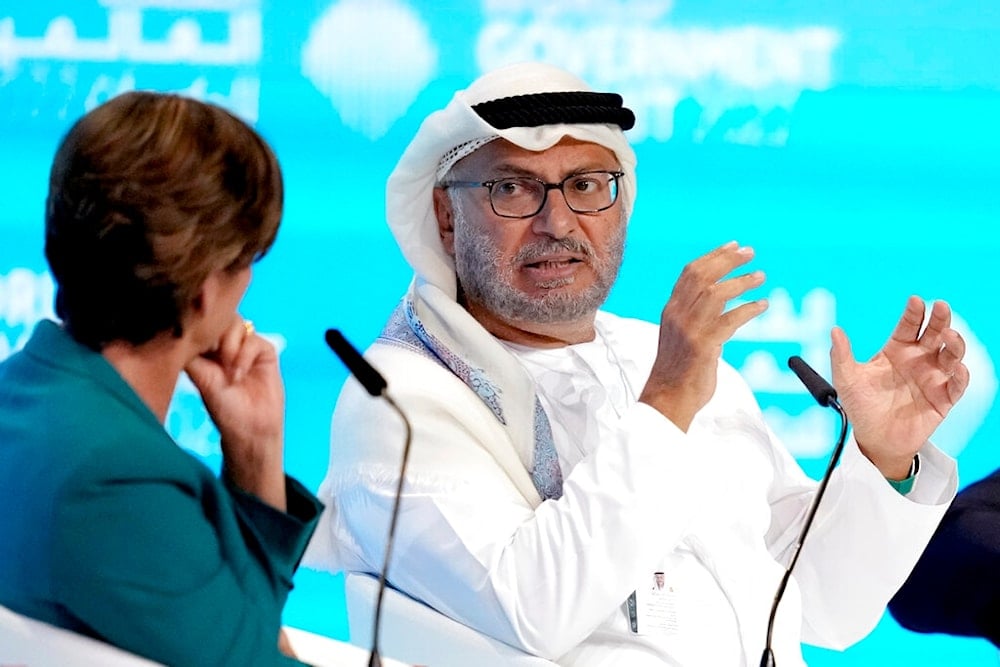
Anwar Gargash speaks during the World Government Summit at the Dubai Expo 2020, in Dubai, United Arab Emirates, Tuesday, March 29, 2022. (AP Photo/Ebrahim Noroozi)
UAE Presidential Advisor Anwar Gargash said on Friday that another round of fighting between the United States and Iran would only further complicate the situation in the region, while warning against any attempt to control the Strait of Hormuz.
Gargash claimed that "any control over the Strait of Hormuz would set a dangerous precedent and would be politicized by Iran," adding that such a move could lead to wider political repercussions. He further said that developments involving the strategic waterway would have consequences extending beyond the Gulf region.
Any disruption or change affecting the Strait of Hormuz would create serious complications for Europe as well, he explained, particularly in relation to energy supplies and international trade.
Europe faces direct repercussions
The Emirati official called on European countries to view the issue not as a distant regional crisis but as a matter directly tied to their own economic and energy interests.
Gargash also reiterated that the UAE supports a political solution to regional tensions, though he expressed concern that diplomatic efforts could themselves become entangled in broader regional complications.
He further stated that any European-led initiative could only begin after the current war subsides, in apparent reference to recent discussions in Paris regarding the formation of a multinational naval force involving around 40 countries.
The remarks come amid rising tensions between Iran and the UAE over Abu Dhabi’s position regarding the US-Israeli aggression against Iran and its ties with “Israel”.
Iran says gaps narrowed with US, disputes remain unresolved
The warnings from the UAE also came as indirect negotiations between Tehran and Washington continue to face significant obstacles, particularly over Iran’s nuclear activities and maritime influence in the strategic waterway.
A senior Iranian source told Reuters on Thursday that no agreement has yet been reached between Tehran and Washington, although the gaps between the two sides have narrowed amid ongoing indirect contacts.
According to the source, Iran’s uranium enrichment program and Tehran’s control over the Strait of Hormuz remain among the principal sticking points.
The remarks came as Iran’s Foreign Ministry stressed that its current priority is ending the war “across all fronts,” while dismissing circulating reports regarding the nuclear file. Iranian Foreign Ministry spokesperson Esmail Baghaei said on Wednesday that the exchange of messages between the Iranian and US sides remains ongoing, based on Tehran’s proposed 14-point framework.
Baghaei added that Iran’s primary focus is centered on “ending the war on all fronts, releasing frozen funds, and halting provocative acts and maritime piracy against Iranian commercial vessels.”
The latest statements come amid continued regional tensions and diplomatic efforts aimed at reaching understandings on a range of issues, including sanctions relief, maritime security, and Tehran’s nuclear activities.


