
UK refugee resettlement via UN drops 26% as legal routes shrink
 4 Min Read
New Home Office figures reveal a sharp decline in refugee resettlement to the UK, prompting warnings from humanitarian groups that shrinking legal pathways are leaving vulnerable people with few alternatives to dangerous journeys.
-
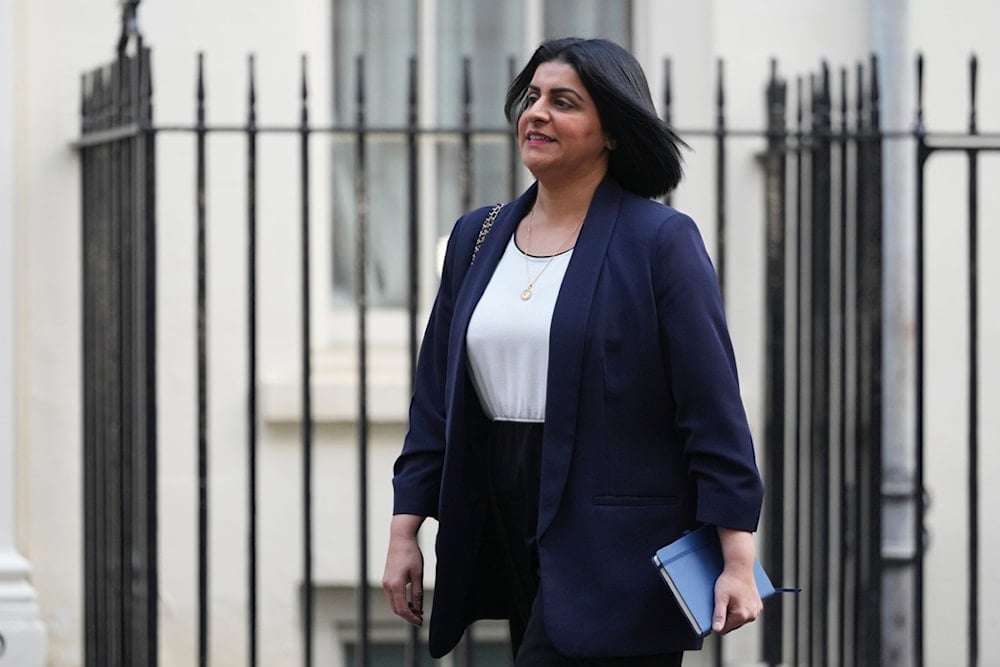
Britain's Home Secretary Shabana Mahmood departs 10 Downing Street in London, Wednesday, Nov. 26, 2025. (AP Photo/Kirsty Wigglesworth)
Newly released Home Office data shows that the number of refugees admitted to the UK through UN-backed and other formal resettlement routes has dropped significantly, raising concerns among humanitarian groups that legal pathways are narrowing just as global displacement reaches record levels.
In the year to September 2025, 7,271 people were granted protection through resettlement programmes, a steep decline from 9,872 during the previous 12-month period. Much of this year’s total reflects the arrival of 3,686 Afghans whose lives were jeopardized after a Ministry of Defence official mistakenly shared personal information belonging to nearly 19,000 applicants with individuals in Afghanistan.
The figures come shortly after Home Secretary Shabana Mahmood defended the government’s tougher asylum strategy while promising to open three new "safe and legal" entry routes. During her announcement earlier this month, she said the new programmes would accept only a "modest" number of people initially, starting with "a few hundred" referred by the UN refugee agency.
Fewer Legal Options for Refugees
Advocates say the new statistics confirm that many of the limited safe routes previously available are shrinking or have been suspended. A pathway that allowed refugees to reunite with family members was halted in September, leaving many without a way to join relatives already in the UK.
Enver Solomon, the chief executive of the Refugee Council, said the data demonstrates that the UK’s current approach is leaving vulnerable people with few viable alternatives to dangerous journeys.
"The sharp fall in resettlement numbers shows that the few safe and legal pathways we had for people escaping war and persecution to get to the UK are disappearing just when they’re most needed," he said. "When legal routes aren’t available, people are pushed towards smugglers and dangerous journeys. The suspension of family reunion, a route that overwhelmingly helped women and children, only makes it harder for families to stay together safely."
He added that if the government intends to curb Channel crossings, it "need[s] to set out how many people it intends to help each year and how it will grow safe routes so families have a genuine alternative to perilous journeys."
Afghan Schemes Dominate Arrivals
Beyond the data-breach cases, another 1,087 Afghans arrived under the Afghan relocations and assistance policy, which offers protection to interpreters and others who supported UK forces. A further 1,658 were admitted through the Afghan citizens resettlement scheme.
Only 830 people entered via the main UK resettlement programme, under which the UNHCR identifies those most in need. The long-standing Mandate scheme, designed to assist refugees with close family members already in the UK, has nearly ground to a halt, admitting just four people over the past year compared with 23 the year before.
New Restrictions and an Uncertain Future
Mahmood’s broader reforms represent one of the most significant overhauls of the asylum system in years. The changes include plans to end permanent protection, require refugees to undergo reassessments every 30 months, accelerate deportations of those whose claims fail, including families with children, and seize assets from people who arrive by small boat.
The UNHCR said it is still awaiting full details of the three new routes Mahmood pledged to introduce.
Meanwhile, under a managed agreement with France designed to regulate cross-Channel movement, the UK has transferred 153 people to French authorities while accepting 134 individuals whose asylum claims were deemed valid.
A Home Office spokesperson defended the government’s approach, saying: "This government committed to protecting genuine refugees who are fleeing war and danger. That is why as part of the most sweeping reforms to the asylum system in modern times, we will open new, legal and safe routes into the country to protect those in need."
Read more: UK to restrict taxi use for asylum seekers going to medical visits


