
US covertly sent Starlink to Iran during foreign-backed riots: WSJ
 4 Min Read
Washington covertly smuggled thousands of Starlink terminals into Iran during January’s unrest, a move Tehran views as part of a broader US–"Israeli" pressure and destabilization campaign.
-
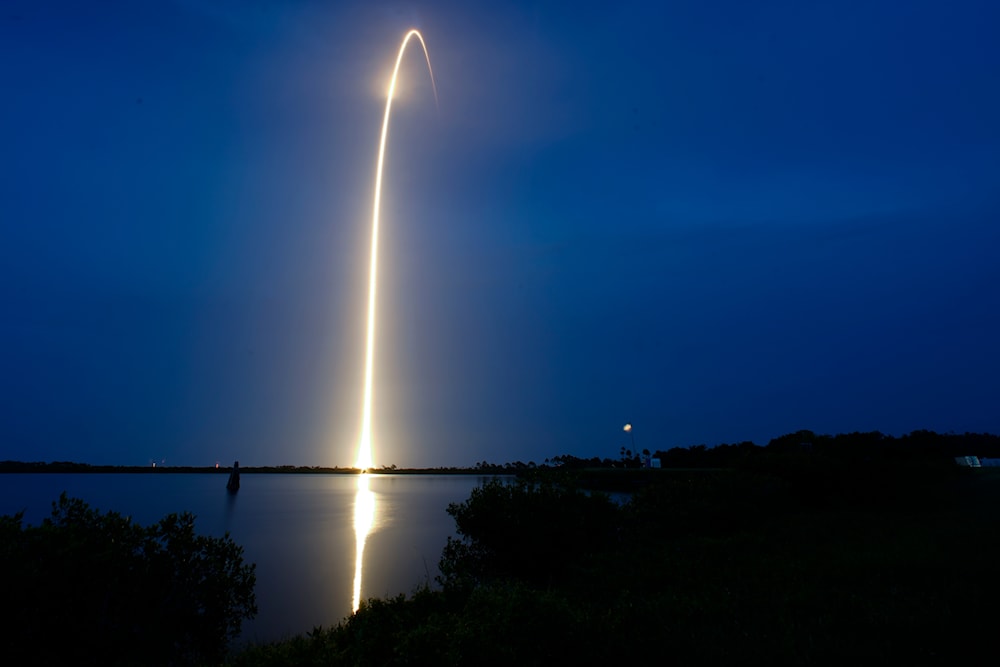
A SpaceX Falcon 9 rocket with a payload of Starlink V2 Mini internet satellites lifts off from Launch Complex 40 at the Cape Canaveral Space Force Station, July 23, 2023. (AP)
The Trump administration covertly sent thousands of Starlink terminals into Iran during the January unrest, according to US officials, in what appears to be a direct technological intervention amid what Iranian authorities describe as a foreign-backed destabilization campaign.
The operation marked the first confirmed instance of Washington directly facilitating the transfer of Starlink satellite internet equipment into Iran, raising serious questions about US involvement during a sensitive national security crisis.
Washington moves to sustain connectivity during unrest
After Iranian authorities moved to contain escalating violence in January, including armed attacks and coordinated sabotage operations, the US reportedly smuggled approximately 6,000 Starlink satellite-internet kits into the country.
The State Department had purchased nearly 7,000 terminals, most acquired in January. Senior appointees within the Trump administration redirected funds from other internet-related initiatives toward the acquisition of the devices.
Donald Trump was aware of the deliveries, officials said, though it remains unclear whether he personally authorized the operation.
The covert deployment effectively enabled communication channels beyond the reach of Iranian state oversight at a time when authorities say foreign-linked networks were attempting to weaponize public grievances and steer protests toward organized violence.
Tehran points to hybrid warfare and foreign intelligence networks
Iranian officials have repeatedly accused Washington and "Israel" of orchestrating a hybrid pressure campaign designed to destabilize the country from within.
According to Iranian security institutions, unrest that initially began with economic grievances was rapidly infiltrated by structured networks tied to foreign intelligence services.
Tehran has cited evidence of weapons smuggling, encrypted communications equipment, and coordinated operational tactics consistent with external planning. Iranian authorities argue that the unrest formed part of a broader strategy of psychological warfare, cyber operations, and street-level destabilization.
While the US has denied directly organizing the demonstrations, the Starlink operation indicates that Washington sought to preserve operational digital infrastructure capable of bypassing Iranian controls during the peak of unrest.
As protests unfolded, Trump publicly encouraged continued demonstrations, stating that “help is on its way.” Analysts said such messaging, coupled with the covert technological support, reinforced perceptions inside Iran that the unrest was being politically amplified from abroad.
The White House declined to comment.
US–Israeli coordination on Iran intensifies
The digital intervention occurred alongside deepening coordination between Washington and "Israel" on Iran policy.
Trump met in Washington with Israeli Prime Minister Benjamin Netanyahu to discuss strategy toward Tehran. The meeting came amid heightened tensions following the unrest and ongoing nuclear negotiations.
In a post on Truth Social, Trump said he preferred resolving the nuclear issue diplomatically. “If it cannot, we will just have to see what the outcome will be,” he wrote.
Iranian officials have long warned that US pressure campaigns and Israeli security doctrines increasingly operate in parallel, combining sanctions, cyber measures, intelligence operations, and regional military deployments.
The US had earlier positioned a carrier strike group, warships, and fighter jets in the region following the unrest in moves Tehran viewed as part of a coordinated escalation framework.
Possession of Starlink terminals illegal under Iranian law
Starlink terminals, developed by Elon Musk, are illegal to possess in Iran and can carry multiyear prison sentences.
Despite legal risks, analysts estimate that tens of thousands of terminals may be in circulation.
Security forces have reportedly conducted inspections targeting unauthorized satellite equipment, as authorities continue efforts to dismantle what they describe as externally supported destabilization networks.
Washington and Tehran remain engaged in sensitive negotiations over Iran’s nuclear program.


