
US Senate passes stopgap bill, delays shutdown fight past midterms
 3 Min Read
The US Senate has voted 90-6 to keep the government funded through December 11, pushing the next shutdown deadline past the November midterms.
-
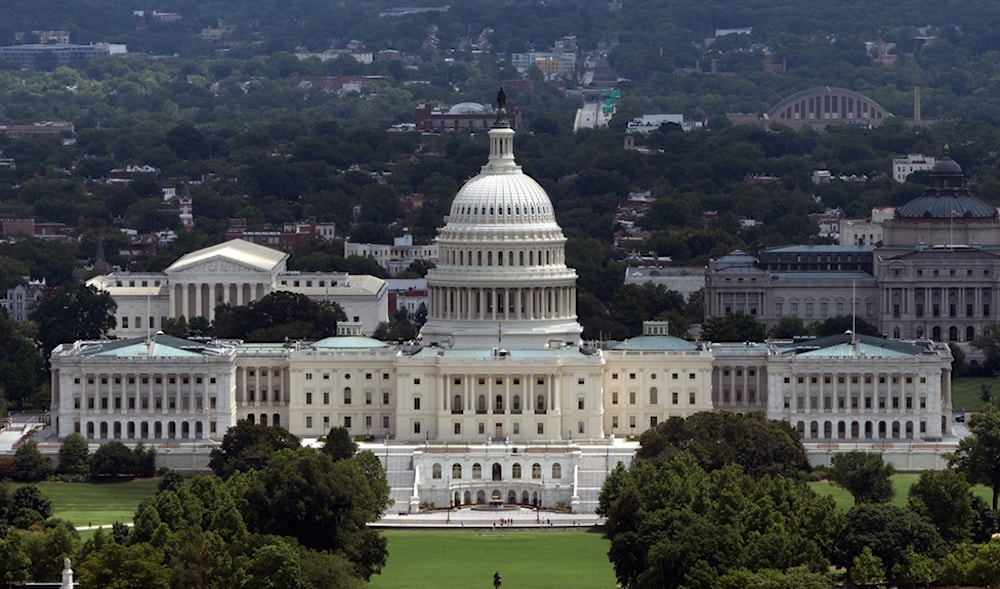
The Capitol is seen from the Washington Monument, on Friday, July 31, 2026, in Washington. (AP Photo/Mark Schiefelbein)
The US Senate voted 90-6 early Saturday to approve a stopgap spending bill that would keep the federal government funded through December 11, sending the measure to the House as lawmakers sought to remove the threat of a shutdown from the campaign trail ahead of the November midterm elections.
The bill is not yet law. The House passed its own continuing resolution on July 21 in a 220-205 vote, but that version funds the government only through December 4. The two chambers must now reconcile the mismatched dates and pass identical legislation before the government's funding lapses on September 30, or Washington risks a shutdown regardless of Saturday's vote.
The measure largely holds spending at current levels while carving out several exceptions. It blocks a proposed rule that would give senior political appointees a larger role in approving federal grants, according to the Associated Press (AP).
It also bars the administration from shifting funds from other programs toward Border Patrol operations, denies a White House request for one billion dollars to begin building a new class of battleships, and delays for one month a pending ban on intoxicating hemp products, a provision that had split Senate Republicans in the days before the vote.
The fight over grantmaking power
The grants provision addresses a rule the Office of Management and Budget proposed on May 29, which would require political appointees to sign off on discretionary grants before they are issued, reducing scientific peer-review panels to an advisory role.
The proposal, tied to an executive order President Trump signed last August, drew objections from research universities and scientific organizations during a public comment period that closed in July. Democrats treated blocking the rule as a central condition for supporting the stopgap bill.
Six senators opposed the bill: Republicans Bill Cassidy of Louisiana and Rand Paul of Kentucky, Democrats Ed Markey, Elizabeth Warren, and Tim Kaine, and independent Bernie Sanders.
Kaine has said he will not support government funding while the United States remains at war with Iran. Republican Lindsey Graham's sister and successor, Senator Darline Graham of South Carolina, voted present because the bill included a death benefit tied to her brother's estate.
The House returns from its August recess later this month and must approve matching legislation before the September 30 deadline. If it does, the reprieve only postpones the larger dispute.
Lawmakers would face a new funding fight in December, one that combines unfinished 2027 spending bills with the unresolved question of how much control the executive branch gains over federal grantmaking.


