
Vance pulls out of Iran talks after last-minute security issues
 3 Min Read
JD Vance is set to lead US-Iran talks in Islamabad as tensions escalate over Washington’s blockade-driven disruptions in the Strait of Hormuz.
-
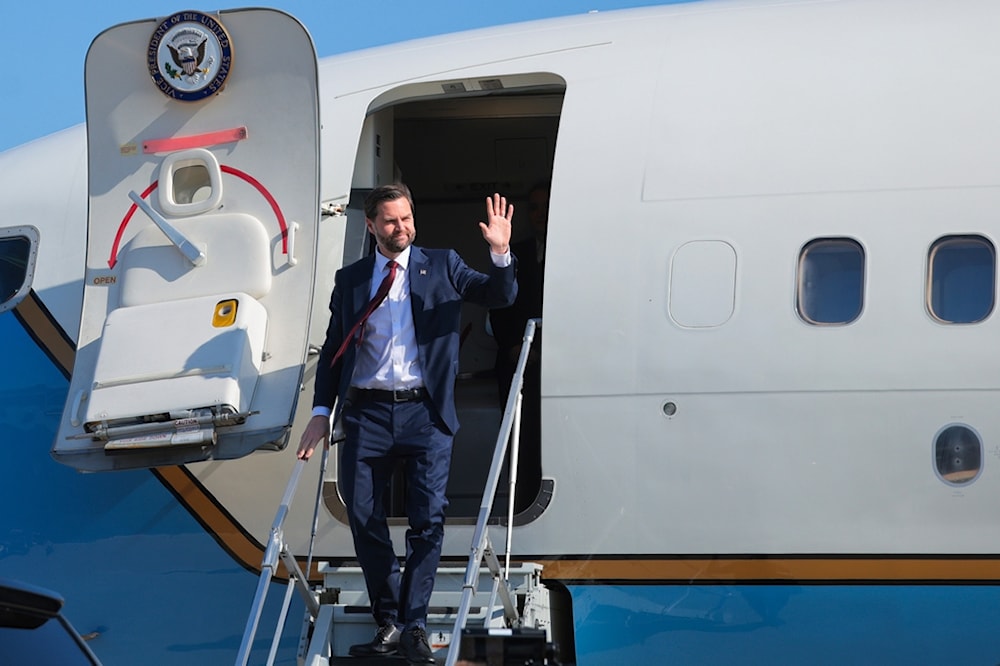
Vice President JD Vance waves after arriving on Air Force Two at Athens-Ben Epps Airport on April 14, 2026 in Athens, Ga. (Chip Somodevilla/Pool via AP)
US Vice President JD Vance will no longer head the American delegation in upcoming negotiations with Iran in Islamabad, despite earlier indications he would lead the talks.
"Mike Waltz tells me JD Vance will lead the American delegation to Islamabad for talks with Iran," ABC journalist Jonathan Karl said on X earlier, citing US Ambassador to the United Nations Mike Waltz.
However, Karl later reported that Vance would not attend. "President Trump just told me Vance will not be going to Islamabad. He said the issue is security; the Secret Service couldn’t do it on 24 hours' notice.
'It’s only because of security,' he told me. 'JD’s great.'"
President Trump just told me Vance will not be going to Islamabad. He said the issue is security — the Secret Service couldn’t do it on 24 hours notice.
— Jonathan Karl (@jonkarl) April 19, 2026
“It’s only because of security,” he told me. “JD’s great.” https://t.co/geDNJhN8p1
Blockade drives escalation
The alleged planned talks come at a critical moment, following weeks of US pressure that have destabilized the Strait of Hormuz and pushed the region closer to wider confrontation. Earlier on Sunday, US President Donald Trump accused Iran on Truth Social of violating a ceasefire while threatening sweeping attacks on the country’s infrastructure, even as Washington denied that its own naval blockade and interference with maritime traffic had breached the truce.
That blockade, announced by Trump on April 12 after negotiations failed, has been central to the escalation, with US forces intercepting vessels and restricting access to Iranian ports, effectively choking maritime trade.
The diplomatic push follows a rapid sequence of events that has exposed deep contradictions in Washington’s approach. Iran had agreed to reopen the Strait of Hormuz as part of a ceasefire understanding, signaling a willingness to de-escalate and ensure the continued flow of global energy supplies. However, the United States refused to lift its blockade, maintaining pressure even as it publicly claimed the waterway had been “reopened.”
Strait control
Despite US assertions, shipping remained disrupted, with vessels intercepted or forced to turn back under American enforcement measures. Faced with what it described as a ceasefire in name only, Tehran reversed its decision within a day, reimposing control over the Strait in response to what it has condemned as unlawful coercion and maritime aggression.
The contradiction became even more apparent after Trump declared he was “permanently opening” the Strait, even as US forces continued to restrict movement in practice. The move came amid international criticism, including from China, which warned that the US blockade was “dangerous and irresponsible” and threatened global energy stability.
Iran has consistently maintained that its actions are defensive, aimed at safeguarding its sovereignty and ensuring that its ports and shipping routes are not subjected to external coercion. Tehran has made clear that the Strait would remain open only if genuine freedom of navigation is respected, not under conditions of blockade.
Read more: Iran says no date set for next round of talks with US


