
Iranian advisor warns of imposing new regimes on other waterways
 3 Min Read
Iran's presidential advisor warns that a new maritime regime in the Strait of Hormuz could extend to other waterways if tensions persist.
-
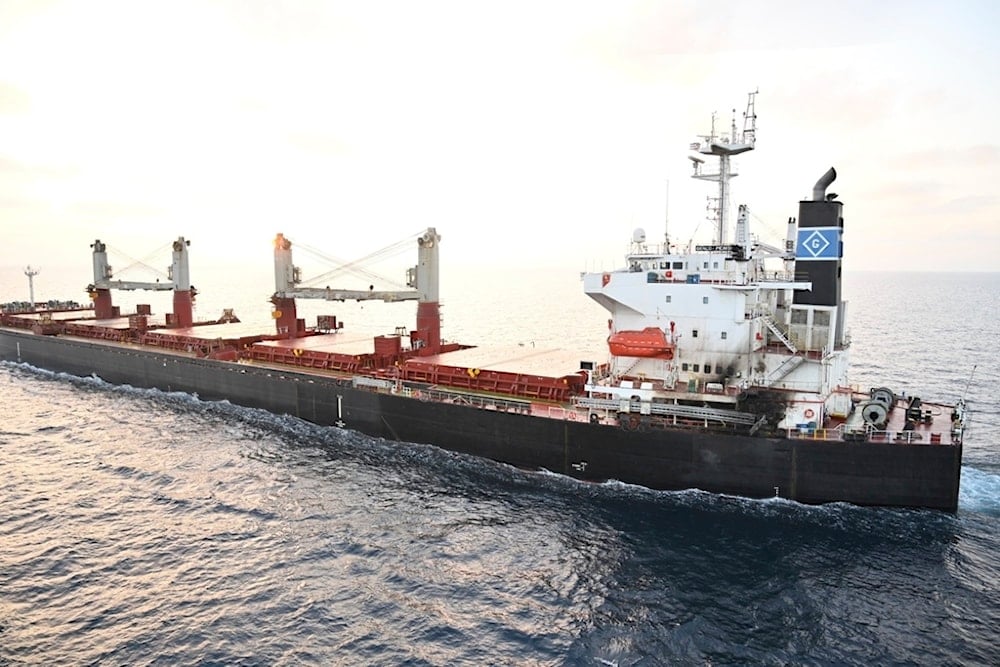
This photo provided by the Indian Navy shows the US-owned ship Genco Picardy that was fired at by the Yemeni Armed Forces after violating its embargo, on January 18, 2024 (Indian Navy via AP)
Developments around the Strait of Hormuz were the reason behind the emergence of a “new regime” governing strategic maritime corridors, a senior Iranian presidential official has warned, cautioning that similar shifts could extend to other waterways if tensions persist.
دشمنان ایران مرتکب اشتباه و جنایات بزرگی شدند، نظام جدیدی بر تنگه هرمز حاکم شد؛ تکرار کنند نظامات جدیدی بر آبراههای دیگر حاکم خواهد شد.
— سيد مهدي طباطبايي (@tabaei1356) April 19, 2026
کشورهای مختلف از این وضعیت نگران و ناراضیاند؟! علاج واقعه را قبل از وقوع کنند.
آب رفته به جوی بر نمیگردد...
In a post on X, the Deputy Director of Communications and Information at the Iranian President’s Office, Mahdi Tabatabaei, said that “enemies of Iran” had committed major mistakes and crimes, adding that a new maritime order had already taken shape in the Strait of Hormuz.
He stressed that any repetition of such confrontations could lead to further restructuring of control and regimes governing other key international waterways.
“Are different countries worried and dissatisfied with this situation?! They should find a remedy for the event before it happens,” he said, in reference to the global impact of US escalation in West Asia, which has affected energy prices and disrupted supply chains.
“Spilled water cannot be returned to the stream,” Tabatabaei concluded.
Read more: Asia will be hit hard by Trump's blockade on Iran: WaPo
Ghalibaf details ceasefire negotiations
In an interview for Iranian state television, Iran's Parliament Speaker and top negotiator Mohammad Bagher Ghalibaf criticized US President Donald Trump, calling him “a master of lying.”
Ghalibaf outlined progress in Pakistani-mediated negotiations with the US and Iran's vision, amid continued regional escalation.
He said that Iran used the strategic Strait of Hormuz as leverage during the war, explaining, “We said that if the ceasefire was not implemented, we would not continue negotiations and would start the war, and for that reason we closed the Strait of Hormuz.”
He warned that Tehran could take further action if US pressure continues.
“If the maritime blockade against us continues, we will continue closing the strait,” he said, adding that the waterway is now “under the control of the Islamic Republic of Iran.”
At the same time, he emphasized that Iran does not seek to disrupt global shipping indiscriminately.
“We believe all nations in the region and the world should benefit from the strait—we are not like the Americans,” he said, while insisting that Washington would not be allowed to “define a right for itself” in the passage.
With the Iran-US ceasefire expiring on Wednesday, ongoing diplomatic talks aim to extend the truce or establish a framework for a final deal.
Read more: Iran strategy of 'moody' Trump: Yelling, posts, and mixed signals


